


Maldives Tour Packages
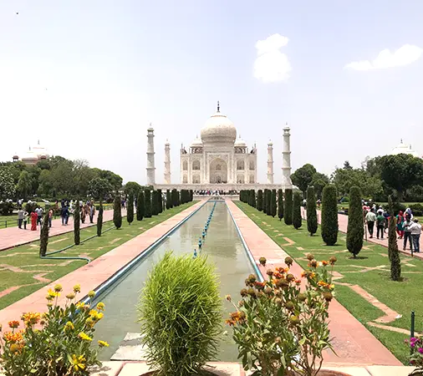
Destination
India and MaldivesDifficulty
Easy
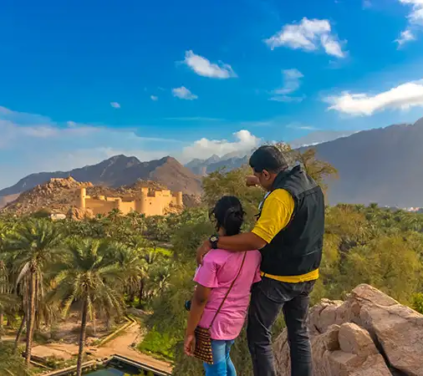
Destination
Difficulty
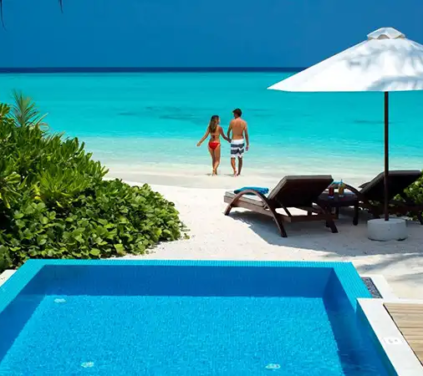
Destination
MaldivesDifficulty
Easy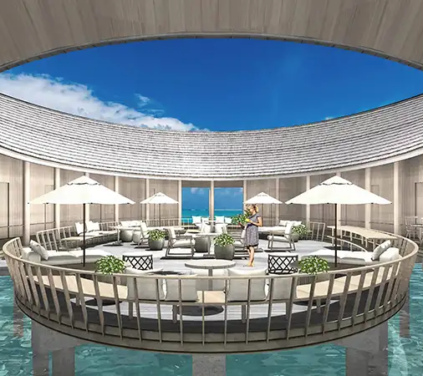
Destination
MaldivesDifficulty
Easy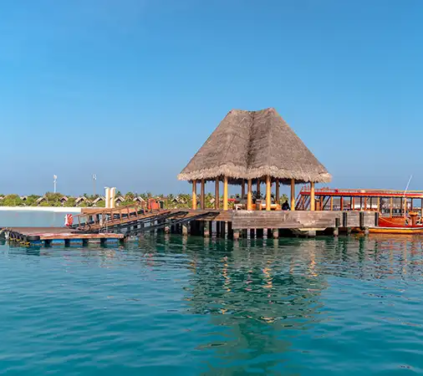
Destination
MaldivesDifficulty
Easy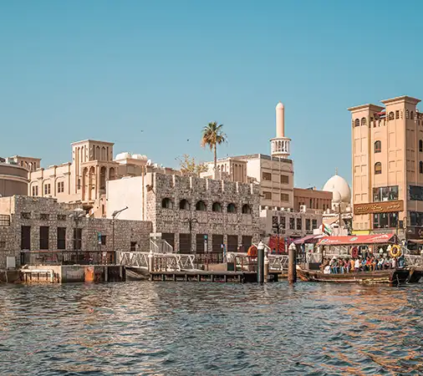
Destination
Dubai and MaldivesDifficulty
Easy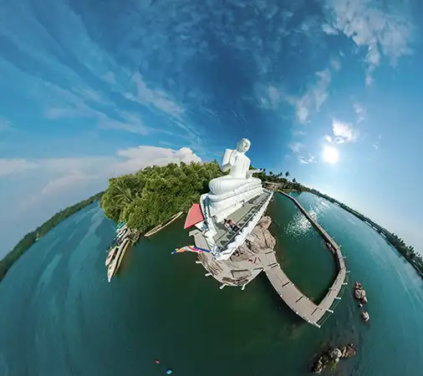
Destination
Sri Lanka and MaldivesDifficulty
EasyMaldives Tour Packages Travel Information
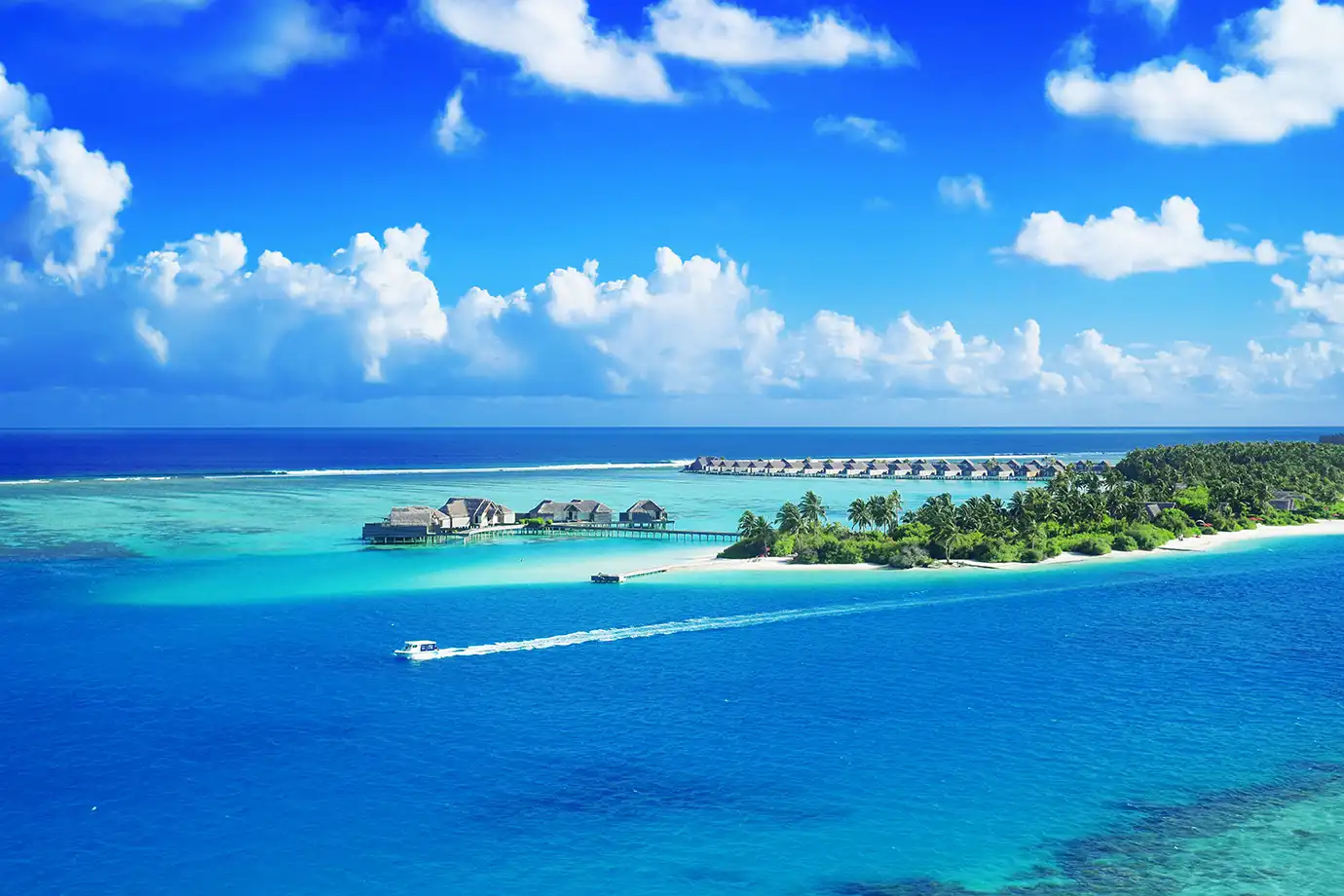
The Maldives is a chain of 1,192 coral islands spread across 26 atolls in the Indian Ocean, southwest of Sri Lanka. Roughly 200 islands are inhabited. Over 160 operate as private resort islands — each island holds one resort, and each resort occupies the entire island. The result is a level of privacy, exclusivity, and water access that no other tropical destination on earth can match.
White sand beaches surround every island. The lagoons are shallow, warm (27–30°C year-round), and so clear you can see the coral from your overwater villa deck. Reef sharks, manta rays, sea turtles, and thousands of tropical fish species live in the house reefs that ring most resort islands. The diving and snorkeling are among the best in the world.
Peregrine operates Maldives tour packages across the full spectrum — from luxury honeymoon escapes and family resort holidays to diving-focused itineraries, wellness retreats, and multi-destination combos pairing the Maldives with Dubai or Sri Lanka. Every package includes international flights from Kathmandu or your home city, resort transfers (speedboat or seaplane), and accommodation with meal plans tailored to your budget and style.
The Maldives works for almost every type of traveler. Honeymooners want private overwater villas with glass floors and sunset decks. Families want kids’ clubs, shallow lagoons, and water sports. Divers want channel drifts with hammerhead sharks. Wellness travelers want overwater spa treatments and yoga pavilions. The destination accommodates all of them — on different islands, at different price points, with different atmospheres.
Quick Facts
Why Visit the Maldives?
The Maldives offers a combination of natural beauty, marine biodiversity, and luxury hospitality infrastructure that no other Indian Ocean destination matches. Several specific qualities set it apart.
One Island, One Resort
Every Maldivian resort occupies its own private island. No shared beaches. No neighboring hotels. No public access roads. The entire island — beach, lagoon, reef, vegetation — belongs to the resort and its guests. The privacy model is unique globally.
Overwater Villas
The Maldives popularized the overwater villa concept. Your room sits on stilts above a turquoise lagoon. Glass floor panels reveal reef fish swimming beneath your feet. A private deck drops directly into the water. Sunrise villas face east. Sunset villas face west. The view in both directions is an unbroken ocean horizon.
Marine Life
The Maldives sits on one of the world’s richest coral reef systems. Over 2,000 species of reef fish, 187 species of coral, and large pelagic marine life — whale sharks, manta rays, hammerhead sharks, sea turtles, dolphins, and eagle rays — live in the atolls year-round.
Most resort islands have a “house reef” — a coral reef within swimming distance of the beach. You snorkel directly from your villa or beach without needing a boat trip. The accessibility of world-class snorkeling is one of the Maldives’ strongest selling points for non-divers.
Year-Round Warm Weather
The Maldives lies near the equator (between 1°N and 1°S). Air temperatures remain steady at 28–32°C year-round. Water temperatures range from 27–30°C. The sun sets between 5:45 PM and 6:15 PM every day. There is no winter, no cold season, and no month when swimming or water sports are uncomfortable.
Maldives Tour Packages We Offer
Peregrine designs and operates Maldives packages across multiple travel styles. Each package is customizable by resort, duration, meal plan, and transfer type.
Maldives Honeymoon Package
Private overwater villas with sunset views. Floating breakfast. Couples spa treatments. Private sandbank dinners under starlight. Sunset dolphin cruises. The signature Maldives romantic experience. Duration: 4–7 nights.
Luxury Maldives Package
5-star resort islands with butler service, private pools, fine dining restaurants, and seaplane transfers. Designed for travelers who want the highest tier of Maldivian hospitality. Duration: 5–10 nights.
Family Maldives Package
Resorts with kids’ clubs, family villas (connecting rooms or two-bedroom units), shallow lagoons safe for young children, water sports, and marine biology programs. Duration: 5–7 nights.
Maldives with Dubai Combo
Split your trip between the Maldives (beach and relaxation) and Dubai (city, shopping, desert safari). A 4-hour direct flight connects the two destinations. Duration: 8–12 days total.
Maldives and Sri Lanka Tour
Combine Maldivian beach time with Sri Lanka’s cultural triangle (Sigiriya, Kandy, Galle), tea plantations, and wildlife safaris. The two destinations connect via Colombo — a 1.5-hour flight. Duration: 10–14 days total.
Maldives Diving Holiday
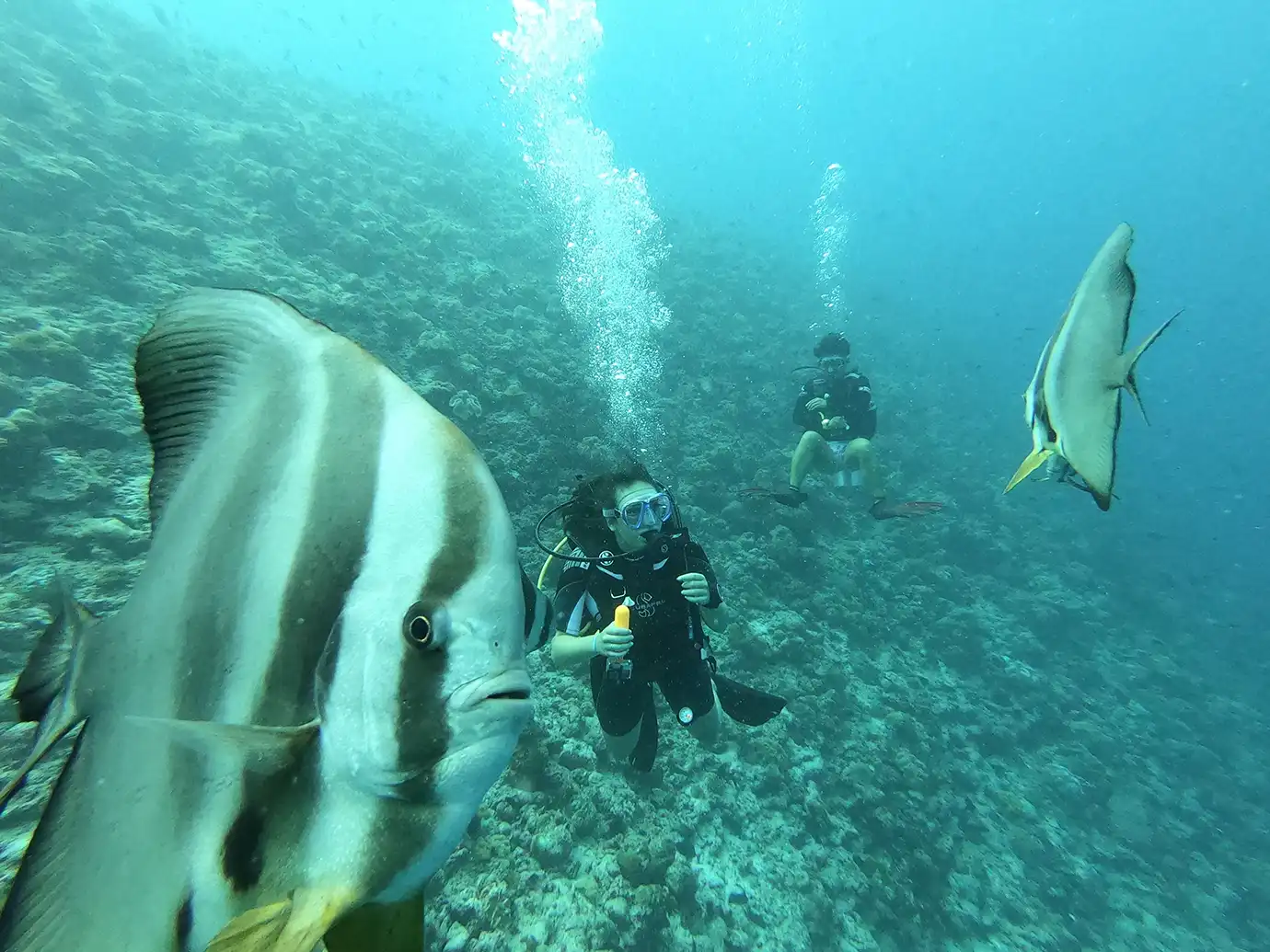
Resort islands with professional PADI dive centers, channel drift dives, night dives, and access to whale shark and manta ray aggregation sites. Best atolls for diving: South Ari, Baa, Vaavu, and North Malé. Duration: 5–10 nights.
Maldives Wellness Retreat
Overwater spas, yoga pavilions, Ayurvedic treatments, detox programs, and meditation sessions. Wellness-focused resorts like COMO Maalifushi and Joali Being specialize in multi-day programs. Duration: 5–7 nights.
Maldives Island Hopping Tour
Visit 2–3 different islands — combining a luxury resort with a local island guesthouse for cultural contrast. Experience both the resort bubble and Maldivian village life. Duration: 7–10 days.
Budget Maldives Holiday
Local island guesthouses on inhabited islands (Maafushi, Thulusdhoo, Dhigurah). Clean rooms, local restaurants, and excursion-based snorkeling and diving. The Maldives at a fraction of resort pricing. Duration: 4–7 nights.
Contact Peregrine at sales@peregrinetreks.com for pricing, resort selection, and availability on any package.
Best Maldives Resorts by Category
Ultra-Luxury Resorts
Soneva Jani (Noonu Atoll) — overwater villas with retractable roofs for stargazing from bed. Private water slides from villa decks into the lagoon. Cinema Paradiso outdoor movie theater. One of the most photographed resorts in the Maldives.
Joali Maldives (Raa Atoll) — an art-immersive luxury resort with curated installations by international artists throughout the island. Overwater and beach villas with private pools. Four restaurants. A dedicated kids’ concept island (Joali Being wellness island sits nearby).
Waldorf Astoria Maldives (South Malé Atoll) — the Hilton portfolio’s flagship Maldives property. Overwater villas with infinity pools. Three restaurants. The Waldorf Astoria Spa has overwater treatment rooms.
The Ritz-Carlton Maldives (Fari Islands, North Malé Atoll) — part of the Fari Islands marina village concept. Overwater and beach villas with private pools. A shared Beach Club with live DJ sessions. Access to the Ritz-Carlton Yacht Collection for multi-island sailing.
Luxury Resorts (Strong Value)
Baros Maldives (North Malé Atoll) — one of the original Maldives luxury resorts, operating since 1973. A small island with 75 villas. Exceptional house reef for snorkeling. A 25-minute speedboat from Malé — no seaplane needed. Strong value within the luxury tier.
Milaidhoo (Baa Atoll) — a boutique 50-villa island in the UNESCO Biosphere Reserve. Known for outstanding food (three restaurants) and an “island of no shoes” philosophy. Adults-only during peak season.
Anantara Kihavah (Baa Atoll) — features the only overwater astronomical observatory in the Maldives. SEA underwater restaurant. Four Seasons-level service. Located within the Baa Atoll UNESCO Biosphere Reserve near Hanifaru Bay (the world’s largest known manta ray aggregation site).
Family-Friendly Resorts
Niyama Private Islands (Dhaalu Atoll) — two linked islands: Play (family-oriented) and Chill (adults-oriented). Kids’ club with marine biology programs. Family-sized villas. Subsix — an underwater nightclub and restaurant.
Kandima Maldives (Dhaalu Atoll) — the largest resort in the Maldives by room count. A long island with extensive facilities: kids’ club, teen zone, football pitch, tennis courts, water sports center, dive center, and 10 restaurants. Strong family values.
Finolhu (Baa Atoll) — a retro-beach-club-style resort. 1OAK Beach Club with live DJs. Family villas with direct beach access. Bubble tent for private overwater dining—a more playful, social atmosphere than traditional quiet luxury.
Best All-Inclusive Resorts
Constance Moofushi (South Ari Atoll) — one of the best all-inclusive programs in the Maldives. Premium spirits, fine wines, and multi-restaurant dining are all covered. The house reef is one of the strongest in the country for snorkeling. Whale shark excursions depart from the island.
Lily Beach (South Ari Atoll) — the Platinum All-Inclusive plan covers premium alcohol, all restaurants, excursions, and water sports. A strong value proposition for travelers who want predictable costs with no surprise bills.
Best Atolls in the Maldives
North Malé Atoll
The closest atoll to the airport. Most resorts are 15–45 minutes by speedboat from Velana International Airport. No seaplane needed. Best for short stays and travelers who want to minimize transfer time. Resorts: Baros, One&Only Reethi Rah, Bandos, Kurumba.
South Malé Atoll
Strong diving atoll with channel drifts and reliable shark sightings. 30–60 minutes by speedboat from the airport. Resorts: Waldorf Astoria, Anantara Dhigu, COMO Cocoa Island.
Baa Atoll (UNESCO Biosphere Reserve)
The only UNESCO Biosphere Reserve in the Maldives. Home to Hanifaru Bay — the world’s largest known feeding aggregation site for manta rays (June–November, peak August–October). Resorts: Milaidhoo, Anantara Kihavah, Soneva Fushi, Finolhu. Transfer: 30-minute seaplane from Malé.
South Ari Atoll
The best atoll for whale shark encounters. Whale sharks are present year-round, with the highest sighting rates between November and May. Resorts: Constance Moofushi, Lily Beach, LUX South Ari. Transfer: 25-minute seaplane.
Raa Atoll
A quieter, less-developed atoll with fewer resorts and strong marine life. Resorts: Joali Maldives, Emerald Maldives. Transfer: 40-minute seaplane.
Noonu Atoll
Remote and exclusive. Home to Soneva Jani — one of the most prestigious resort addresses in the Maldives. Fewer boats, quieter reefs. Transfer: 40-minute seaplane.
Best Things to Do in the Maldives
Snorkeling
The easiest and most accessible marine activity. Most resort islands have a house reef within 20–50 meters of the beach. You swim from shore, drop your face in the water, and see coral, reef fish, small sharks, and turtles immediately—no boat, no guide, no certification needed.
Scuba Diving
Over 200 dive sites across the atolls. Channel drifts, thilas (submerged pinnacles), coral walls, and cleaning stations attract large pelagic species. PADI certification courses are available at every resort dive center — from beginner Open Water to advanced specialties. Water temperature (27–30°C) means thin wetsuits or rash guards are sufficient year-round.
Whale Shark Excursions
South Ari Atoll is the world’s most reliable destination for whale shark encounters. Local guides track whale shark movements daily. Excursions depart from resort dive centers and run 2–3 hours. You snorkel — not dive — alongside the sharks—no certification needed. Sighting success rates exceed 90% in peak season (November–May).
Manta Ray Encounters
Baa Atoll’s Hanifaru Bay is the world’s largest known manta ray feeding aggregation site. During the southwest monsoon (June–November), hundreds of manta rays gather in the bay to feed on plankton. Peak months: August–October. Access is regulated — only snorkeling (no diving) is permitted, and visitor numbers are limited per day.
Sunset Dolphin Cruise
A 90-minute boat ride at sunset through open ocean. Spinner dolphins — pods of 50–200 — leap and spin beside the boat. Sighting rates are high (80%+) year-round. Most resorts offer the cruise 3–4 times per week.
Private Sandbank Picnic
Your resort arranges a private picnic on an uninhabited sandbank — a tiny strip of white sand in the middle of the ocean. A table, champagne, a chef-prepared lunch, and snorkeling gear are delivered by boat. You have the sandbank to yourself for 2–4 hours.—the most photogenic activity in the Maldives.
Overwater Spa
Many resorts operate spa pavilions built over the lagoon. Treatment rooms have glass floors. The sound of the ocean replaces background music. Treatments draw from Ayurvedic, Balinese, and Thai traditions. CoCouples ‘ treatments are the most popular booking.
Maldives for Honeymoons
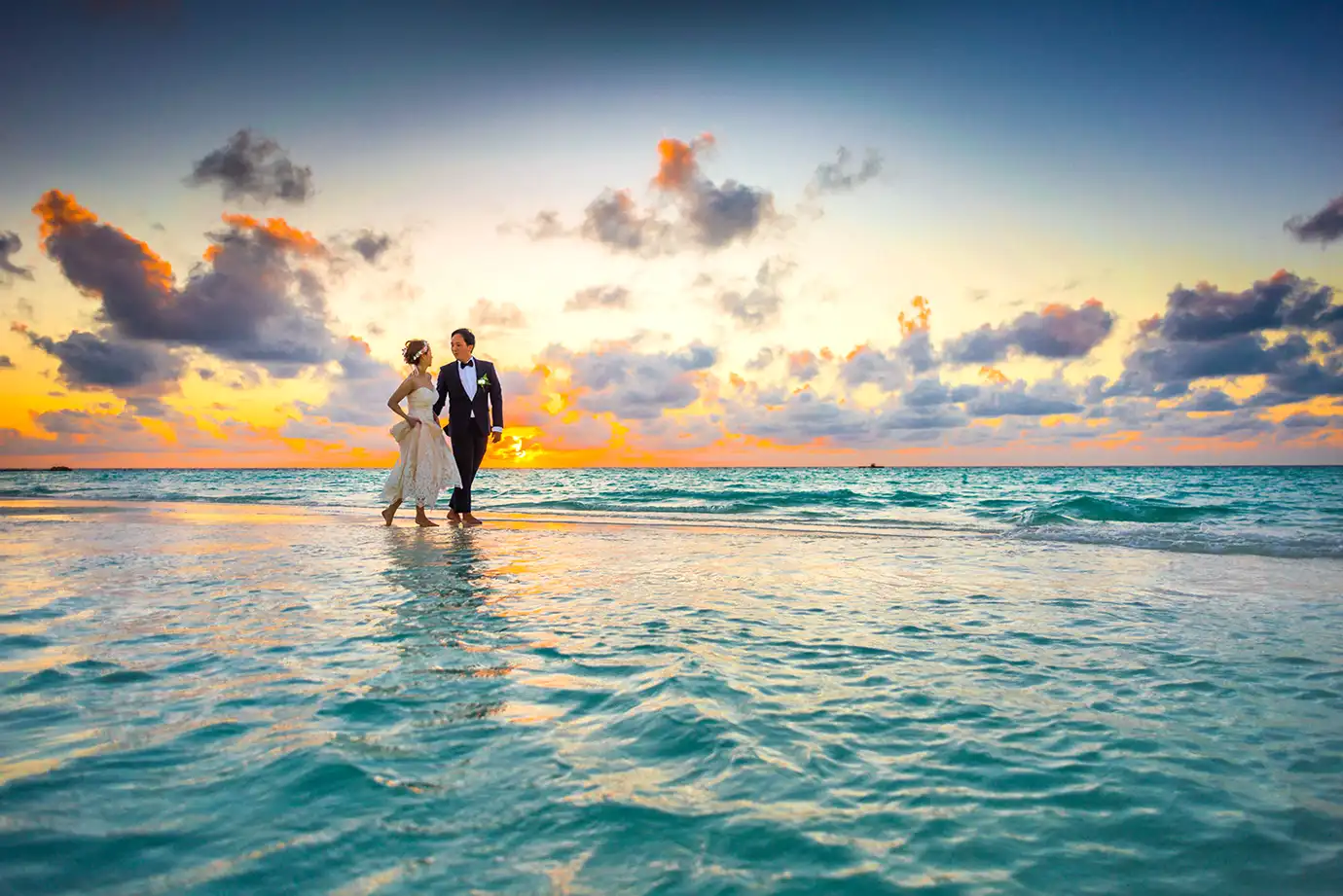
The Maldives consistently ranks among the world’s top honeymoon destinations. The combination of private villas, warm water, romantic dining, and total seclusion creates a setting that few other destinations match.
What Makes It Special for Couples
Overwater villas with private pools. Your villa sits above the lagoon with a private infinity pool, a sun deck, and direct ladder access to the water. Glass floor panels let you watch fish from inside the villa.
Floating breakfast. A tray of tropical fruits, pastries, eggs, and juice is delivered to your villa pool on a woven basket. The tray floats in the pool while you eat from the water. The Maldives invented this concept.
Private dining. A table set on the beach under the stars. Candles in the sand. A private chef prepares a multi-course meal. Your server disappears between courses. Some resorts offer underwater restaurant dining tables inside a glass structure on the reef.
Couples spa. Side-by-side overwater treatment rooms. Champagne before the massage. Hot stone, Balinese, or Ayurvedic options. Post-treatment relaxation in a private infinity pool.
Sunset cruises. A private dhoni (traditional Maldivian sailing boat) takes you into open water for sunset. Champagne, canapes, dolphins, and a sky that shifts from blue to orange to purple over 45 minutes.
Maldives for Families
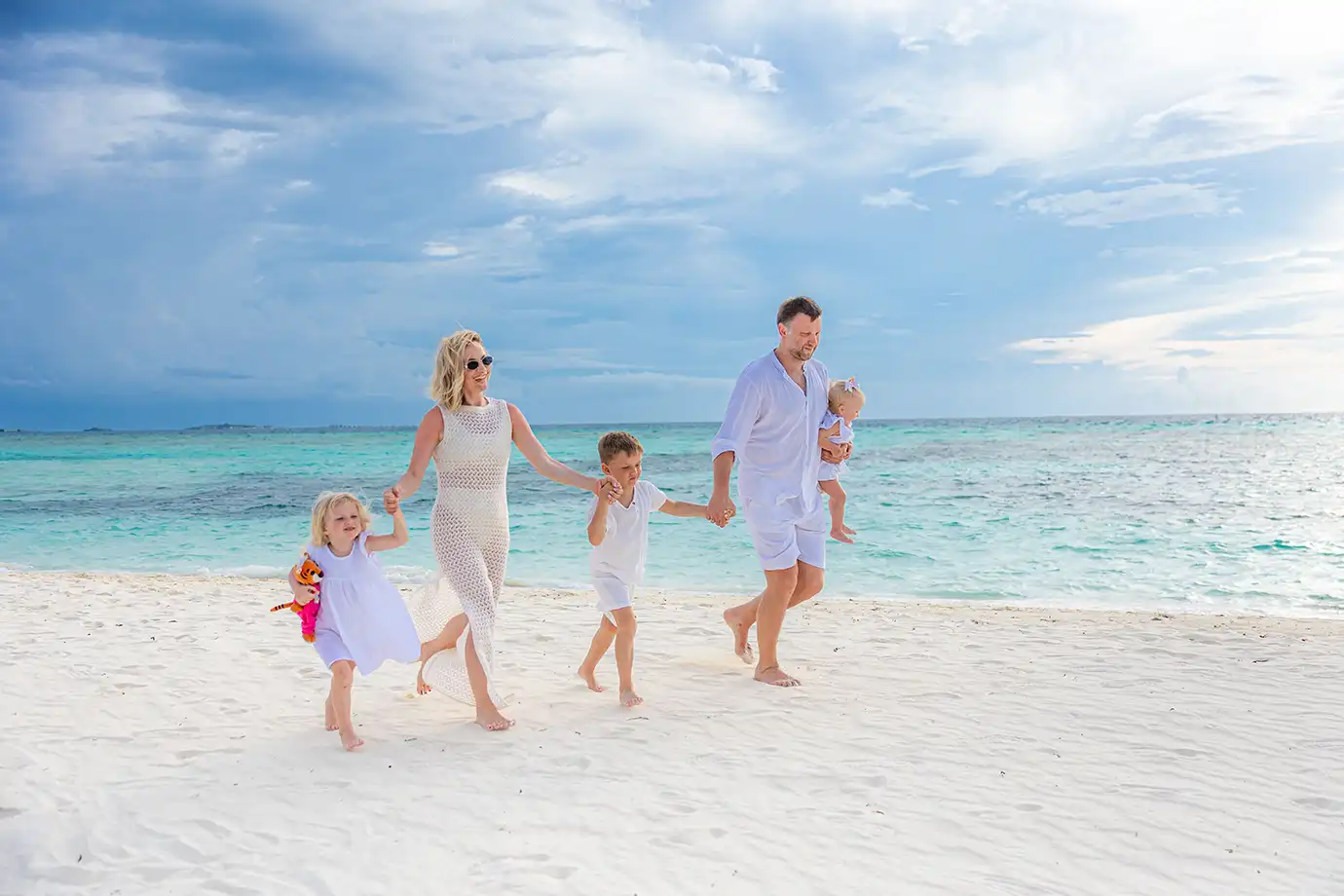
The Maldives works for families with children of all ages — but resort selection matters. Not all resorts welcome children. Several are adults-only or restrict children during peak season.
What to Look For in a Family Resort
Kids’ clubs. Dedicated supervised programs for children aged 4–12. Activities include marine biology lessons, beach games, cooking classes, and craft workshops. The best kids’ clubs (Soneva, Niyama, Kandima) run full-day programs.
Family villas. Two-bedroom villas, connecting rooms, or beach bungalows with separate living areas. Overwater villas with young children require caution — the open decks and direct water access are not suitable for toddlers unless the villa has fencing.
Shallow lagoons. The safest swimming for young children. Resorts on large, shallow lagoons (Kanuhura, Cocoon, Sun Siyam Iru Fushi) allow children to wade and swim in knee-deep warm water with no current.
Water sports. Kayaking, paddle boarding, glass-bottom boat rides, and guided snorkeling for older children (8+). Some resorts offer junior PADI dive courses for children aged 10+.
Maldives for Divers
The Maldives is one of the world’s top five diving destinations. The atoll structure creates natural channels between islands where currents concentrate marine life. The warm water, high visibility (15–40 m depending on season), and abundance of large pelagic species make it exceptional.
Best Dive Experiences
Channel drift dives. Currents pull you through deep channels between islands. Grey reef sharks, white-tip reef sharks, eagle rays, and large schools of trevally and barracuda patrol the channels.
Manta ray cleaning stations. Submerged coral platforms where manta rays hover while small cleaner fish remove parasites. You float motionless at the station and watch mantas circle directly above you.
Whale shark snorkeling (South Ari). The world’s most reliable whale shark encounters. Snorkel alongside the largest fish in the ocean — adults reach 8–12 meters—year-round, peak November–May.
Hanifaru Bay manta feeding (Baa Atoll). Hundreds of manta rays and whale sharks gather in a small bay to feed on plankton concentrations. Snorkeling only — no diving permitted. Peak August–October.
Best Dive Season
Both monsoon seasons offer good diving — just different conditions. The northeast monsoon (November–April) brings calmer seas and better visibility (25–40 m) on the eastern sides of atolls. The southwest monsoon (May–October) brings manta ray aggregations, plankton-rich waters, and stronger currents, as noted by experienced divers.
When Is the Best Time to Visit the Maldives?
The Maldives sits on the equator. Weather follows two monsoon seasons rather than traditional summer/winter patterns.
Dry Season (November–April)
The northeast monsoon brings dry, sunny weather with calm seas. Rainfall is minimal. Humidity drops. The ocean is flat and clear — visibility for diving and snorkeling peaks at 25–40 m. The dry season is the peak tourist season. Resort rates are highest from December through March.
Wet Season (May–October)
The southwest monsoon brings intermittent rain, higher humidity, and rougher seas on the western atoll edges. Rain typically falls in short, intense bursts — not all-day downpours. Several hours of sunshine are common even on “rainy” days. The wet season brings lower resort rates, fewer guests, and the best manta ray season in Baa Atoll (June–November).
Maldives Resorts vs Local Island Guesthouses
Two fundamentally different Maldives experiences exist — the private resort island and the local island guesthouse. The choice affects your budget, privacy, cultural exposure, and activity options.
Both options are valid. Many travelers combine a few nights at a resort with a few nights on a local island (Maafushi, Thulusdhoo, or Dhigurah) for contrast.
How to Reach the Maldives
International Flights
Velana International Airport (MLE) on Hulhulé island (next to Malé) is the Maldives’ only international airport. Direct flights connect from Colombo (1.5 hours), Delhi (4.5 hours), Dubai (4 hours), Singapore (4.5 hours), Kuala Lumpur (4.5 hours), Istanbul (8.5 hours), and London (10.5 hours).
From Kathmandu, the most common routing is via Colombo (Sri Lanka) or Delhi. Total travel time is 6–8 hours, including the connection.
Resort Transfers
Speedboat. Resorts in North and South Malé Atoll are 15–60 minutes by speedboat from the airport. Speedboats operate day and night—the most convenient and affordable transfer option.
Seaplane. Resorts in outer atolls (Baa, Ari, Noonu, Raa, Lhaviyani) require a 25–45 minute seaplane transfer. Seaplanes operate only during daylight hours (roughly 6:00 AM to 4:00 PM). If your international flight arrives after 3:00 PM, you will need an overnight in Malé or on Hulhulé before the seaplane transfer the next morning.
Domestic flight + speedboat. Some southern atolls (Dhaalu, Laamu, Addu) are reached via a domestic flight to a regional airport, followed by a speedboat transfer to the resort.
Visa and Entry Requirements
The Maldives offers one of the simplest entry systems in the world. All nationalities receive a free 30-day visa on arrival: no advance application, no fee, no online form.
Required documents for immigration:
- Valid passport with at least 6 months remaining
- Confirmed return or onward flight ticket
- Hotel or resort booking confirmation
- Sufficient funds for the duration of stay (credit card accepted as proof)
Travelers are advised to check the latest entry requirements with the Maldives Immigration website before departure, as regulations may change.
Maldives Travel Tips
Currency. The Maldivian Rufiyaa (MVR) is the local currency. US dollars are accepted at all resorts. Local islands use MVR. Credit cards work everywhere on resort islands. Carry cash (USD or MVR) for local island stays and tips.
Alcohol. Alcohol is available at all resort islands but prohibited on inhabited local islands (the Maldives is a Muslim country). If staying on a local island, you will not have access to alcohol.
Dress code. Swimwear is appropriate everywhere on resort islands. On inhabited local islands, modest dress (covering shoulders and knees) is expected in villages and public areas. Designated “bikini beaches” on local islands allow swimwear.
Tipping. Most resorts add a 10% service charge to all bills. Additional tipping is optional but appreciated for exceptional service. Budget USD 5–10 per day for room attendants, boat crews, and dive guides if you wish to tip beyond the service charge.
Sun protection. The equatorial sun is intense year-round. SPF 50 sunscreen (reef-safe if possible), UV sunglasses, and a wide-brim hat are essential. Sunburn happens faster here than in temperate latitudes.
Marine conservation. Do not touch, stand on, or break coral. Do not chase, touch, or ride marine animals. Use reef-safe sunscreen. Follow all instructions from dive and snorkel guides. The Maldives’ tourism economy depends on healthy reefs.
Sustainable Tourism in the Maldives
The Maldives faces direct consequences from rising sea levels — the average elevation is just 1.5 meters above sea level. Sustainable tourism practices protect both the marine environment and the long-term viability of the islands.
Coral conservation. Many resorts operate coral propagation programs — growing coral fragments on underwater frames and transplanting them to degraded reef areas. Guests can participate in coral planting activities.
Plastic reduction. Leading resorts have eliminated single-use plastic bottles, replacing them with glass bottles and on-site water filtration. Bring a reusable water bottle.
Marine protection. Responsible snorkeling and diving practices — no touching coral, maintaining distance from marine animals, no flash photography underwater — protect the reef system that supports both marine life and tourism.
Eco-resorts. Properties like Soneva Fushi, Six Senses Laamu, and Gili Lankanfushi operate comprehensive sustainability programs: solar power generation, waste-to-energy systems, organic gardens, marine biology research stations, and glass recycling workshops.
Sample Itineraries
5-Day Honeymoon Escape
Day 1: Arrive Malé, speedboat or seaplane to resort, check in, sunset champagne on the deck. Day 2: Floating breakfast, couples spa, private sandbank picnic lunch. Day 3: Snorkeling excursion to outer reef, sunset dolphin cruise. Day 4: Leisure day — kayaking, paddle boarding, underwater restaurant dinner. Day 5: Sunrise swim, departure transfer.
7-Day Family Holiday
Day 1: Arrive, settle in, beach exploration. Day 2: Kids’ club in the morning, family snorkeling in the afternoon. Day 3: Glass-bottom boat ride, water sports. Day 4: Island hopping excursion to a local island. Day 5: Diving lesson (parents) or marine biology program (kids). Day 6: Fishing trip, sunset cruise. Day 7: Departure.
10-Day Maldives and Sri Lanka Combo
Days 1–3: Colombo arrival, Sigiriya rock fortress, Kandy (Temple of the Tooth, tea plantations). Days 4–5: Galle (Dutch colonial fort, beaches). Day 6: Fly from Colombo to Malé, then seaplane to the resort. Days 7–9: Resort time — snorkeling, diving, spa, sunset cruises. Day 10: Departure from Malé.
Booking and Cancellation
How to Reserve
Contact Peregrine Treks at sales@peregrinetreks.com or through the booking form on peregrinetreks.com. We confirm resort availability and build your package (flights, transfers, meal plan, activities) within 48 hours.
A 30% deposit secures your resort dates. The remaining balance is due 45 days before departure.
Cancellation Policy
- Cancellations made 45 days or more before departure: full deposit refund minus any non-refundable resort or flight deposits.
- Cancellations made 21 to 44 days before departure: 50% ofthe total package cost refunded.
- Cancellations made fewer than 21 days before departure: no refund — resort bookings and flight tickets are non-recoverable
Travel insurance covering trip cancellation is strongly recommended, particularly for peak-season bookings (December–March).
Ready to Plan Your Maldives Holiday?
Contact Peregrine Treks and Tours: sales@peregrinetreks.com
Visit peregrinetreks.com to view the full package options and start the booking process.
Frequently Asked Questions
Is the Maldives expensive?
The Maldives offers a wide range of prices. Ultra-luxury resorts with overwater villas and private pools sit at the top end. Mid-range resorts and all-inclusive packages offer strong value. Local island guesthouses make the Maldives accessible on a modest budget. The key cost variable is resort selection — not the destination itself.
How many days should I stay?
Five to seven nights is the standard range. Five nights provide enough time for relaxation, snorkeling, and one or two excursions. Seven nights allow a more relaxed pace with diving, spa, and island exploration. Honeymoon travelers typically book 5–7 nights. Family holidays work well at 6–8 nights.
What is the best month to visit?
February and March offer the best combination of dry weather, calm seas, and clear visibility. January and November are close seconds. July through September are the wettest months, but also the best for manta ray encounters in Baa Atoll and the lowest resort rates of the year.
Do I need a visa?
No advance visa needed. All nationalities receive a free 30-day visa on arrival with a valid passport, confirmed return ticket, and hotel booking confirmation. No forms, no fees.
Can I visit the Maldives with children?
Yes. Many resorts welcome families with children of all ages and offer kids’ clubs, family villas, and child-friendly activities. Choose your resort carefully — some are adults-only, and overwater villas with open decks require supervision with young children. Shallow-lagoon resorts are safest for families with toddlers.
Can I drink alcohol in the Maldives?
Yes — on resort islands. All resorts serve alcohol. On inhabited local islands, alcohol is not available — the Maldives is a Muslim country, and alcohol is prohibited outside resort premises.
What is an overwater villa?
A private room built on stilts above the lagoon. The villa sits over the water,r with a private deck, direct lagoon access via a ladder or steps into the water, and often a glass floor panel. Premium overwater villas add private infinity pools, outdoor bathtubs, and butler service. The overwater villa is the signature accommodation type in the Maldives. Are there medical facilities on resort islands?
Most large resorts have an on-site clinic with a resident doctor or nurse. Serious medical emergencies are evacuated to Malé (ADK Hospital or Indira Gandhi Memorial Hospital) by speedboat or seaplane. Travel insurance covering medical evacuation is essential.
Can I combine the Maldives with Dubai or Sri Lanka?
Yes. The Maldives connects directly to Dubai (4-hour flight) and Colombo, Sri Lanka (1.5-hour flight). Peregrine offers combo packages pairing 4–5 nights in the Maldives with 3–5 days in Dubai or 5–7 days in Sri Lanka. The multi-destination format is one of the most popular booking styles.
Is the Maldives safe?
Yes. The Maldives is one of the safest tourist destinations in the world. Resort islands are private and gated. Crime against tourists is virtually nonexistent. The main safety considerations are marine-related — follow snorkeling and diving guidelines, wear reef shoes on coral beaches, and use sunscreen to prevent severe sunburn.
What marine animals can I see?
The standard Maldives marine list includes: reef sharks (black-tip, white-tip), sea turtles (green and hawksbill), manta rays, eagle rays, stingrays, dolphins (spinner and bottlenose), moray eels, octopus, thousands of tropical reef fish species, and — in South Ari Atoll — whale sharks year-round. Hammerhead sharks appear in deeper channel dives during the northeast monsoon.
Do resorts provide airport transfers?
Yes. Every resort arranges airport transfers — either speedboat, seaplane, or domestic flight + speedboat. The transfer is typically included in your package. Confirm the transfer type and timing when you book — seaplane transfers operate only during daylight hours.