


The Pekoe Trail turns Sri Lanka’s tea country into a walking route. Instead of only seeing the hills from a train window, travelers walk between estates, villages, forests, and viewpoints across the Central Highlands, at a pace that lets the place sink in. The trail runs over 300 kilometers through 22 stages, from the hills above Kandy to the highland estates near Nuwara Eliya, passing through Hatton, Haputale, and Ella along the way. Travelers do not need to walk every stage. Most visitors choose a handful of the best sections and build a 3- to 10-day walking holiday around them.
Use this Pekoe Trail guide to choose the right stages, plan your days, understand the difficulty, pick the right hotels, and pack well. The article covers everything from a single-day hike to a full luxury walking tour with luggage transfers and boutique stays.
Quick Answer: What Is the Pekoe Trail?
The Pekoe Trail is a 300-kilometer, 22-stage continuous walking route that cuts across Sri Lanka’s Central Highlands from Kandy to Nuwara Eliya. It links tea estates, hill towns, cloud forests, viewpoints, and plantation villages along the way.
Most stages take 3 to 6 hours of actual walking time, not including rest stops, tea breaks, or encounters with villages. Difficulty ranges from easy to demanding, depending on distance, elevation gain, weather, and trail surface. First-time visitors do best with selected stages, private guiding, luggage transfers, and comfortable tea-country stays.
The full trail is over 300 kilometers, but few travelers walk every stage. Selected high-quality sections, especially around Hatton, Haputale, and Ella, often create a better experience than a rushed end-to-end march. A five-day walking trip through the best stages, with luggage transfers and a tea bungalow as your evening base, delivers more pleasure than three weeks of grinding through every kilometer. Always check the current route status before walking, because trail access and conditions can change.
Pekoe Trail Guide at a Glance
| Topic | Practical Answer |
|---|---|
| Route type | Long-distance walking trail through Sri Lanka’s tea country |
| Distance | 300+ km across the Central Highlands |
| Stages | 22 stages |
| Best short trip | 3 to 5 selected walking days |
| Best luxury trip | 7 to 10 days with guide, luggage transfer, and boutique stays |
| Best areas | Kandy, Hatton, Haputale, Ella, Nuwara Eliya |
| Difficulty | Easy to difficult, depending on the stage |
| Accommodation | Hotels, guesthouses, tea bungalows, and boutique lodges |
| Best for | Tea country, culture, slow travel, soft adventure, photography |
| Key planning rule | Check the current trail status before walking |
What Is the Pekoe Trail?
Why the Trail Was Created
The Pekoe Trail gives Sri Lanka a true long-distance walking identity. Before the trail, most travelers saw the hill country by road or rail. The Pekoe Trail changes the pace, letting walkers move through the same tea fields, estate roads, old railway towns, and forest edges at ground level.
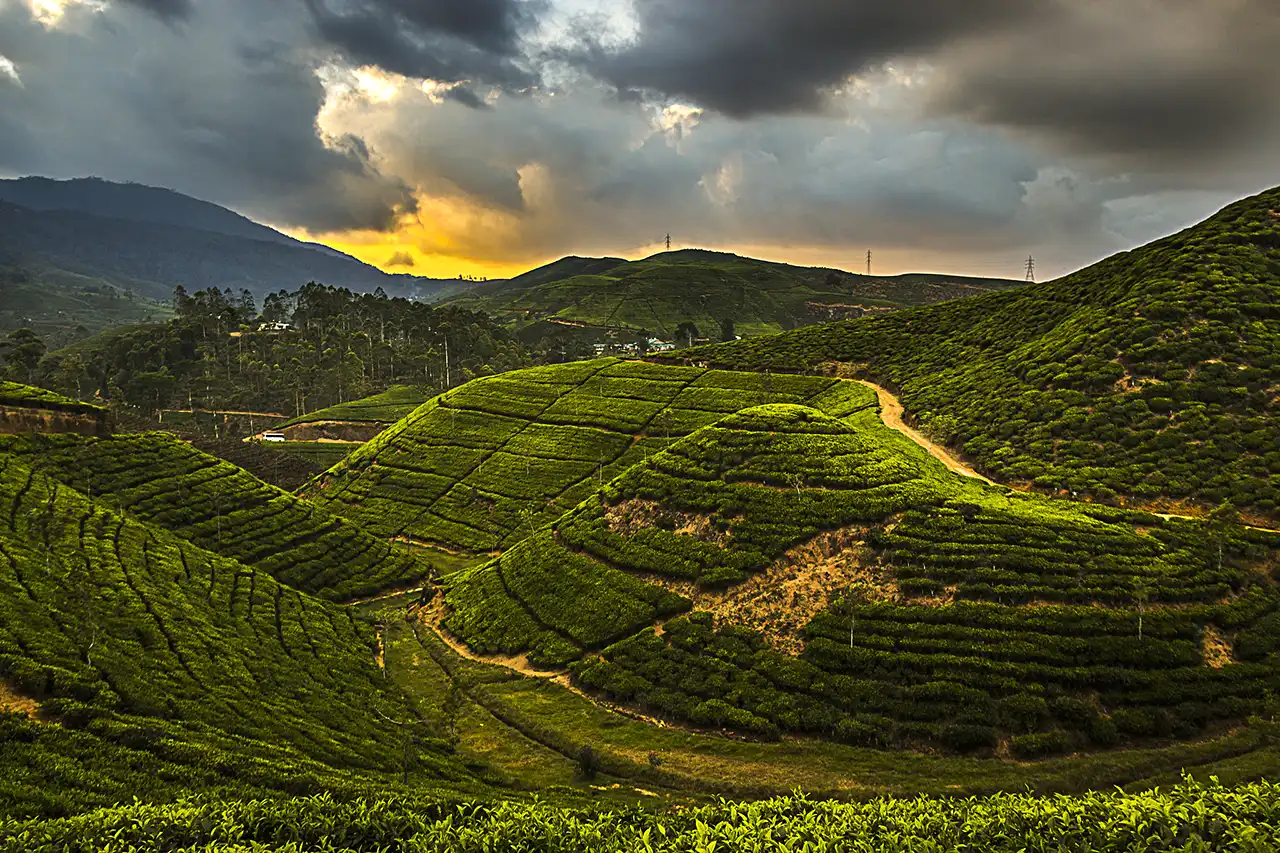
The name connects directly to tea culture. “Pekoe” is a grade of Ceylon tea leaf, and the trail passes through the estates and communities that grow, pluck, and process it. Walking here is not a wilderness expedition. It is a cultural route through working tea country, where the rhythm of the pluckers, the smell of processing leaf, and the sound of factory machinery become as much a part of the walk as the views.
Where the Pekoe Trail Goes
The trail crosses Sri Lanka’s Central Highlands from the hills above Kandy, at around 500 meters, through Hatton, Haputale, and Ella up to the cool estates near Nuwara Eliya above 1,800 meters. The route threads through tea plantations, Tamil plantation villages, eucalyptus and cloud forest, ridgeline viewpoints, waterfalls, and small hill towns.
Most stages pass close to communities, roads, or estates rather than through remote wilderness. The trail feels more like walking through a living agricultural region than trekking through empty mountains.
Do You Need to Walk the Full Trail?
No. Most luxury travelers, couples, and first-time visitors hike selected stages rather than the full 22-stage route. A 5-day selection of the best sections with luggage transfers and boutique stays often delivers a stronger experience than rushing through every stage.
The full trail suits serious long-distance walkers with time, fitness, and flexible logistics. Everyone else should pick the stages that match their trip.
Is the Pekoe Trail Worth It?
Yes. The trail is one of the best ways to experience Sri Lanka’s hill country slowly and deeply. The walking itself is rewarding, and the tea estates, the morning mist, the village encounters, and the cool highland air add up to something a road transfer simply cannot match.
The trail also connects travelers with communities that most visitors never meet. Tamil plantation workers, estate foremen, and small-village shopkeepers all share the same paths, and a walking traveler earns a different welcome than a car passenger.
Pekoe Trail Route Overview: The Five-Stage Clusters
The 22 stages break naturally into five clusters by area. Each cluster has a different character, and most travelers choose one or two clusters rather than trying to cover all five.
- Kandy area (Stages 1 to 5): Best for trail starts, tea history, and local village encounters. Early stages ease walkers into the highland rhythm.
- Hatton area (Stages 6 to 10): Best for classic, manicured tea estate scenery and luxury planter bungalow stays.
- Haputale area (Stages 11 to 14): Best for dramatic ridgeline views, misty valley photography, and steep hill trails.
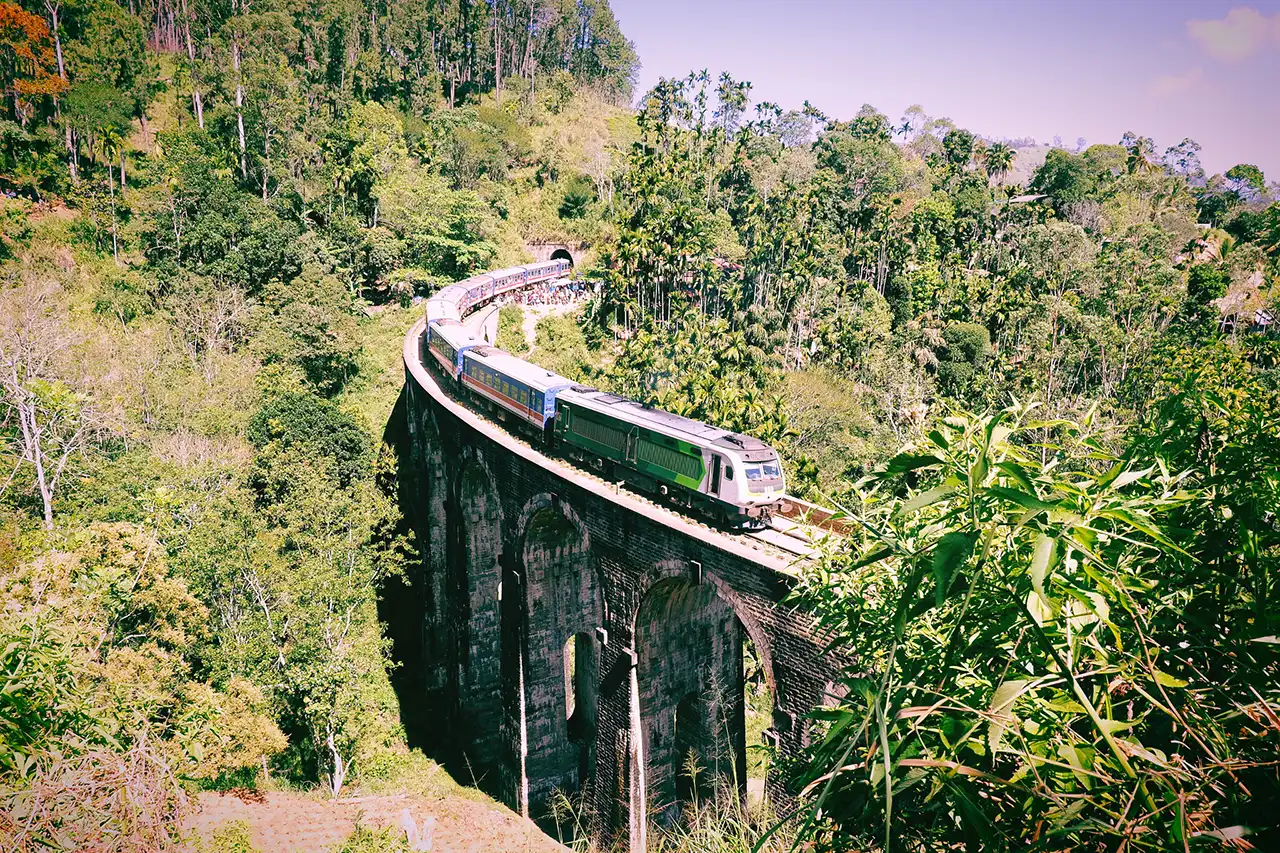
- Ella area (Stages 15 to 18): Best for short day hikes, iconic landmarks like Nine Arch Bridge, and easy local logistics.
- Nuwara Eliya area (Stages 19 to 22): Best for cool highland climate, historic leaf-to-cup factory tours, and a high-altitude finish.
Kandy Area (Stages 1 to 5)
The trail begins in the hills above Kandy, around Hanthana, Galaha, and Loolkandura. The early stages ease walkers into the rhythm, passing through tea estates, spice gardens, and village paths.
The Kandy cluster suits travelers starting their trip from the cultural capital. Combine a Temple of the Tooth visit with a first walk on the trail before heading deeper into tea country.
The walking around Hanthana and Galaha passes through a green transition zone where the city fades, and the first estate roads begin. The trail crosses small bridges, passes through village markets, and climbs into the first rows of tea bushes. The change in pace from the city to the estate road is one of the best first impressions the trail offers.
Hatton Area (Stages 6 to 10)
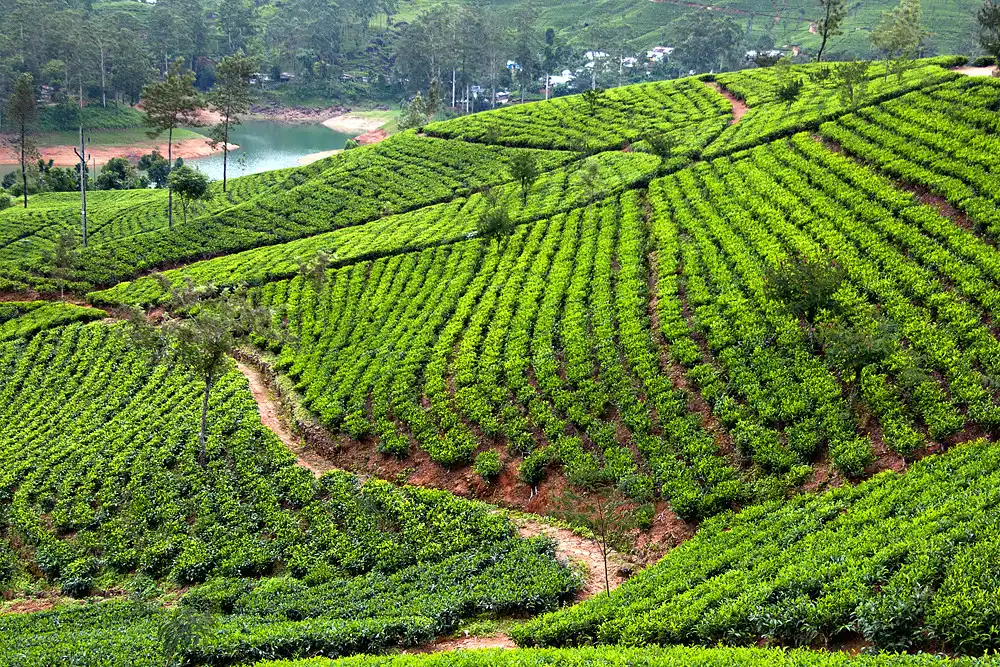
The Hatton cluster is a classic premium tea-growing region. Stages around Kotagala, Norwood, and Bogawantalawa pass through working estates with manicured rows of tea bushes, old planter roads, and valley views.
Luxury travelers find the best match here. Planter bungalow stays are within reach of Ceylon Tea Trails, and the walking connects naturally with factory visits, tasting sessions, and chef-prepared dinners on the veranda.
The Hatton stages give the clearest picture of what a working tea estate looks like from the inside. Tea pluckers in bright saris move through the rows, the air smells of drying leaf and wood smoke, and the factory’s rhythmic machinery runs from morning to evening. Walking through the middle of a living crop is a different kind of travel.
Haputale Area (Stages 11 to 14)
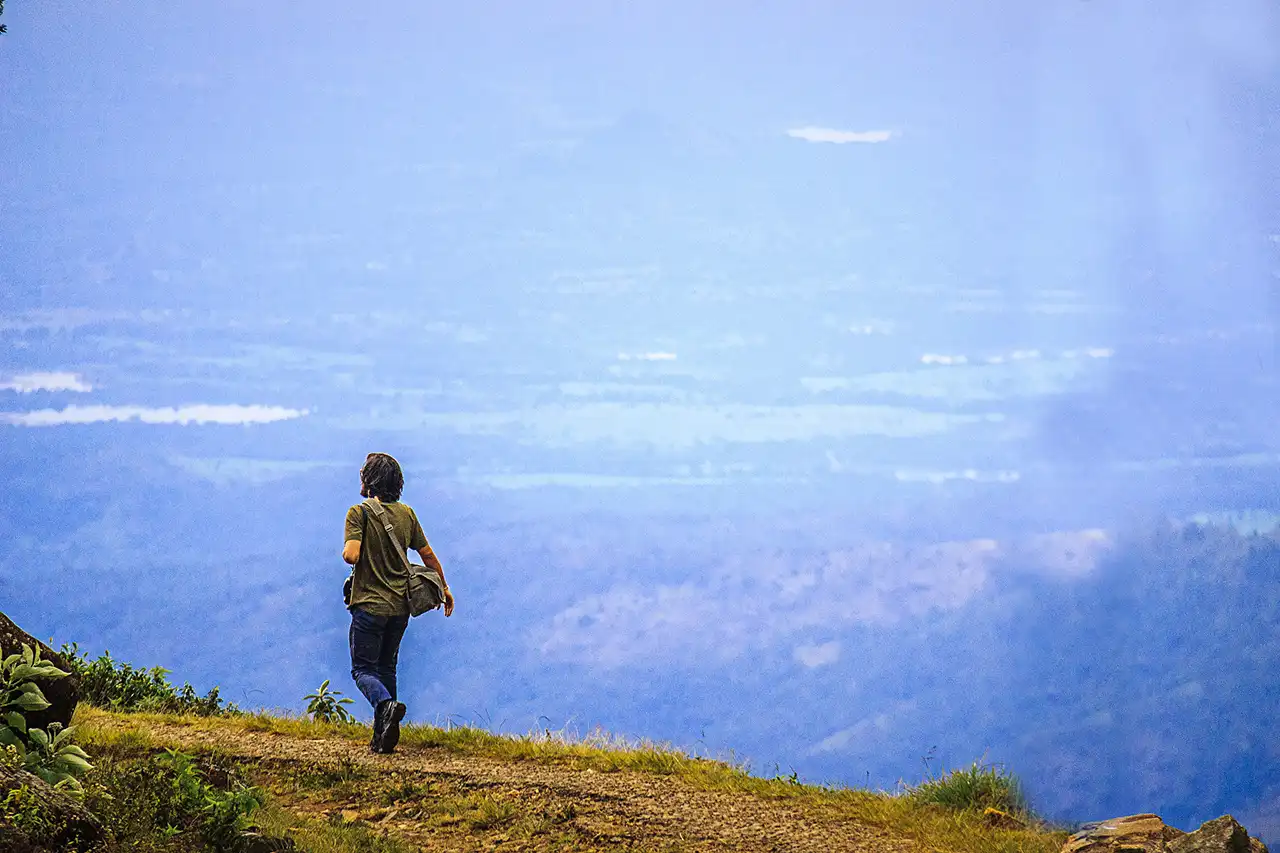
The Haputale cluster runs along dramatic ridgelines with long views over the southern lowlands. Stages around Haputale, Udaweriya, and St. Catherine can feel more demanding, with steeper climbs and exposed sections.
Fit walkers and photographers love the Haputale section. The light, the mist, and the scale of the views reward the effort. Lipton’s Seat, a famous tea-country viewpoint, sits in the same area.
Morning mist rolls through the valleys below the trail, and the low sun lights the tea bushes in pale gold. By midday, the clouds often build, so early starts pay off doubly here — cooler temperatures and cleaner views. The Haputale ridge drops sharply to the south, and on a clear day, the coast shimmers at the horizon.
Ella Area (Stages 15 to 18)
The Ella cluster is the most accessible for short itineraries. Stages near Ella, Demodara, and the Nine Arch Bridge region sit close to hotels, restaurants, and transport links. The walking is scenic, and the logistics are easy.
First-time visitors and travelers on a 7- or 10-day Sri Lanka trip often add one or two Ella stages as a day-walk add-on to their hill-country stop.
Ella itself is a small hill town with cafes, a relaxed atmosphere, and views over the Ella Gap to the lowlands. Nine Arch Bridge, the old stone railway viaduct framed by jungle, sits nearby. A morning walk on a Pekoe Trail stage, followed by an afternoon at a cafe or a visit to Ravana Falls, makes for a full day without exhaustion.
Nuwara Eliya Area (Stages 19 to 22)
The final cluster covers cool highland tea country around Uda Pussellawa, Kandapola, and Pedro Estate. The air is noticeably cooler, the tea factories process some of the finest Ceylon grades, and the colonial-era hill-town atmosphere gives the finish a different character.
Some sections include steeper gains, and the weather can shift quickly at altitude. A light jacket and a rain layer earn their place in the daypack. Even on a dry day, the altitude above 1,500 meters can feel cool in the early morning and after sunset.
The Pedro Estate near Nuwara Eliya is one of the oldest and most famous in Sri Lanka. A factory tour here shows the full leaf-to-cup process, from withering and rolling to fermentation and grading. Tasting the difference between a golden tip and a broken pekoe at the end of a walking day is a fitting way to close a tea-country chapter.
Best Pekoe Trail Stages to Hike
Not all 22 stages are equal. The best choice depends on what a traveler values most.
Travelers after tea estate scenery should focus on the Hatton and Nuwara Eliya clusters, where the walking passes through working estates with factory visits and planter bungalow stays nearby. Photographers and view seekers should head for the Haputale stages, where the ridgelines and morning mist create the most dramatic light. Culture-focused walkers do well starting in the Kandy area, where village paths and temple-linked routes add human depth.
First-time visitors who want easy logistics and a short commitment should pick one or two Ella-area stages. The hotels are close, the transport is reliable, and the scenery still delivers.
Luxury travelers get the most from the Hatton and Bogawantalawa sections, where premium bungalow stays, private guiding, and luggage transfers turn the walk into a genuine walking holiday rather than a hike-and-scramble.
Experienced hikers who want a physical challenge should consider the longer Haputale stages with greater elevation gain, where the trail earns its “difficult” rating.
How Many Days Do You Need for the Pekoe Trail?
One Day
Walk one scenic stage from Ella, Kandy, or Nuwara Eliya with a private guide, packed lunch, and hotel pickup. The best single-day option for travelers on a 7- or 10-day Sri Lanka itinerary who want a taste of the trail without a multi-day commitment.
Three Days
Two or three selected stages near Ella, Hatton, or Kandy, with a comfortable hotel as a base. A good fit for couples, families with active teenagers, and travelers adding a walking chapter to a cultural or coastal trip.
Five Days
A point-to-point walking route through one or two stage clusters, with luggage transfers between bases. Five days gives the trail a real identity inside a longer Sri Lanka trip, and the walking builds a rhythm that a single day cannot match. By the third day, the morning routine of breakfast, boots, and trail feels natural, and the body adjusts to the pace. The final two days often feel like the strongest, because the walker has found the right tempo.
Seven Days
Mix four or five walking days with a rest day and a cultural day. Use two or three high-quality bases and include tea factory visits, village encounters, and afternoon tea on a planter bungalow veranda. Seven days suits active luxury travelers who prefer a slower pace. The rest and culture days keep the body fresh, and the tea estate visits add variety that pure walking alone cannot match.
Ten Days: The Luxury Pekoe Trail Trek
Start in Kandy or Hatton. Walk the premier stages across two or three clusters. Stay in boutique hotels and tea bungalows. Transfer luggage by vehicle. Include tea tastings, cultural stops, and nature walks on the rest days. Finish in Ella, Nuwara Eliya, or continue to Galle, the south coast, or a Maldives extension.
Ten days is the strongest format for luxury walkers, honeymooners who like active mornings and comfortable evenings, and Nepal trekkers who want a gentler, lower-altitude alternative.
The Full 22-Stage Hike
The full trail suits serious long-distance walkers with two to three weeks, strong planning, and the willingness to accept variable accommodation and occasional logistical gaps between stages. Accommodation varies from luxury to basic along the route, and some stages need transport coordination at the endpoint. Most luxury travelers do not need the full trail. Selected high-quality stages often create a better travel experience. The full route also requires booking accommodation ranging from luxury to very basic, and not every overnight stop offers the standard a premium traveler expects.
Suggested Pekoe Trail Itineraries
3-Day Itinerary
Day 1: Arrive in tea country. Short warm-up walk on a nearby estate road or village path. Settle into your hotel.
Day 2: Full Pekoe Trail stage, with a guide, packed lunch, and return transfer. The Ella or Hatton area is well-suited for staging work.
Day 3: Second stage, or a tea factory visit and estate walk. Continue to your next destination.
5-Day Itinerary
Day 1: Arrive in Kandy or Hatton. Afternoon orientation walk.
Day 2: Tea estate stage. Walk through rows of tea bushes, estate roads, and a factory visit.
Day 3: Highland View stage. Ridge walking with long views over the valleys.
Day 4: Ella or Haputale stage. Village paths and hill-country scenery.
Day 5: Short morning walk. Transfer to your next destination or the coast.
10-Day Luxury Pekoe Trail Trek
Days 1 to 2: Kandy. Temple of the Tooth, botanical gardens, and a warm-up walk on an early trail stage.
Days 3 to 4: Hatton area. Tea estate stages with planter bungalow stays, factory visits, and guided walks through working estates.
Day 5: Rest and culture day. Tea tasting, village visit, or a slow morning at the bungalow.
Days 6 to 7: Haputale area. Ridge walks, dramatic views, and a boutique hill hotel.
Days 8 to 9: Ella area. Scenic stages, Nine Arch Bridge, and a final hill-country evening.
Day 10: Short morning walk. Transfer to Galle, the south coast, Colombo airport, or a Maldives flight.
Pekoe Trail with Sri Lanka Cultural Tour
Cultural Triangle (3 to 4 days) to Kandy to Pekoe Trail stages to Ella to Galle. Culture, tea country, and coast in one 10- to 14-day route. The Cultural Triangle delivers ancient history, the Pekoe Trail delivers highland walking, and Galle delivers a heritage coast finish. Add a Yala safari between Ella and the coast to enhance the wildlife experience.
Pekoe Trail with Maldives Extension
Walk first, rest later. Do the Pekoe Trail and Sri Lanka culture, then fly to a Maldives overwater villa for four to five nights. The contrast between hill-country walking and reef-and-sand stillness suits honeymooners and luxury travelers. A 12- to 14-day combination (7 to 9 days in Sri Lanka plus 4 to 5 nights in the Maldives) creates one of the strongest twin-center trips in Asia.
How Difficult Is the Pekoe Trail?
The difficulty depends entirely on the stage. Some stages follow gentle estate roads through tea fields and take three comfortable hours. Others climb steep hillsides through forest and mud for five or six demanding hours.
What Makes Stages Harder
Distance is only part of the equation. Elevation gain matters more than kilometers on the Pekoe Trail. A short stage with a steep 500-meter climb can feel harder than a longer flat walk. Wet weather makes paths slippery, and midday heat in the lower sections adds fatigue. Mist can reduce visibility on ridgeline stages, and afternoon thunderstorms can arrive fast in the hill country. A rain jacket weighs almost nothing and saves the day more often than most walkers expect. Leeches are found in wet forest areas, especially from May to November. Leech socks or tucking trousers into socks stops them before they start.
Trail Surface
The walking surface varies widely: manicured estate roads, gravel paths, village tracks, paved sections, muddy forest trails, and exposed rocky steps. Good hiking shoes with grip are essential, not optional. Estate roads give the easiest walking. Forest sections and descents after rain are the hardest. Expect to take shoes on and off at temple stops and village visits, so easy-to-remove footwear helps on the less technical stages.
Fitness Level
Most reasonably active travelers can hike selected moderate stages with the right planning. The full trail requires stronger stamina, more time, and careful logistics. A guided luxury trip with luggage transfers removes the hardest edges, letting travelers focus on the walk rather than the logistics. The difference between arriving at a stage end with a cold drink waiting and arriving with no transport in sight is the difference between a good day and a bad one.
Pekoe Trail vs Everest Base Camp Trek
| Feature | Pekoe Trail | Everest Base Camp Trek |
|---|---|---|
| Altitude | Lower altitude, Central Highlands | High altitude, 5,364 meters |
| Accommodation | Hotels, guesthouses, tea bungalows | Teahouses and mountain lodges |
| Main challenge | Heat, rain, elevation gain, stage logistics | Altitude, cold, distance, acclimatization |
| Scenery | Tea estates, forests, villages, hill country | Himalayan peaks, glaciers, Sherpa villages |
| Comfort level | Can be very comfortable with guided trips | More basic in higher areas |
| Best for | Soft adventure and luxury walking | High-altitude trekking |
The Pekoe Trail suits travelers who love the idea of a multi-day walking trip but prefer lower altitude, warmer weather, tea-country culture, and the option of a hot shower and a proper bed every night.
Do You Need a Guide for the Pekoe Trail?
A guide is strongly recommended for first-time visitors, luxury travelers, families, and anyone hiking less familiar stages. Guides handle route finding, weather calls, local etiquette, private-land access, and end-of-stage transfers. A good guide also turns a walk through tea bushes into a story about the people, the crop, and the colonial history behind it. The best guides know the estate managers, the factory workers, and the temple priests along the route, and those introductions give the walk a human dimension that solo walking rarely reaches.
Independent hiking is possible for experienced walkers with strong navigation skills, the official trail app downloaded and working offline, and confidence in reading trail conditions as they change. Check route status, trail rules, weather, and transport links before each stage. Some stages cross private estate land, and access rules can change.
A guided luxury trip is the strongest format for most Pekoe Trail travelers. Guests carry only a daypack, while the team handles stages, transfers, meals, luggage, and accommodation. The walking stays pure, and the logistics stay invisible.
Where to Stay on the Pekoe Trail
- Kandy: Boutique hill hotels, heritage villas, and wellness retreats. The best starting base for the trail and the Temple of the Tooth.
- Hatton and Norwood: Tea bungalows and luxury estate stays. Ceylon Tea Trails and similar properties put you inside a working plantation with guided walks from the door. A planter bungalow typically includes a private chef, a veranda with valley views, a resident guide, and the quiet hum of the estate at work.
- Bogawantalawa: Deep tea-country atmosphere and quiet walking. Premium retreats and tea estate bungalows for travelers who want the most authentic planter experience.
- Haputale: Boutique hill hotels and restored bungalows with views of the ridgeline. A photographer’s base with access to the most dramatic stages.
- Ella: The most popular hill-country base, with boutique hotels, scenic lodges, cafes, and easy logistics. Good for short itineraries and first-time visitors.
- Nuwara Eliya: Colonial-era hill town with heritage hotels, tea factories, and a cool highland atmosphere. A strong finishing base for the trail.
Best Time to Hike the Pekoe Trail
Sri Lanka’s hill country can receive rain at any time of year, so no month is fully dry. Mornings are almost always better for walking, and rain does not always ruin a day — it can make the trail greener, the air cooler, and the mist more atmospheric.
| Travel Period | Trail Experience |
|---|---|
| December to March | Often good for classic Sri Lanka route combinations |
| April | Warmer conditions, but mornings can work well |
| May to September | Variable hill-country weather, plan by stage |
| October to November | Higher rain risk, more flexible planning needed |
| Year-round | Possible for selected stages with route checks |
January to March is the most popular window because it lines up with the wider Sri Lanka high season and the south coast dry period. February and March often give the clearest mornings in the hill country, with drier trails and longer views. The shoulder months of April and September can still work for selected stages if you accept the occasional wet afternoon. May to September can still work for selected stages, especially when combined with an east coast beach finish.
Always check the official trail status before walking each stage. Weather damage, changes to private-land access, and maintenance closures can affect individual stages at any time.
Read More: Best Time to Visit Sri Lanka: The Ultimate Monsoon and Weather Guide
What to Pack for the Pekoe Trail
Clothing and Footwear
- Breathable hiking shirts and lightweight trousers
- Light fleece or jacket for cool mornings and higher stages
- Modest layer for village or temple stops
- Spare a dry shirt in the daypack
- Comfortable hiking shoes with a good grip for wet paths
- Socks that reduce blisters
- Sandals for evenings
Rain Gear
- Light rain jacket (essential, not optional)
- Backpack rain cover or dry bag
- Quick-dry clothing underneath
Daypack Essentials
- Water bottle (carry enough for the full stage)
- Snacks and energy bars
- Sun hat, sunscreen, and sunglasses
- Insect repellent
- Phone with offline maps and the official trail app
- Power bank
- Small first-aid kit and personal medicine
Optional Extras
- Trekking poles for steeper stages
- Binoculars for birdwatching
- Leech socks for wet forest sections
- Lightweight towel
- Reusable lunch container for low-waste walking
Food, Water, and Luggage Logistics
Most guided trips include hotel breakfast, a packed lunch carried in the daypack, and dinner at the hotel or bungalow in the evening. Tea shops and small local stops appear on some stages, but do not count on finding food in every section.
Carry enough water for the full stage, at least one liter per person for a three-hour walk, and more for longer or hotter stages. Refill at your hotel each morning and use safe water sources where available. Avoid single-use plastic bottles by carrying a reusable bottle.
Luggage transfers make the biggest difference to comfort on a multi-day trip. Guests walk with only a daypack, while main bags are moved by vehicle between hotels. A support vehicle can also meet walkers at rest points or provide a backup if weather or fatigue cuts a day short. Families with younger walkers find the support vehicle especially useful, because a tired child can ride the last stretch while the adults finish on foot. Share any dietary needs with your operator early, so the kitchen and the packed lunches match.
The packed lunches on a well-run guided trip are a highlight in themselves. Fresh rice and curry wrapped in a banana leaf, seasonal fruit, and a flask of Ceylon tea, eaten on a hillside with a view over the valleys, make a better meal than most restaurants offer.
Responsible Travel on the Pekoe Trail
The trail passes through living communities, not empty scenery. A good walker behaves like a guest, not a spectator.
- Ask before photographing tea workers, villagers, and children
- Stay on marked trails and avoid entering private estate land without permission
- Carry out plastic waste and leave no trace
- Support local guides, small cafes, and village businesses
- Respect religious sites, Hindu temples, and Buddhist shrines along the route
- Follow official trail rules and any required passes
- Keep voices low in residential areas and working estates
Common Mistakes to Avoid
- Walking too many stages too fast. Stage distances can look easy on paper, but elevation gain, heat, rain, and trail surface change the effort. Build in rest days.
- Ignoring route status. Trail access, weather damage, and private-land rules can change. Check the official trail app or website before each walking day.
- Choosing stages only by distance. A shorter stage with a steep 500-meter climb can exhaust a walker more quickly than a longer, flat walk. Read the elevation profile, not just the kilometers.
- Wearing poor footwear. Tea estate paths and wet forest sections turn slippery after rain. Proper hiking shoes with grip are essential.
- Treating plantation communities like photo props. Villages and tea estates are workplaces and homes. Ask before photographing, stay respectful, and support local businesses.
- Skipping end-of-stage transfer planning. Some stages end at points without easy access to taxis or hotels. A guided trip solves the problem. Independent walkers need to plan transport before they start walking.
Frequently Asked Questions About the Pekoe Trail
What is the Pekoe Trail?
The Pekoe Trail is a long-distance walking route through Sri Lanka’s Central Highlands, passing through tea estates, forests, hill towns, villages, and viewpoints across 22 stages.
How long is the Pekoe Trail?
The full route covers over 300 kilometers. Most travelers hike selected stages rather than the full trail.
Do I need to walk the full trail?
No. Many travelers walk one stage, a few selected stages, or a 5- to 10-day guided section. Selected stages often work better for luxury and first-time visitors.
How difficult is the Pekoe Trail?
Difficulty varies by stage. Some are easy and flat, while others involve steep climbs, slippery paths, or higher elevation gain. Use this Pekoe Trail guide to match the stages to your fitness level.
Do I need a guide?
A guide is strongly recommended for first-time visitors, luxury travelers, and anyone hiking less familiar stages. Guides help with route finding, safety, local context, private-land access, and logistics.
What is the best time to hike the Pekoe Trail?
The trail can be walked in different seasons with planning, but hill-country weather changes fast. Mornings are usually better for walking. Check the route status before each stage.
Where does the trail start?
The trail begins in the Kandy area. Travelers can also join selected stages from Hatton, Haputale, Ella, or Nuwara Eliya.
Can I hike from Ella?
Yes. Ella is one of the easiest bases for short sections of the Pekoe Trail, with hotels, transport, and restaurants nearby.
Is the Pekoe Trail suitable for luxury travelers?
Yes. Selected stages work very well as a luxury walking holiday with private guiding, luggage transfer, boutique hotels, tea bungalows, and chef-prepared meals.
Can I do the trail with luggage transfer?
Yes. A guided trip includes luggage transfers between hotels. Guests walk with only a daypack while their main bags are moved by vehicle.
Is the Pekoe Trail like trekking in Nepal?
The Pekoe Trail is lower-altitude, warmer, and more culturally rich, with tea estates and village paths. Nepal trekking is higher, colder, and more physically demanding. The Pekoe Trail suits walkers who want comfort and culture alongside their hiking.
Can I combine the Pekoe Trail with a Sri Lanka tour?
Yes. The trail combines well with the Cultural Triangle, Kandy, Ella, Galle, Yala safari, Ayurveda retreats, and Maldives extensions.
Is the Pekoe Trail safe?
Selected stages are safe with good planning, current trail information, proper footwear, weather awareness, and local guidance. Always check official updates before walking.
Plan Your Private Pekoe Trail Walking Holiday
The Pekoe Trail is best when the stages, hotels, transfers, and walking pace match your fitness and travel style. Tell us your travel dates, preferred comfort level, and how many days you want to walk. A Sri Lanka Travel specialist will design a private tea country hiking itinerary with guided stages, luggage transfers, boutique stays, and smooth onward travel to the coast, safari parks, or the Maldives.
Email: sales@peregrinetreks.com
WhatsApp: +977 985 105 2413
About the Author
Written by the Peregrine Treks and Tours travel team, with direct experience planning and running private Pekoe Trail, hill country, safari, and coast routes for international travelers. Stage notes and accommodation guidance reflect years of on-the-ground walking and route planning across the Central Highlands.