


A 2-week Japan itinerary gives you enough time to do far more than the standard Golden Route. Most 14-day plans online just bolt two rest days onto a 12-day trip and call it finished. Fourteen days should earn more. Here is a real two-week loop. It keeps the Golden Route of Tokyo, Kyoto, and Osaka. Then it adds Kanazawa for the Japan Alps and preserved Edo streets. Hiroshima and Miyajima bring the history that big cities miss. One arrival airport. One departure. No backtracking through a city you have already seen.
The route runs as a clean circle. You move forward the whole way, so your bags and your energy always point in one direction. You land back at your departure airport without doubling through Kyoto twice.
By the end of this guide, you will know four things. The full route and the reason behind each stop. How the pacing works, with three real rest days built in. How to handle the tricky train change at Tsuruga. And whether a Japan Rail Pass pays off on this specific loop.
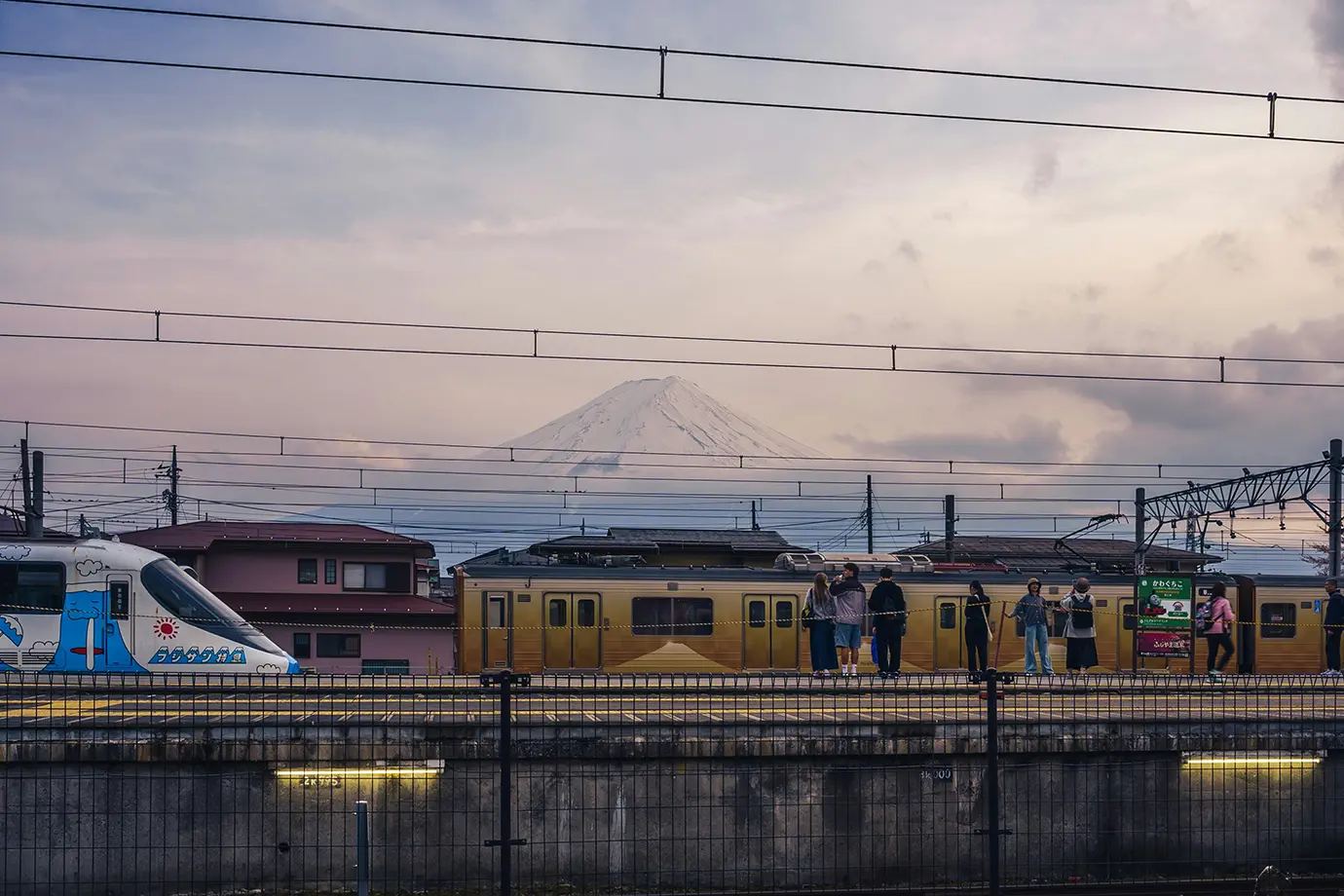
A printable checklist that mirrors this plan sits further down, ready for your trip folder.
Your 14-Day Japan Loop at a Glance
Here is the whole two-week route at a glance. The loop starts and ends in Tokyo, uses one arrival and one departure airport, and never revisits a city you have already toured.
- Days 1 to 4: Tokyo
- Day 5: Travel to Kanazawa
- Day 6: Kanazawa
- Day 7: Travel to Kyoto, with the Tsuruga transfer
- Days 8 to 9: Kyoto
- Day 10: Nara day trip
- Day 11: Osaka
- Day 12: Travel to Hiroshima
- Day 13: Miyajima
- Day 14: Return to Tokyo and fly home
The shape runs Tokyo to Kanazawa to Kyoto, with a Nara side trip, then Osaka, then Hiroshima and Miyajima, and back to Tokyo by rail. Every leg moves ahead around the circle, which keeps the logistics simple and the mood forward-looking.
Why This 2-Week Japan Itinerary Works
Fourteen days of work because it keeps the Golden Route whole and still reaches two places the standard trip skips. You get Tokyo, Kyoto, and Osaka at a human pace, plus Kanazawa and Hiroshima, without the box-ticking rush that ruins shorter plans.
Why 14 Days Beats 10
The Golden Route of Tokyo, Kyoto, and Osaka fits into 10 days, but only just. Four more days buy room to breathe and two culturally distinct stops. You stop counting sights and start feeling each city. The extra time is the gap between seeing Japan and getting to know it a little.
Why Add Kanazawa
Kanazawa earns its slot as the gateway to the Japan Alps, with an Edo core that survived the wars intact. Its Higashi Chaya geisha streets and its Kenrokuen garden rank with the country’s finest. A direct Shinkansen from Tokyo makes the Day 5 move simple. Kanazawa also opens the door to Shirakawa-go and Takayama if you want to extend the trip.
Why Add Hiroshima and Miyajima
Hiroshima and Miyajima give the loop the historical weight the metropolis route lacks. The Peace Memorial and its museum are among the most moving hours you can spend in Japan. Miyajima’s Itsukushima Shrine, with its torii gate rising from the sea, is one of the country’s defining images. It sits about 90 minutes from Osaka by rail.
When Is the Best Time for a 14-Day Japan Trip?
The best time for this loop is the shoulder months of May, early June, September, and October, when the weather is workable and crowds thin out. Cherry blossoms and autumn foliage are gorgeous but require booking many months in advance across all five cities.
Cherry Blossom, Late March to Early April
Cherry blossom season is the peak, lovely in every city, and the hardest to book. Kenrokuen in Kanazawa and the Philosopher’s Path in Kyoto are standouts. Rooms sell out six or more months ahead, and rates climb well above shoulder-season levels. Book early, or aim for the days just before or after the forecast peak.
Autumn Foliage, Mid-November to Early December
Autumn is the second peak, and many travelers prefer it. Kanazawa and Kyoto lead, their maples turning deep red under stable, cool, dry skies. Booking is a touch easier than spring but still competitive, so lock your rooms a few months out.
Shoulder Months: May, Early June, September, and October
Shoulder months are the sweet spot for most travelers on this route. The weather is mild, the crowds are moderate, and the rooms are easier to secure. Watch early June, when the rainy season, called tsuyu, can reach western Japan and dampen the days in Hiroshima and Miyajima.
Summer and Winter
Summer runs hot and humid, and Kyoto and Osaka turn punishing in July and August, though Kanazawa’s fireworks and festivals are a real draw. Winter is quiet and clear, with snow softening Kanazawa’s old streets, but daylight is short, and Miyajima’s waterfront gets cold. Pack for the season you choose.
How the Pacing Works
The loop is paced on purpose, with three genuine rest days and four lighter travel days built into the fourteen. The rhythm keeps two weeks from blurring into exhaustion by the second morning in Kyoto.
The Three Rest Days
Three days carry almost no schedule by design. Day 1 is for absorbing jet lag before the sightseeing starts. Day 10, the Nara trip, drops to a single site as trip fatigue peaks. Day 14 is travel and departure, with nothing you must see. Use them as intended, and you finish the trip fresh rather than frayed.
The Four Half-Travel Days
Days 5, 7, 11, and 12 each pair an intercity train with a partial day of sights. Treat them as lighter by design, not as wasted time. A morning on the rails and an afternoon in a garden or a market is a full, good day. It stops the trip from front-loading fatigue.
Forward Your Luggage Between Cities
Luggage forwarding, called takkyubin, is the trick that makes this loop feel easy. Hand your suitcases to a hotel front desk, and they will reach the next city the following day, usually by Yamato Transport. Forward Tokyo to Kyoto, Kyoto to Hiroshima, and Hiroshima to Tokyo, and carry only a small overnight bag for the nights in between. You board every Shinkansen with your hands free and your shoulders loose.
Where Fatigue Hits
Most two-week trips to Japan hit a wall around Days 8 to 10, when the pace of new temples and cities catches up. The Nara rest day sits right at that point on purpose. If the tiredness comes earlier, trade a temple for a long lunch and a park bench. No one remembers the sight they skipped, only the slow afternoon they enjoyed.
Day-by-Day Itinerary
Day 1: Arrival in Tokyo, a Rest Day
Day one does almost nothing, on purpose. Land at Haneda or Narita and clear customs. Pick up a Suica or Icoca IC card at the airport, plus a pocket wifi device or an eSIM. Take the train or a car to your Tokyo base and drop your bags.
Keep the evening small. Walk your own neighborhood, whether Shinjuku, Ginza, or Asakusa, eat an early dinner, and sleep. Jet lag hits hardest on the second and third days, so bank the rest now. Skip the temples tonight. They will still be there in the morning.
Day 2: Tokyo, Asakusa, Ueno, and the Old City
Day two walks Tokyo’s older east side. Start at Senso-ji in Asakusa by 8 a.m., before the coaches, while the Kaminarimon lantern and the temple approach are still quiet. Browse Nakamise for rice crackers and paper fans, then follow the Sumida River for a stretch.
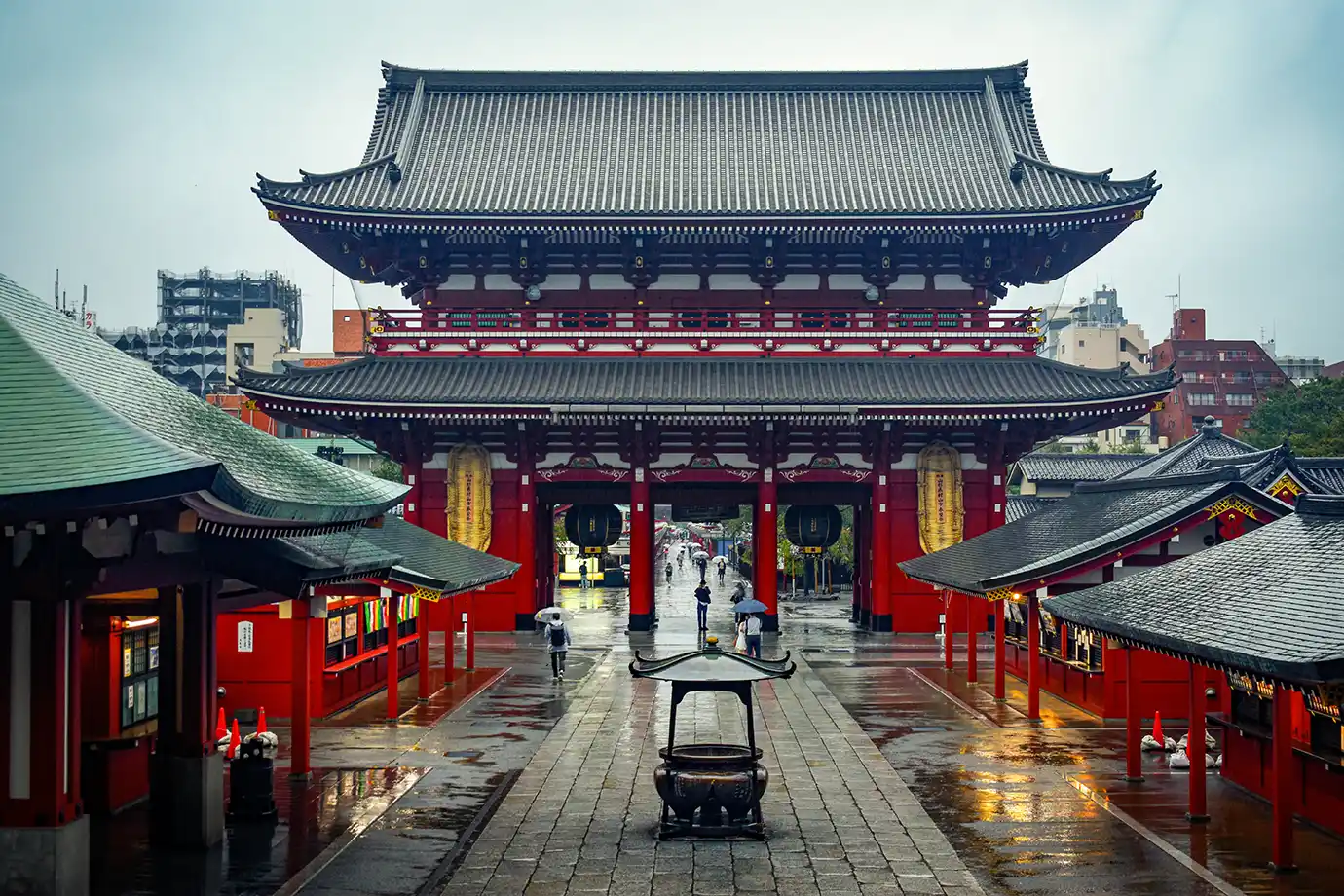
Midday, ride to Ueno Park for the Tokyo National Museum and its calm halls of samurai armor and old scrolls. Late afternoon, wander Yanaka, a low-rise quarter of wooden shopfronts and stray cats that came through the wars mostly untouched. Eat dinner among its lanes.
Day 3: Tokyo, Shibuya, Harajuku, and the Modern City
Day three flips to the new Tokyo. Begin at Meiji Jingu, a forest shrine that falls silent within a minute of the gate. Then walk into Harajuku for Takeshita Street and the calmer designer stretch of Omotesando.
By dusk, cross the Shibuya scramble with the crowd, and ride up Shibuya Sky for the wide view if the air is clear. Finish with an izakaya dinner in the backstreets of Ebisu or Shibuya, ordering small plates one at a time, the way locals do.
Day 4: Tokyo, Choose Your Depth
Day four is yours to shape, with three good tracks. Families and animation fans should book tickets to the Ghibli Museum in Mitaka months in advance, since tickets sell out quickly. Art lovers can instead reserve a spot at TeamLab Planets in Toyosu.
Early risers can have a Toyosu market breakfast, then visit the Hama-rikyu garden and take a river boat to Asakusa or Odaiba. Pick one track and do it well. Cramming all three turns a relaxed-paced city day into a forced march.
Day 5: Travel to Kanazawa, a Half-Travel Day
Day five moves you to Kanazawa on the Hokuriku Shinkansen, about two and a half hours from Tokyo Station. Forward your big bags to Kyoto now, so you travel light through Kanazawa and Tsuruga.
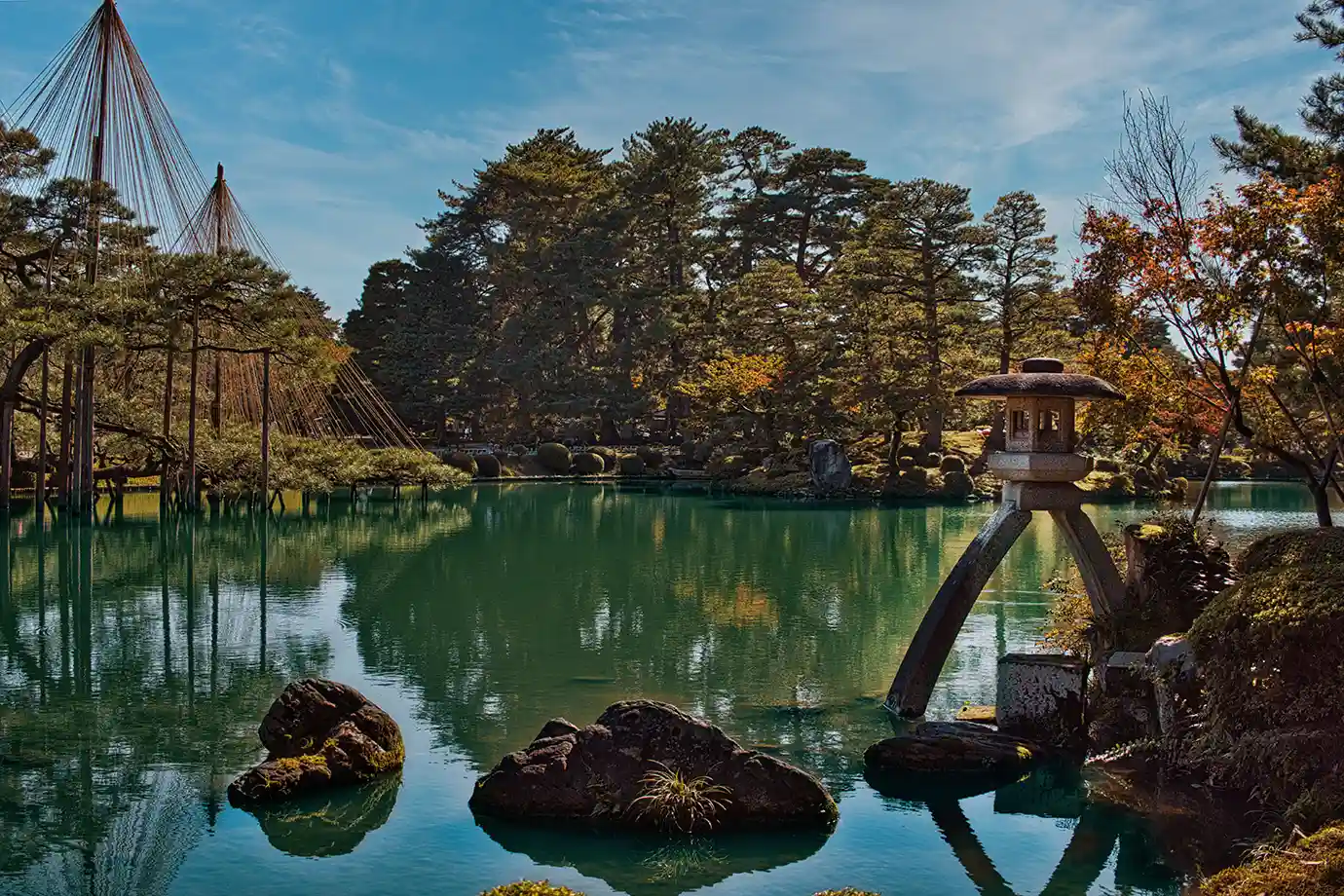
Check in, then spend the afternoon in Kenrokuen, ranked among Japan’s three finest gardens, with its looping ponds and the famous two-legged stone lantern. Walk into the Higashi Chaya geisha district at golden hour for gold-leaf ice cream and preserved teahouse fronts. Dinner is fresh Sea of Japan seafood.
Day 6: Kanazawa, Old Town, and Craft
Day six is a full, gentle day in Kanazawa’s preserved core. Start in the Nagamachi samurai district, where earthen walls and a small canal line the narrow lanes. Buy lunch at Omicho Market, the covered fish and produce hall, where vendors grill scallops to order.
Spend the afternoon at the round, glass-walled 21st-century Museum of Contemporary Art, or at the quiet D.T. Suzuki Museum if you want stillness. Have dinner as kaiseki at your ryokan. From our guides: give Kanazawa two nights, not one. The city rewards a slow morning, and the day-trippers never see it near empty at dawn.
Day 7: Travel to Kyoto via Tsuruga, a Half-Travel Day
Day seven crosses to Kyoto, and it holds the one train change that confuses people. Ride the Hokuriku Shinkansen from Kanazawa to Tsuruga. Then transfer to the Thunderbird Limited Express into Kyoto, about two and a half to three hours in all. The full section below walks you through the change.
Reach Kyoto by early afternoon, reunited with the bags you forwarded. Ease in with a walk through the Higashiyama slopes or the lantern-lit lanes of Gion. Keep the first Kyoto evening slow and unplanned.
Day 8: Kyoto, Southern and Eastern Temples
Day eight starts before dawn to beat the crowds. Reach Fushimi Inari by 7 a.m. and walk up through the tunnels of vermilion torii gates while they stand nearly empty. Come back down for a late breakfast.
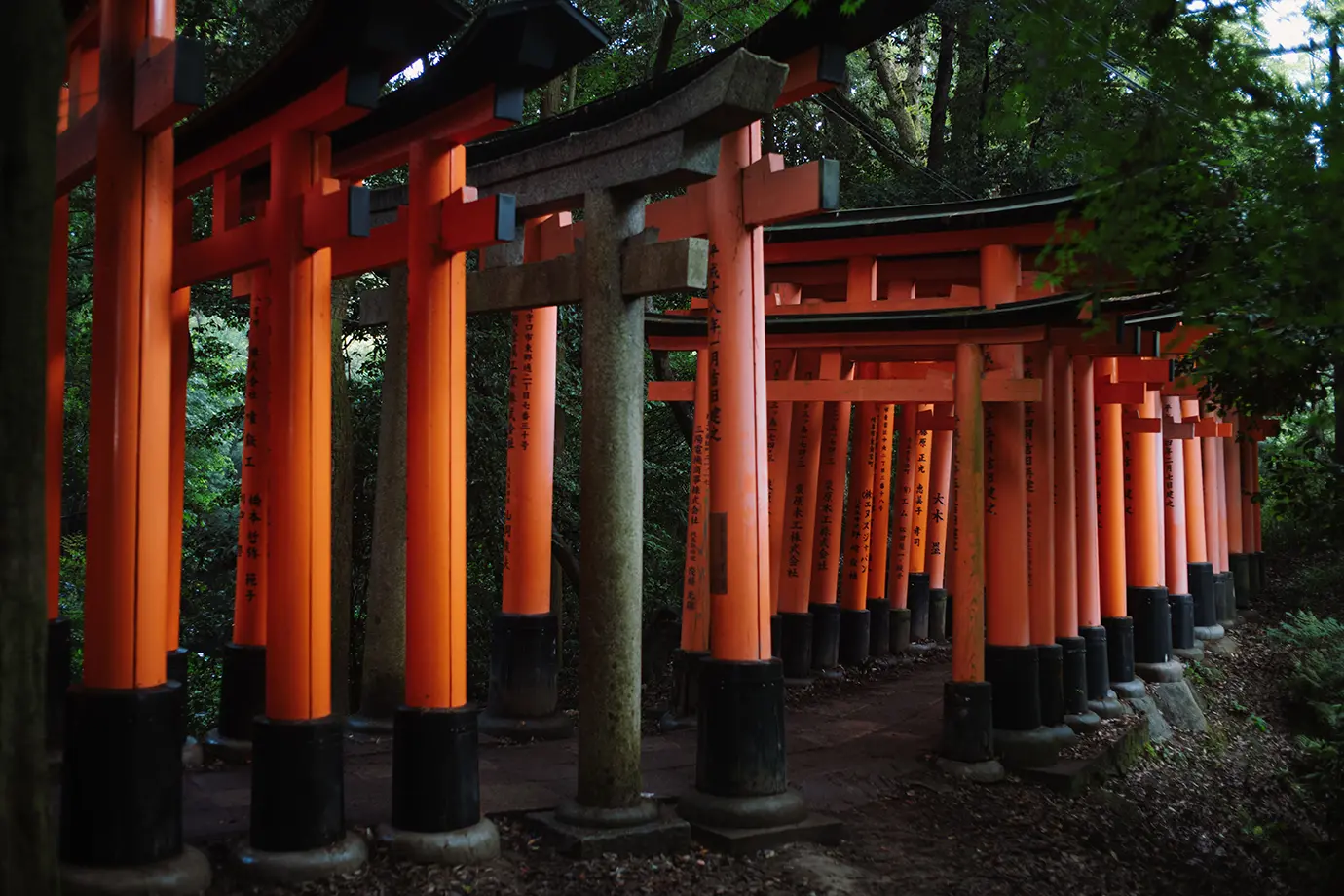
Late morning, climb to Kiyomizu-dera and its wooden veranda over the hillside. Then wind down the stone slopes of Ninen-zaka and Sannen-zaka, past pickle and pottery shops. Spend the evening in Gion, and eat along Pontocho, the narrow lane beside the Kamo River.
Day 9: Kyoto, Arashiyama, and Western Temples
Day nine heads west to Arashiyama. Walk the bamboo grove early, before mid-morning fills it, then tour Tenryu-ji and its pond garden backed by the hills. In the fall, the Sagano scenic railway is worth the seasonal ride.
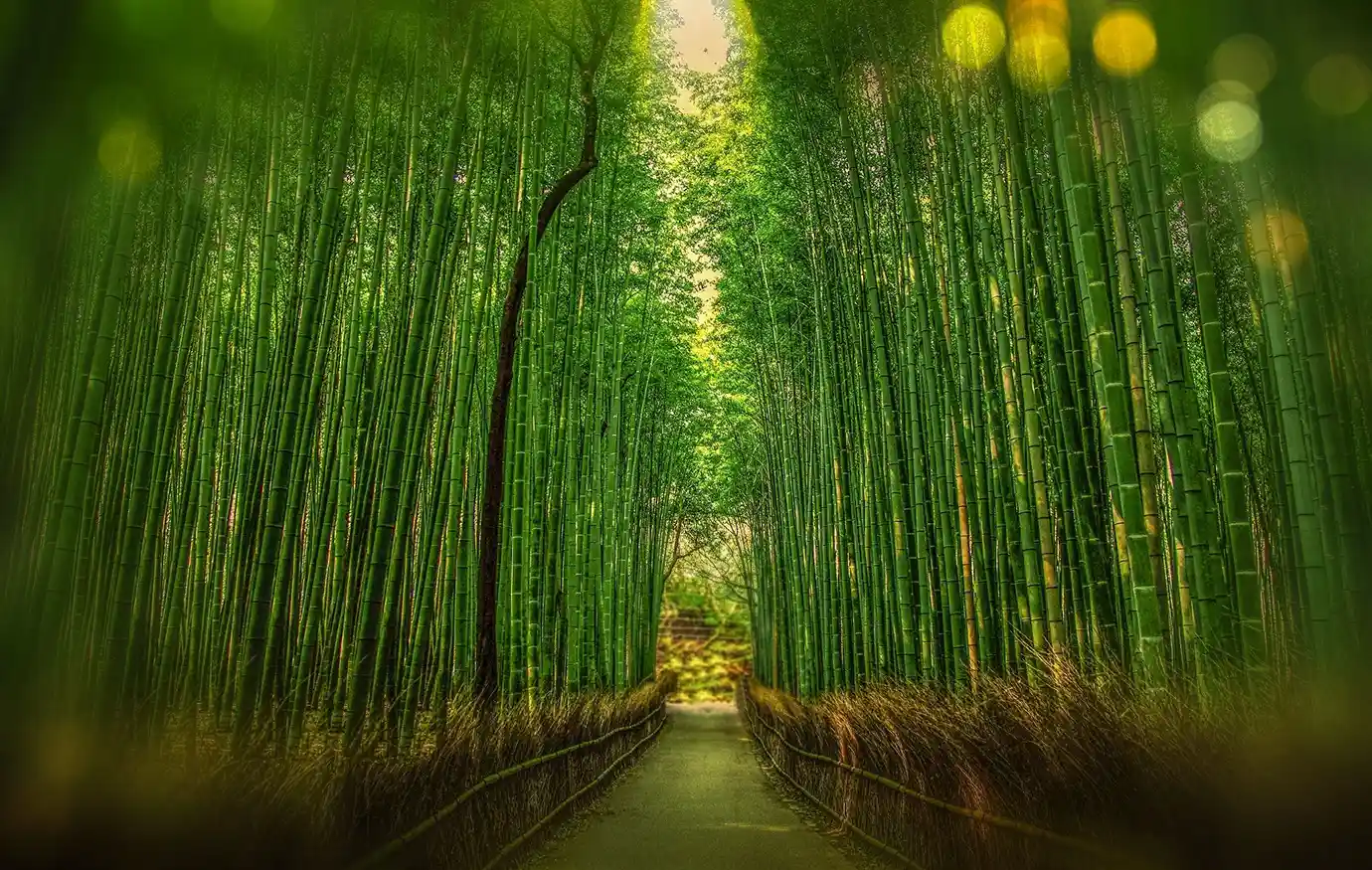
After lunch near the Togetsukyo Bridge, cross the city to Kinkaku-ji, the gold-leafed pavilion mirrored in its pond. Ryoan-ji and its raked-gravel garden sit next door. Note that Kinkaku-ji opens at 9 a.m. and offers no private early entry, so expect company. Return to central Kyoto for dinner.
Day 10: Nara Day Trip, a Rest Day
Day ten is a deliberate breather, one town and one gentle arc. Take the train to Nara, about 45 minutes, and let the pace drop. Bow-happy deer roam Nara Park and will nudge you for crackers.
See Todai-ji and its giant bronze Great Buddha, then walk the lantern-lined path up to Kasuga Taisha under the cedars. Come back to Kyoto for a quiet dinner. The trip usually reaches its tiring point around now, and the single-site Nara day is built to catch exactly that moment.
Day 11: Travel to Osaka, a Half-Travel Day
Day eleven makes the short hop to Osaka. It runs about 15 minutes by Shinkansen or half an hour on the JR Special Rapid. Drop your bags and tour the grounds of Osaka Castle, whose walls and moat outshine the museum inside.
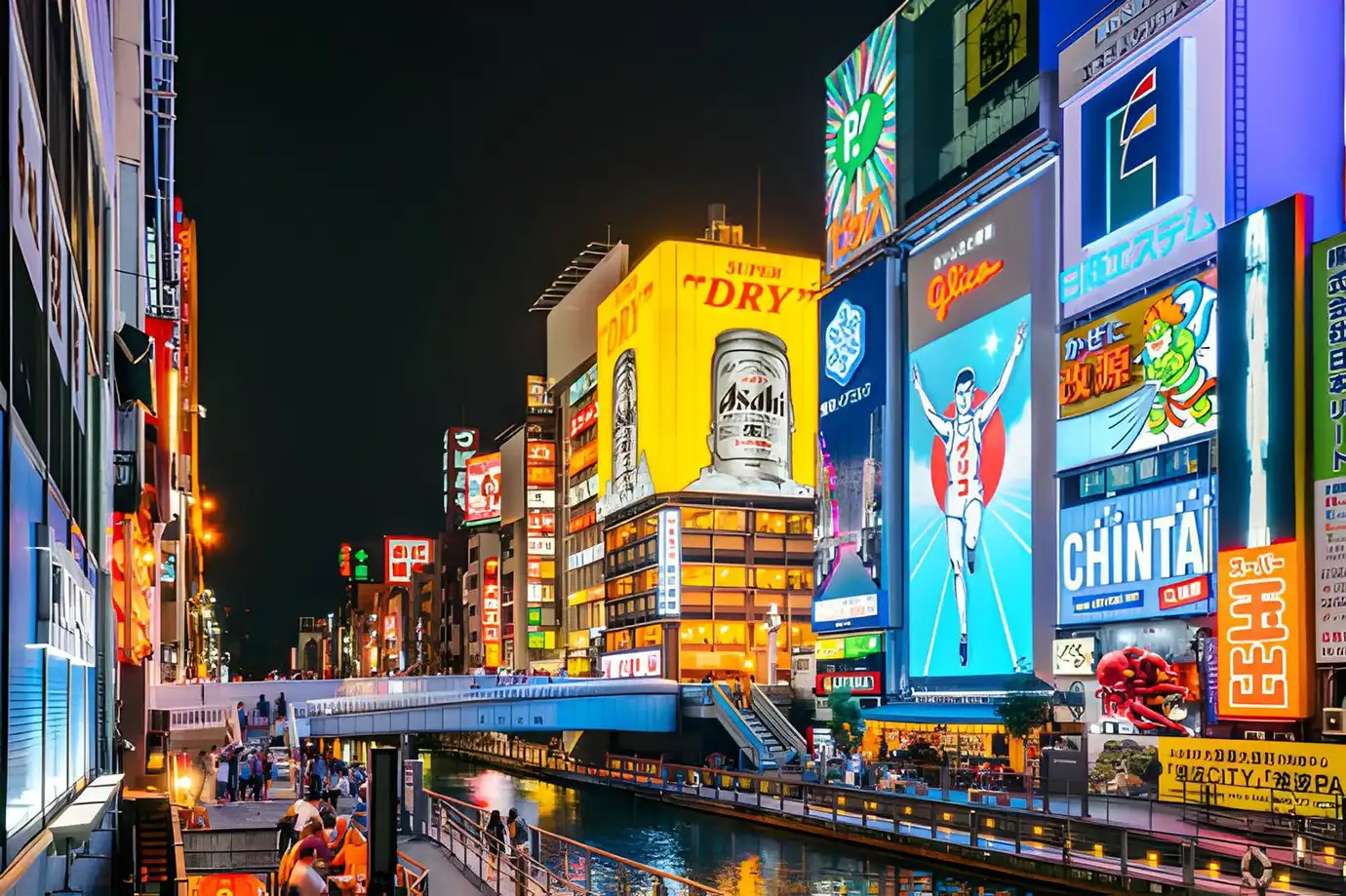
From early evening, give yourself to Dotonbori, where neon signs and the running-man billboard light the canal. Eat as you walk, takoyaki and kushikatsu and okonomiyaki, or push into the Namba backstreets and Kuromon Market for dinner.
Day 12: Travel to Hiroshima, a Half-Travel Day
Day twelve rides the Shinkansen from Shin-Osaka to Hiroshima, around 90 minutes. Forward your bags here, too, if your hotel allows. Give the whole afternoon to the Peace Memorial Park and its museum.
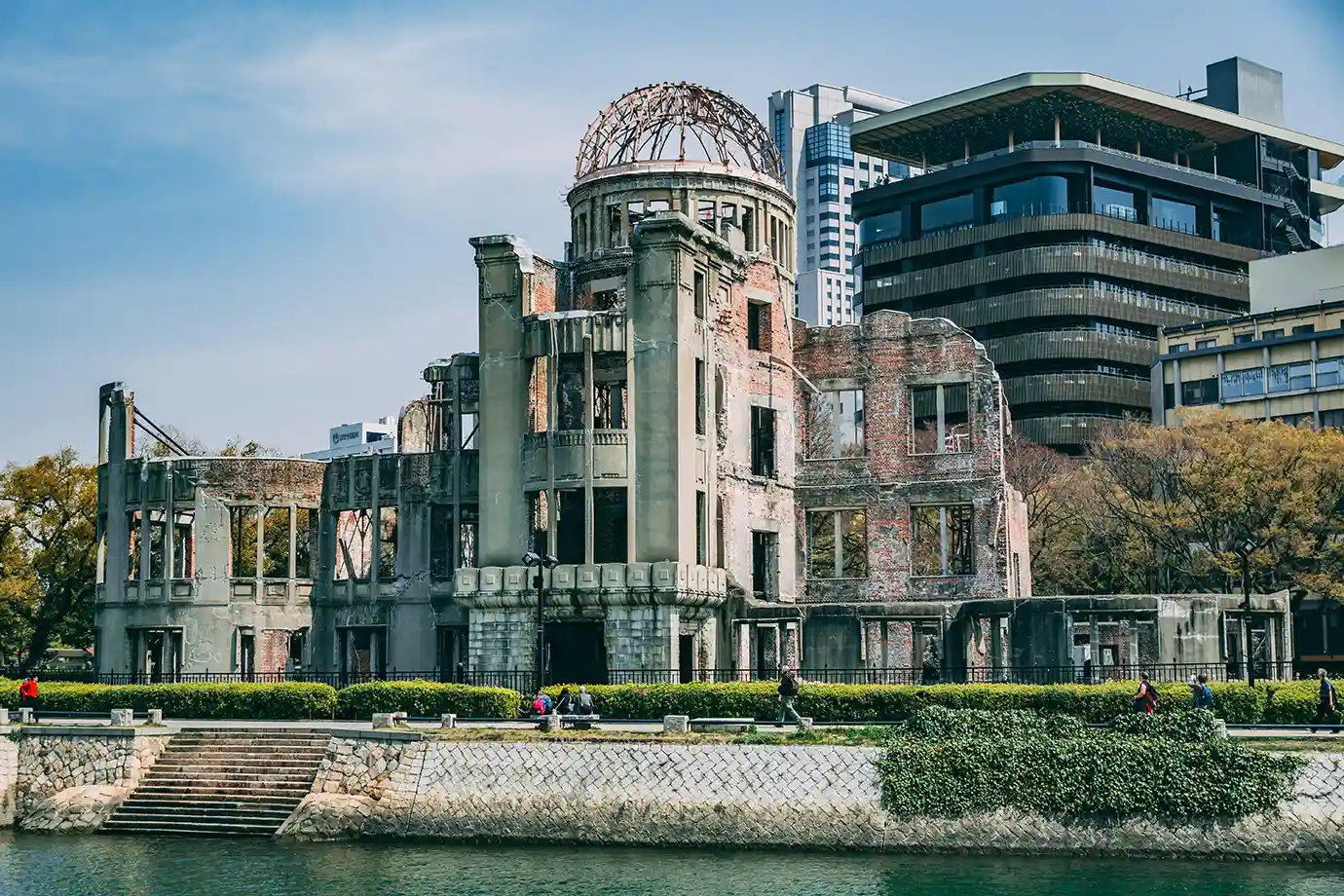
Slow right down for this. The A-Bomb Dome, the children’s monument, and the museum ask for reflection, not a quick loop, so leave the camera down and take your time. In the evening, eat Hiroshima-style okonomiyaki, layered with noodles and cooked on a flat grill, at a quiet local counter.
Day 13: Miyajima and Itsukushima Shrine
Day thirteen is Miyajima, the island of the floating shrine. Ride the ferry from Miyajimaguchi, about ten minutes across the water, and plan your day around the tides. The great torii gate stands in the sea at high tide and on wet sand at low tide. Each looks completely different.
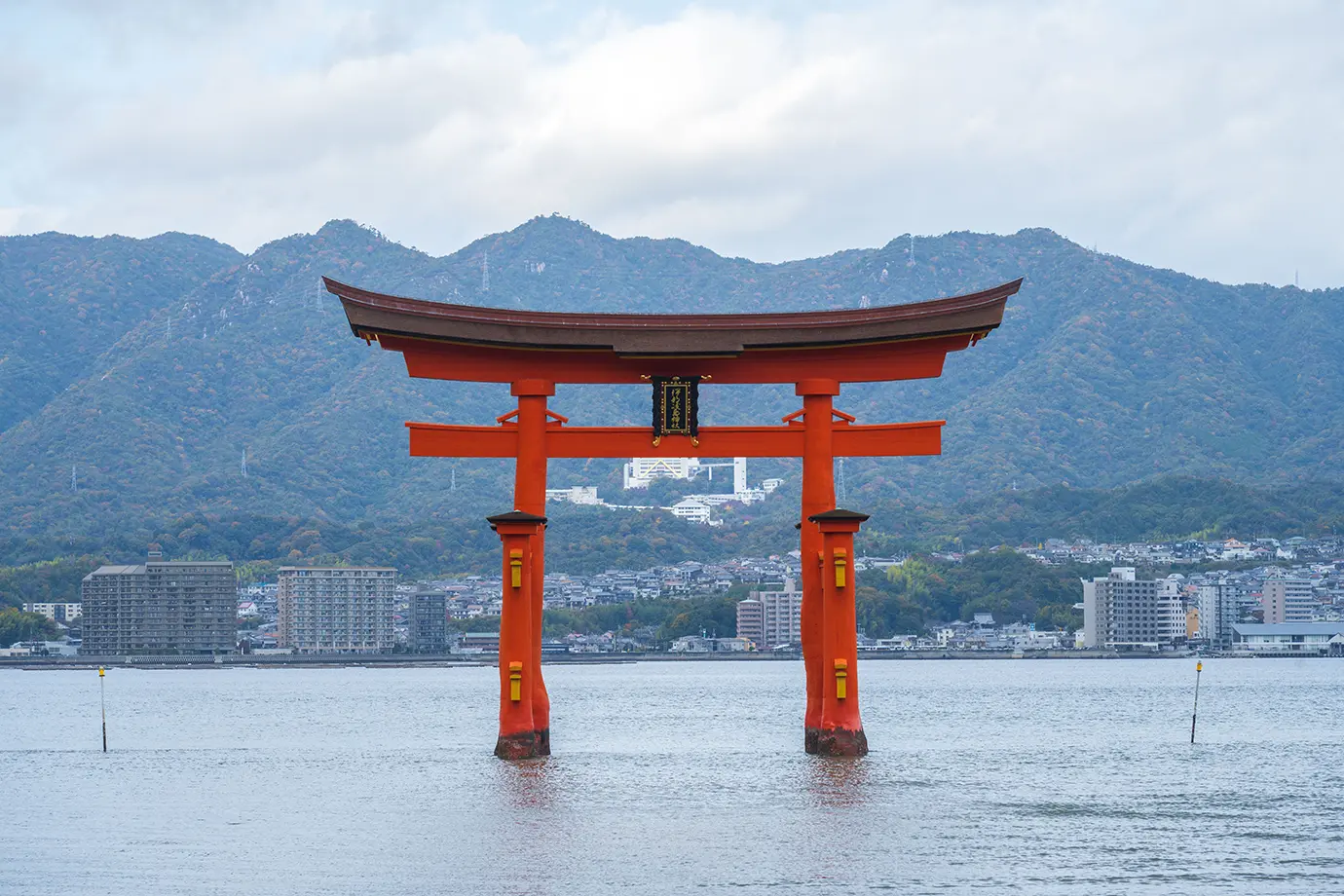
Visit Itsukushima Shrine on its stilts, wander Momijidani Park, and take the ropeway toward Mount Misen for the summit view. Evening returns to Hiroshima, or you can stay the night on the island.
From our guides: Stay overnight on Miyajima. Once the last ferries take the day-trippers home, the shrine and the deer belong to a few overnight guests. The historic Iwaso ryokan is the classic choice.
Day 14: Return to Tokyo and Departure, a Rest Day
Day fourteen brings you back to Tokyo without forcing it. The Shinkansen from Hiroshima runs for about four hours, is covered by the rail pass, and offers quiet scenery for most of the way. A flight from Hiroshima to Haneda takes under an hour and a half, but adds airport time on both ends.
Pick the train for a calm, seat-back finish, or the plane if your flight home leaves early. Either way, keep the day loose, collect any forwarded bags, and depart from Haneda or Narita.
How the Kanazawa-to-Kyoto Transfer at Tsuruga Works
The Kanazawa-to-Kyoto trip now requires one change at Tsuruga, since the Hokuriku Shinkansen was extended to that station. You ride the Shinkansen to Tsuruga, then cross to the Thunderbird Limited Express for Kyoto. The whole trip takes about two and a half to three hours. It is the single most confusing rail moment of the loop, so here is exactly how it goes.
The Two Legs
The first leg runs from Kanazawa to Tsuruga on the Hokuriku Shinkansen, roughly 45 minutes. The second leg is the Thunderbird Limited Express from Tsuruga to Kyoto, roughly 55 minutes. Both are reserved-seat trains, and both sit on a single ticket.
How the Change Works at Tsuruga Station
At Tsuruga, the Shinkansen arrives upstairs on the elevated platforms, and the Thunderbird leaves from the conventional platforms one level down. Follow the marked transfer route down, and your next train is a few minutes away. The station was built for this exact change, so signage is clear. Still, leave 15 to 20 minutes for the switch, or 30 with heavy bags, so a slow escalator never costs you the connection.
Why the Train Cannot Run Straight Through
You cannot ride one Shinkansen the whole way yet. The line onward to Kyoto and Osaka is planned but not built, and completion is still many years off. Until then, Tsuruga is the required change. Since both legs share one ticket, it reads as a single smooth trip, not two separate bookings.
Do You Need a Japan Rail Pass for This Loop?
A nationwide Japan Rail Pass can pay off on this loop, because the route strings together several long Shinkansen legs. A 14-day pass covers every intercity move if you start it on Day 5. Point-to-point tickets or a regional pass can work for lighter versions of the trip.
Time the 14-Day Pass to Day 5
The standard passes run on days 7, 14, and 21. Activate a 14-day pass on Day 5 for the Tokyo-to-Kanazawa move, and it stays active through Day 14 for the Hiroshima-to-Tokyo return. Those ten days cover every Shinkansen leg on the loop, where a pass earns back its cost.
The 7-Day Pass Alternative
A 7-day pass is the learner’s pass if you pay the Kanazawa leg separately. Start it around Day 8 in Kyoto, and it covers Kyoto to Osaka, Osaka to Hiroshima, and the long Hiroshima-to-Tokyo return. Roughly speaking, two or three big Shinkansen legs in a week justify a 7-day pass. Do the sum for your own dates.
Regional Passes and the Nozomi Catch
The JR West Kansai-Hokuriku Area Pass covers the Kanazawa, Kyoto, Osaka, and Hiroshima stretch, but not the Tokyo legs at each end. One more thing to know. The fastest Nozomi trains are not covered by the nationwide pass, so ride the Hikari or Sakura services, or pay a small supplement.
Where to Stay in Each City
Base yourself once per city and match the neighborhood to the itinerary. Keep it simple: one Tokyo base for four nights, a ryokan night in Kanazawa, and a machiya in Kyoto. Add a food-street hotel in Osaka and a central Hiroshima room.
Tokyo, Four Nights
Pick one Tokyo base for all four nights, and choose based on mood. Shinjuku puts you in the busiest transit hub, Ginza runs calm and upscale, and Asakusa keeps you in the old city near Senso-ji. Any of the three works for the whole Tokyo stretch.
Kanazawa, Two Nights
Kanazawa is your ryokan night. Book a traditional inn with a kaiseki dinner for at least one of the two nights, to slow the trip down at its midpoint. Long-running local inns such as Sumiyoshiya or Asadaya are worth a look.
Kyoto, Three Nights
In Kyoto, choose a machiya, a restored wooden townhouse, in Gion or the Higashiyama slopes for atmosphere. A hotel near Kyoto Station works well for easy trains. The machiya suits couples, and the station area suits anyone in a hurry.
Osaka, One Night
For a single night in Osaka, stay in Namba or Umeda, both within walking distance of Dotonbori. You arrive midday and leave the next morning, so proximity to the food streets matters more than the room.
Hiroshima, Two Nights
In Hiroshima, base near the Peace Park or the Shukkeien garden for an easy walk to the museum. A strong alternative is to split the stay: one night in Hiroshima and one on Miyajima at a shrine-side inn like Iwaso.
What to Pack for a Two-Week Loop
Pack for a range of weather and one nice dinner, since this loop crosses colder Kanazawa and warmer Osaka. Layers matter more than bulk over fourteen days, especially once you forward your main bag between cities.
- Layers you can add and shed, since Kanazawa runs colder than Osaka and the coast.
- One smarter outfit for a ryokan kaiseki dinner.
- A cash reserve, since some restaurants, temples, and small shops still take only cash.
- A coin purse for Japan’s heavy coins, which pile up fast.
- A small hand towel, since many public restrooms lack a dryer or paper towels.
- A power adapter and a battery pack for long sightseeing days.
- Comfortable, broken-in walking shoes you can slip off at temples and inns.
Forward your suitcase between cities, and the rest fits a carry-on and a day pack.
A Pre-Departure Checklist
Sort a few things before you fly, and the loop runs smoothly from Day 1. Handle your data, your money, and your bag-forwarding plan in advance rather than at a jet-lagged arrivals hall.
- Set an IC card plan, either a physical Suica or Icoca at the airport or a mobile card on your phone.
- Arrange a pocket wifi or an eSIM, so maps and translation work from the moment you land.
- Save each hotel’s name and address in Japanese for taxis and for luggage forwarding.
- Book time-sensitive tickets early, such as the Ghibli Museum or teamLab Planets.
- Decide on your rail pass plan before you arrive so you can activate it on the right day.
- Note Miyajima’s tide times for Day 13, so you catch the torii at the tide you want.
A printable version of this checklist and a one-page route summary are available on this page for your trip folder.
How to Adapt This Itinerary
The loop flexes for reverse travel, a mountain add-on, older travelers, and families. Keep the forward-moving shape and adjust the edges to fit your group.
Should You Run the Loop in Reverse?
You can run the loop backward, Tokyo to Hiroshima first, then Osaka, Kyoto, Kanazawa, and home, and the trains work fine. But you lose Kyoto’s build-up after Kanazawa, which is part of the trip’s arc. For a first visit, keep the order as written.
Adding Shirakawa-go or Takayama
The natural extension sits off Kanazawa, in the thatched-roof village of Shirakawa-go or the old town of Takayama. Adding either needs one more travel day. To make room, trim a Tokyo day or drop the Nara trip, and slot the mountain stop between Days 6 and 7.
Adapting for Older Travelers
The pacing already suits travelers in their sixties, with its rest days and short hops. Make it gentler still. Skip Fushimi Inari’s full climb and turn back at the first viewpoint, use taxis around Kyoto’s temple hills, and stretch Nara across two calm days.
Adapting for Families with Kids
Kids do well on this loop with a few swaps. TeamLab Planets on Day 4, the deer at Nara on Day 10, and the Miyajima ropeway on Day 13 all land well with children. In Osaka, add a ninja or interactive museum, or a theme-park day if your dates allow.
Frequently Asked Questions
Is 14 Days Enough for Tokyo, Kyoto, Osaka, Hiroshima, and Kanazawa?
Yes, comfortably. 14 days gives you 4 nights in Tokyo and a stop in Kanazawa. You get three Kyoto nights with a Nara day trip, a night in Osaka, and two nights for Hiroshima and Miyajima. The loop moves forward without backtracking, and three rest days keep the pace humane. You see all five places without the whistle-stop feel that shorter trips force.
Should I Do This Route in Reverse?
You can, and the trains work either way, but the forward order suits a first trip better. Running Tokyo to Kanazawa to Kyoto lets Kyoto’s temples land after Kanazawa’s quieter streets, which builds a strong cultural arc. Reversing it puts your biggest temple days early and softens the finish. Keep the written order unless a flight forces a change.
What Is the Best Season for a 14-Day Japan Trip?
The shoulder months of May, early June, September, and October suit this loop best, with mild weather and moderate crowds. Cherry blossoms in late March and early April, and autumn foliage in November, are stunning but need to be booked many months in advance. Avoid deep summer for the heat in Kyoto and Osaka, and watch early June for the western rainy season.
Do I Need a Japan Rail Pass for This Loop?
Often yes, since the loop links several long Shinkansen legs. A 14-day pass, starting on Day 5, covers every intercity move through the Day 14 return. If you shorten the trip or pay the Kanazawa leg separately, a 7-day pass or a regional pass can win instead. Add up your big legs and compare, because point-to-point tickets sometimes come out ahead.
Is Kanazawa Worth Adding to a Japan Itinerary?
Yes. Kanazawa offers an Edo-era core that the big cities have lost. You get the preserved Higashi Chaya teahouse streets, the samurai lanes of Nagamachi, and Kenrokuen, one of Japan’s three most admired gardens. A direct Shinkansen from Tokyo makes it easy to reach, and it opens the door to the Japan Alps. Two nights let you enjoy it rather than rush.
How Do I Handle the Tsuruga Transfer With Luggage?
Forward your main suitcase via Takkyubin so you can cross Tsuruga with only a day bag. At the station, the Shinkansen arrives upstairs, and the Thunderbird leaves one level down, along a short, well-signed route. Leave 15 to 20 minutes for the change, or 30 with bags. Both legs sit on one ticket, so it is a single, smooth trip.
Start Planning Your Two-Week Loop
You now have a full two-week Japan loop that keeps the Golden Route and still reaches Kanazawa, Hiroshima, and Miyajima, all without backtracking. Set your season and book the peak dates early. Time your rail pass to Day 5, and forward your bags between cities so every leg feels light.
Would you rather have the whole loop arranged for you, with ryokan nights, kaiseki dinners, and the Tsuruga transfer handled? Peregrine’s Japan team can build this route into a single 14-day package around your dates. Bring your travel window and your pace, and the rest can be planned around it.