


Seven days is enough for a real Japan trip, but only if you plan it as a sprint from the first morning. Most 7-day plans treat the week as a relaxed sample of three cities. The math does not agree. Count it out. Between your arrival day, your departure day, and two intercity moves, a one-week trip leaves about four full sightseeing days across three cities. Every wasted morning shows up in what you miss.
Here is a tight 7-day Japan itinerary built for that reality. It covers Tokyo, Kyoto, and Osaka on the Golden Route. Expect committed timing, open-jaw flights, and luggage forwarding to be treated as a rule rather than a nice-to-have. Every hour has a job.
Be honest with yourself about scope. One week in Japan cannot fit Hiroshima, Kanazawa, or a proper Mount Fuji day without breaking the pace. The route does not pretend otherwise. What it gives you is the tightest possible Tokyo-Kyoto-Osaka week. The timing detail is what separates a smooth trip from a rushed one.
Read the route at a glance below, then follow the day-by-day plan.
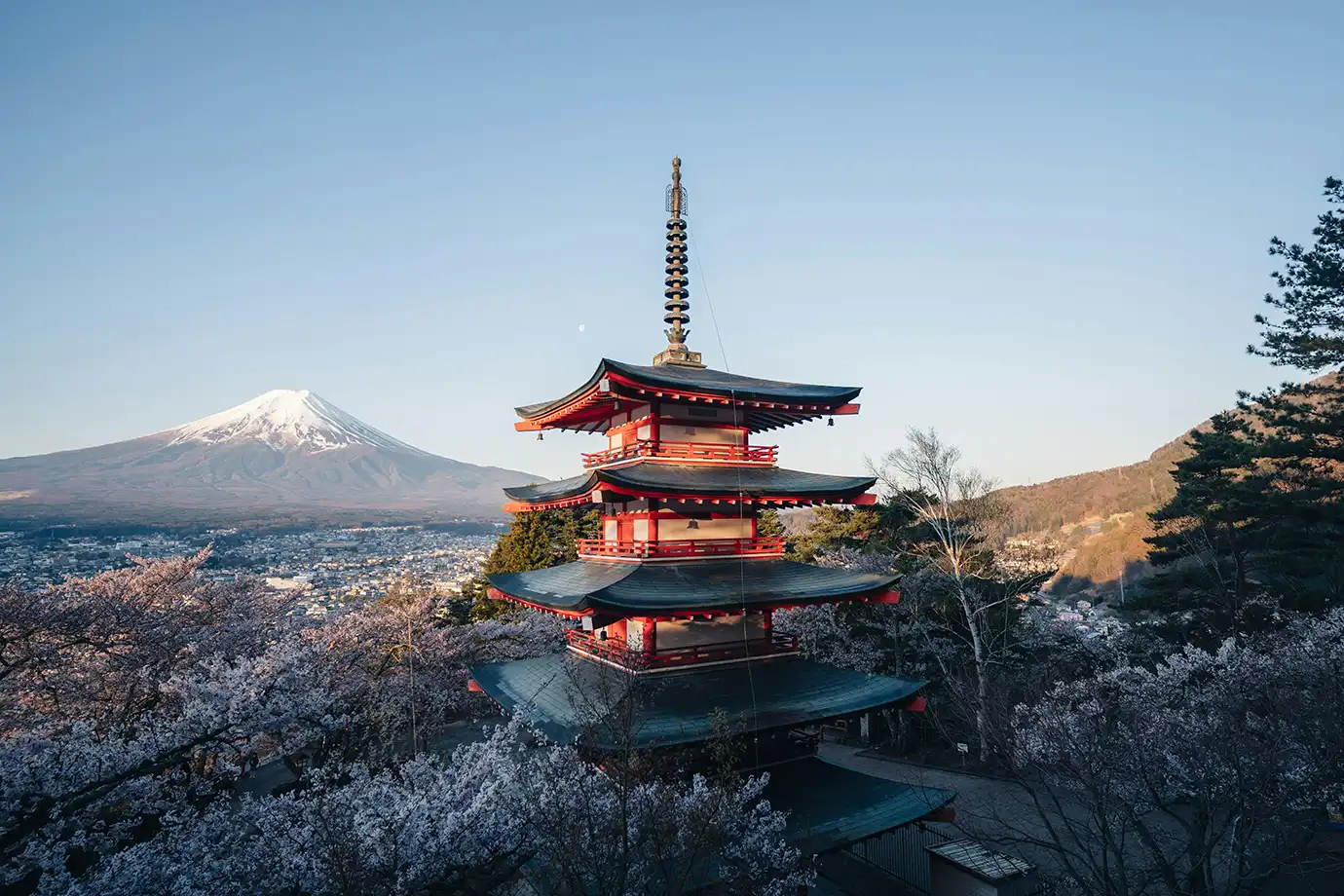
Your 7-Day Japan Route at a Glance
Here is the whole week in seven lines. Fly into Tokyo, fly out of Osaka, and never double back.
- Day 1: Arrive in Tokyo, a light day.
- Day 2: Tokyo old city, Asakusa, and Ueno.
- Day 3: Tokyo modern city, Meiji Jingu, Harajuku, and Shibuya.
- Day 4: Travel to Kyoto, afternoon in Higashiyama.
- Day 5: Kyoto, Fushimi Inari, and the southern temples.
- Day 6: Kyoto Arashiyama, then evening transfer to Osaka.
- Day 7: Osaka morning, fly out from Kansai Airport.
The open-jaw flights save you a full day of backtracking to Tokyo. Three cities are the cap, and this route hits each one at its best hours.
How to Make a 7-Day Japan Itinerary Actually Work
Four decisions make a 7-day Japan itinerary work: fly open-jaw, forward your luggage, reserve every bullet-train seat, and start each sightseeing day by 7:30 a.m. Get those right and the week feels full but never frantic.
Fly Open-Jaw, Tokyo In and Osaka Out
Book an open-jaw flight into Tokyo and out of Kansai Airport near Osaka. It is the single most important choice you make, since it saves a full day you would otherwise lose returning to Tokyo. Kansai connects directly to most major hub cities. Book it as one multi-city fare, not two separate one-ways.
Forward Your Luggage Between Cities
Send your suitcases ahead by takkyubin, the overnight courier service, so you move between cities with only a day bag. Forward Tokyo to Kyoto on the evening of Day 3, and Kyoto to Osaka on the evening of Day 6. On a week like this, it is not optional. Wrestling suitcases through stations costs you time and energy you cannot spare.
Reserve Every Bullet-Train Seat
Reserve your seats on both bullet-train legs, Tokyo to Kyoto and Kyoto to Osaka, before you travel. In cherry blossom season, Golden Week, Obon, and autumn weekends, the non-reserved cars fill up, and people stand for hours. Book through a rail app or at a green ticket machine. A reserved seat costs a little more and removes all doubt.
Start Every Day by 7:30 a.m.
Leave your hotel by 7:30 a.m. on every sightseeing day. Tour buses reach the big sites between 9:30 and 10:30, so the early hours are your window. Fushimi Inari, Kiyomizu-dera, the Arashiyama bamboo grove, Meiji Jingu, and Senso-ji are all calm at 7:30 and swamped by 10:00. The whole plan runs on this one habit.
Do It Yourself or Book a Guided Express Trip?
Choose a guided express trip if the planning load worries you, or do it yourself if you like the control. A private guided week handles luggage forwarding, seat reservations, and restaurant bookings, and it protects you from mis-timing a key site. Doing it yourself works well too, though the margin for error is thin on a trip this short.
When Is the Best Time for a 7-Day Japan Trip?
The best time for a 7-day trip to Japan is late October to mid-November for autumn foliage, or late March to early April for cherry blossoms. Late May into early June is the value pick. Avoid the holiday crush weeks and the deep summer heat.
The Best Windows
Three windows suit this trip best. Late October to mid-November brings autumn color, mild days, and manageable crowds, the top pick. Late March to early April brings the cherry blossoms, at peak prices and crowds, if you time it to the annual forecast. Early May, after the sixth, into early June is the quiet, good-value stretch.
The Windows to Avoid
Steer clear of the domestic holiday crush and the summer heat. Golden Week in late April and early May, Obon in mid-August, and the New Year days all pack the trains and hotels. Mid-July through August adds heat, humidity, and the year’s thickest tour-bus crowds. A tight week has no room to absorb them.
The Weather Reality
Plan for the fact that a 7-day trip cannot absorb two rained-out days. Check the forecast as your date approaches, and keep an indoor option, like a museum, ready for each city. If your dates are flexible, aim for the clear shoulder months for the steadiest weather.
The 7-Day Japan Itinerary, Day by Day
Here is the full week, hour by hour. Each day starts early, takes a real lunch break, and shifts to food and neighborhoods in the evening. Follow the times, and you stay ahead of the crowds all week.
Day 1: Arrive in Tokyo, a Light Day
Day one asks nothing of you but arrival. Land, get set up, and rest, since jet lag hits hardest over the days ahead.
- Land at Haneda, the closer airport, or Narita.
- Buy a Suica or an IC card at the airport station.
- Turn on your eSIM or pick up a pocket wifi before leaving the terminal.
- Ride the airport train or bus to central Tokyo, aiming to arrive at your hotel by mid-afternoon.
- Walk only your own neighborhood, from Shinjuku’s lit streets to Ginza or Senso-ji after dark.
- Eat an early dinner around 7:00 p.m. and sleep. Skip the sights tonight.
Day 2: Tokyo Old City
Day two walks Tokyo’s older east side, early and unhurried. Start at its oldest temple before the coaches arrive.
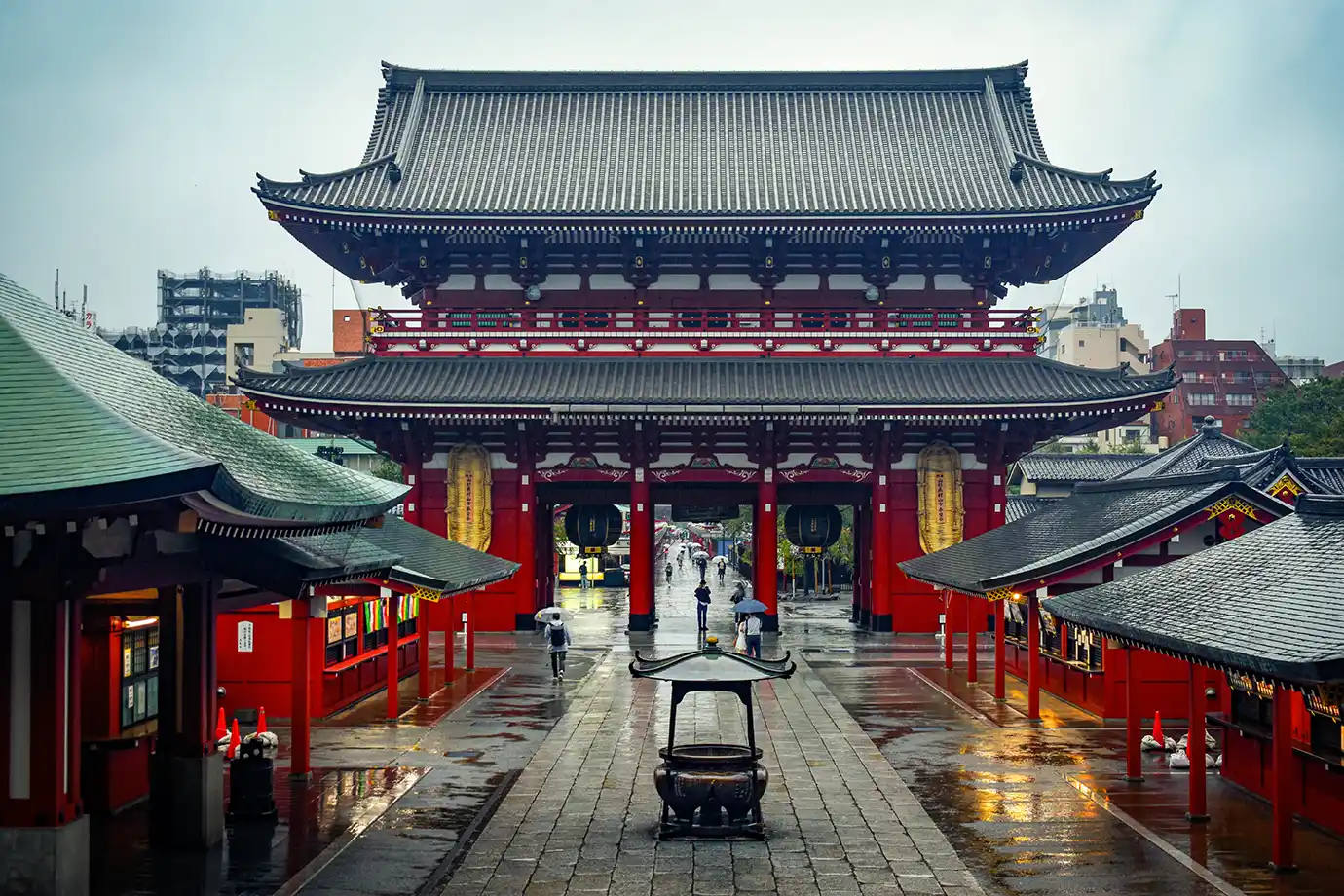
- 7:30 a.m. Senso-ji in Asakusa, with the Kaminarimon Gate and Nakamise Street still empty.
- 9:00 a.m. Walk the Sumida River toward the Tokyo Skytree view.
- 10:30 a.m. Metro to Ueno for the Tokyo National Museum, at least two hours.
- 1:00 p.m. Lunch in the Ameyoko market lanes.
- 2:30 p.m. Wander Yanaka, the low-rise old quarter that came through the wars intact.
- 5:00 p.m. Rest at the hotel for ninety minutes.
- 7:00 p.m. Izakaya dinner in Shinjuku or Ebisu.
From our guides: give Yanaka a slow hour. Few tour groups come here, so it is the one place in Tokyo where the old city still breathes.
Day 3: Tokyo Modern City
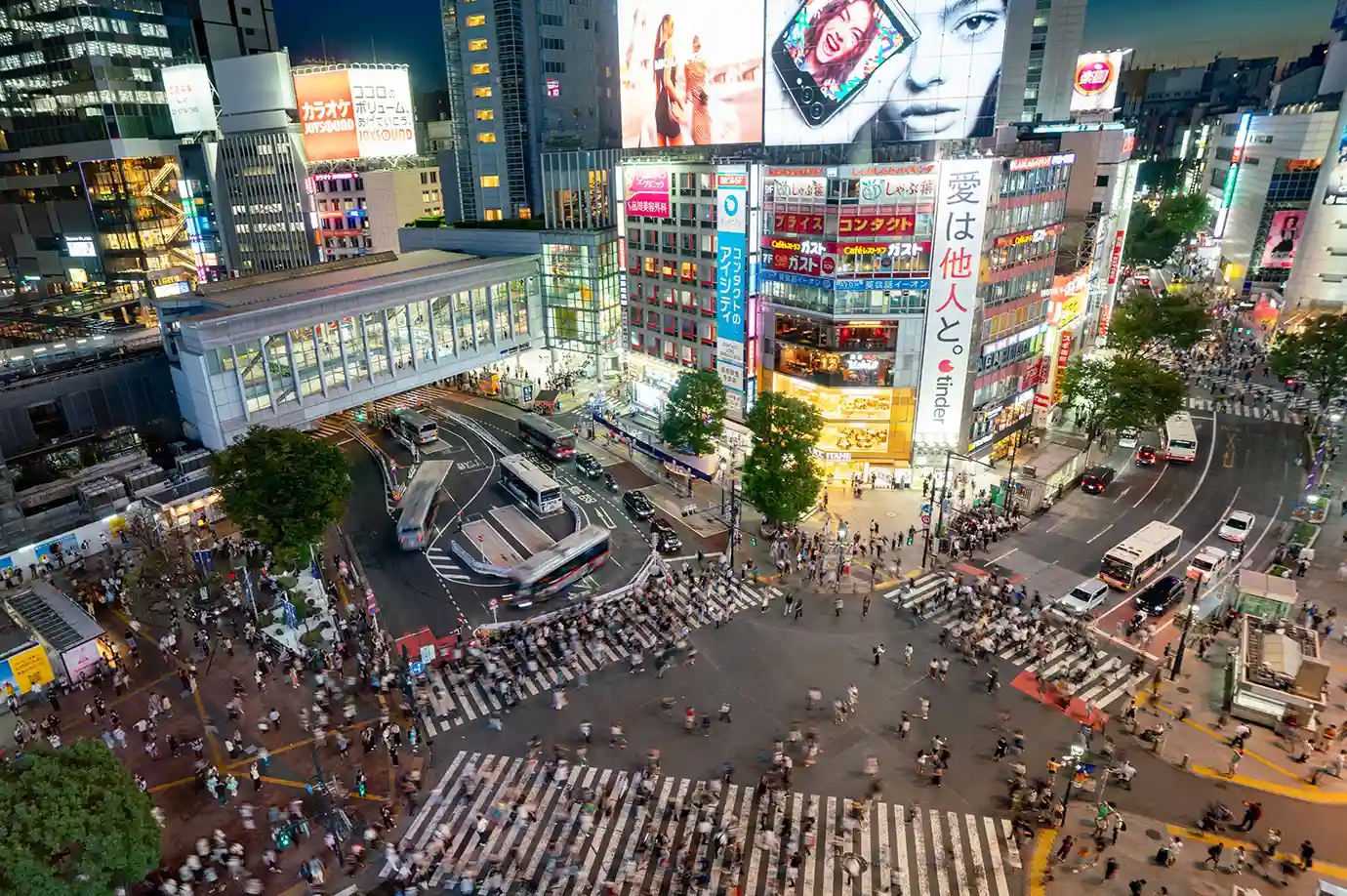
Day three flips to the new Tokyo, from a forest shrine to the busiest crossing on earth. It ends by sending your bags ahead to Kyoto.
- 7:30 a.m. Meiji Jingu, walking the forest path to the shrine before it fills.
- 9:30 a.m. Takeshita Street in Harajuku, then the calmer Omotesando.
- 12:00 p.m. Lunch in Omotesando or Aoyama.
- 1:30 p.m. teamLab Planets in Toyosu, booked ahead for an afternoon slot.
- 4:30 p.m. Shibuya Sky at sunset, booked ahead, then the Shibuya scramble below.
- 7:30 p.m. Dinner in the Shibuya backstreets or a tiny bar in Nombei Yokocho.
- 9:30 p.m. Forward your suitcases to your Kyoto hotel from the front desk before the evening cutoff.
Day 4: Travel to Kyoto, Afternoon in Higashiyama
Day four moves you to Kyoto by late morning and spends the afternoon in its most atmospheric quarter. You travel light, since your bags went ahead.
- 7:00 a.m. Breakfast at the hotel or a convenience store.
- 8:00 a.m. Board the bullet train at Tokyo Station, reaching Kyoto in a little over two hours. Ride the Hikari if you hold a rail pass, since it does not cover the faster Nozomi.
- 10:30 a.m. Drop your day bag at the Kyoto hotel and collect your forwarded suitcases.
- 12:00 p.m. Lunch in Gion or the Higashiyama slopes.
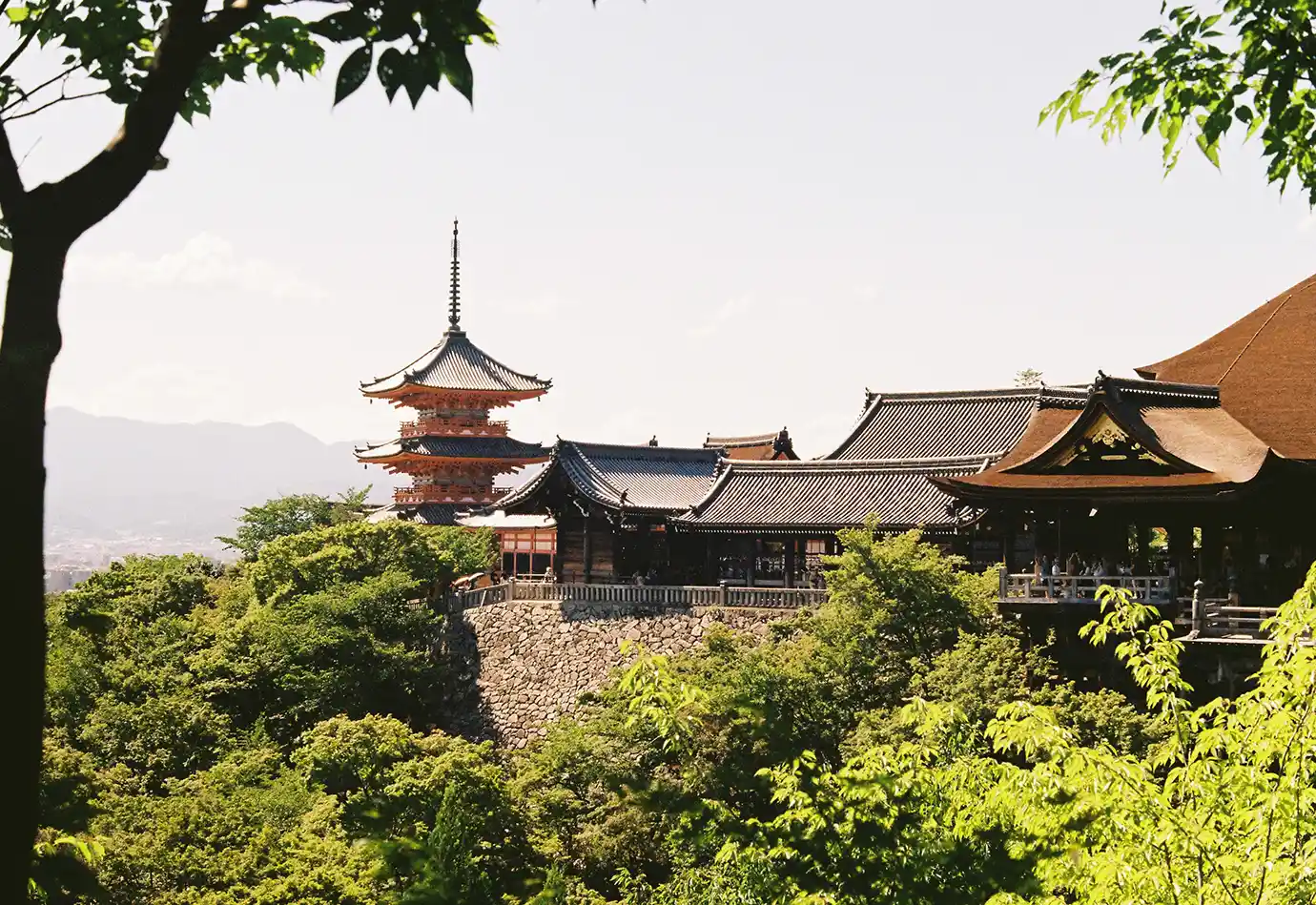
- 1:30 p.m. Kiyomizu-dera, then down the stone lanes of Ninen-zaka and Sannen-zaka.
- 4:30 p.m. Yasaka Shrine and Maruyama Park.
- 6:00 p.m. Dinner along Pontocho as the lanterns come on.
Day 5: Kyoto, Fushimi Inari, and the Southern Temples
Day five holds the hardest wake-up and the biggest reward. Reaching Fushimi Inari at dawn is the only way to see its tunnels empty.
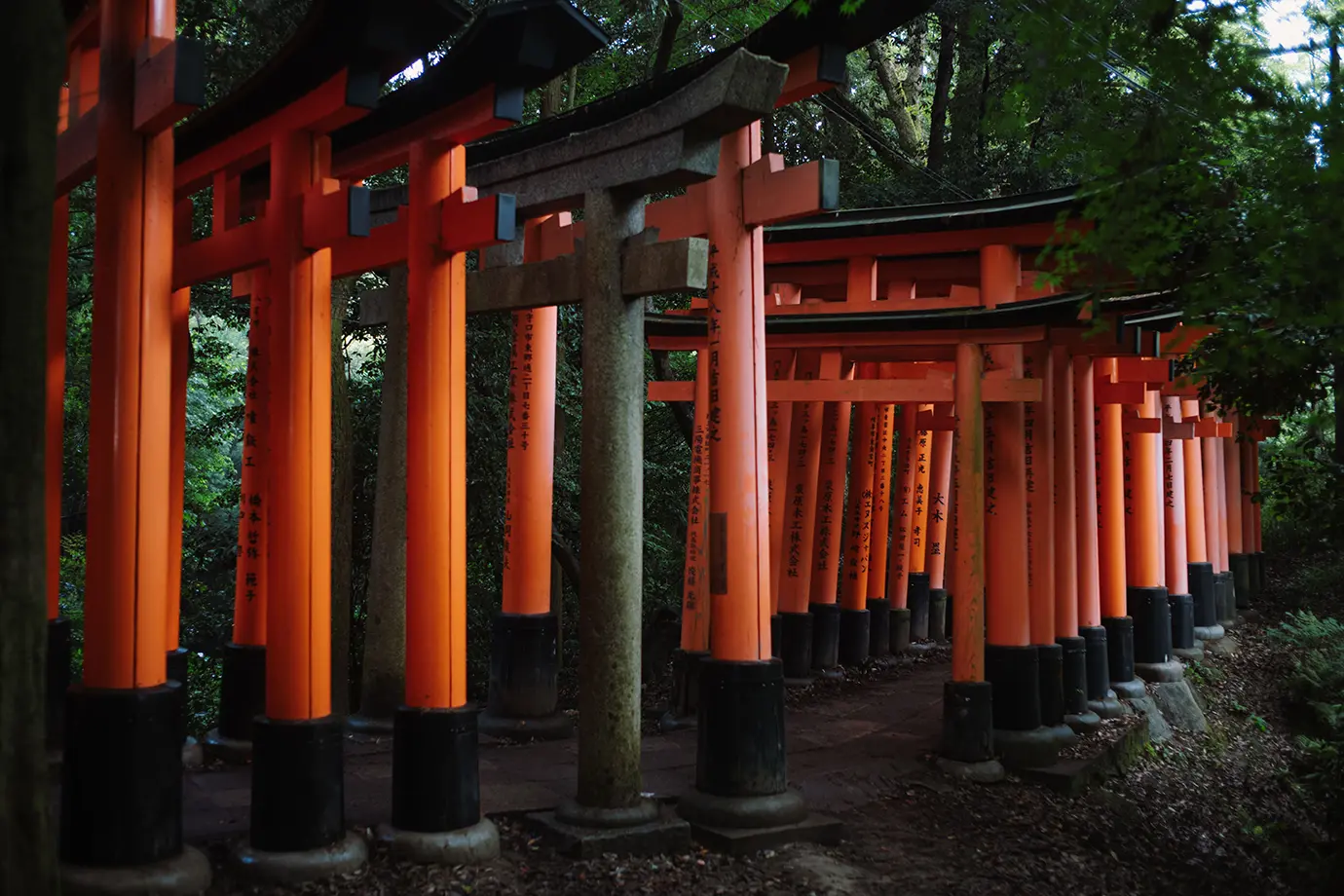
- 6:30 a.m. Leave the hotel, earlier than any other morning.
- 7:00 a.m. Fushimi Inari: climb the vermilion torii tunnels to the Yotsutsuji lookout, about thirty minutes up, while they are still nearly empty.
- 9:00 a.m. Breakfast at a cafe near the shrine.
- 10:30 a.m. Tofuku-ji, superb in autumn and lovely year-round.
- 12:30 p.m. Lunch in central Kyoto.
- 2:00 p.m. Ginkaku-ji, then the Philosopher’s Path down toward Nanzen-ji.
- 5:00 p.m. Nanzen-ji and its brick aqueduct.
- 7:00 p.m.: Kaiseki dinner (booked in advance) or an izakaya in Pontocho.
From our guides: for a first trip to Japan, a casual kaiseki specialist beats a formal room. You get the seasonal courses without the hushed, careful pace after a long day.
Day 6: Kyoto Arashiyama, Then Osaka
Day six starts in the western hills and ends with Osaka’s neon. Beat the crowds to the bamboo, then ride to Osaka in the evening.
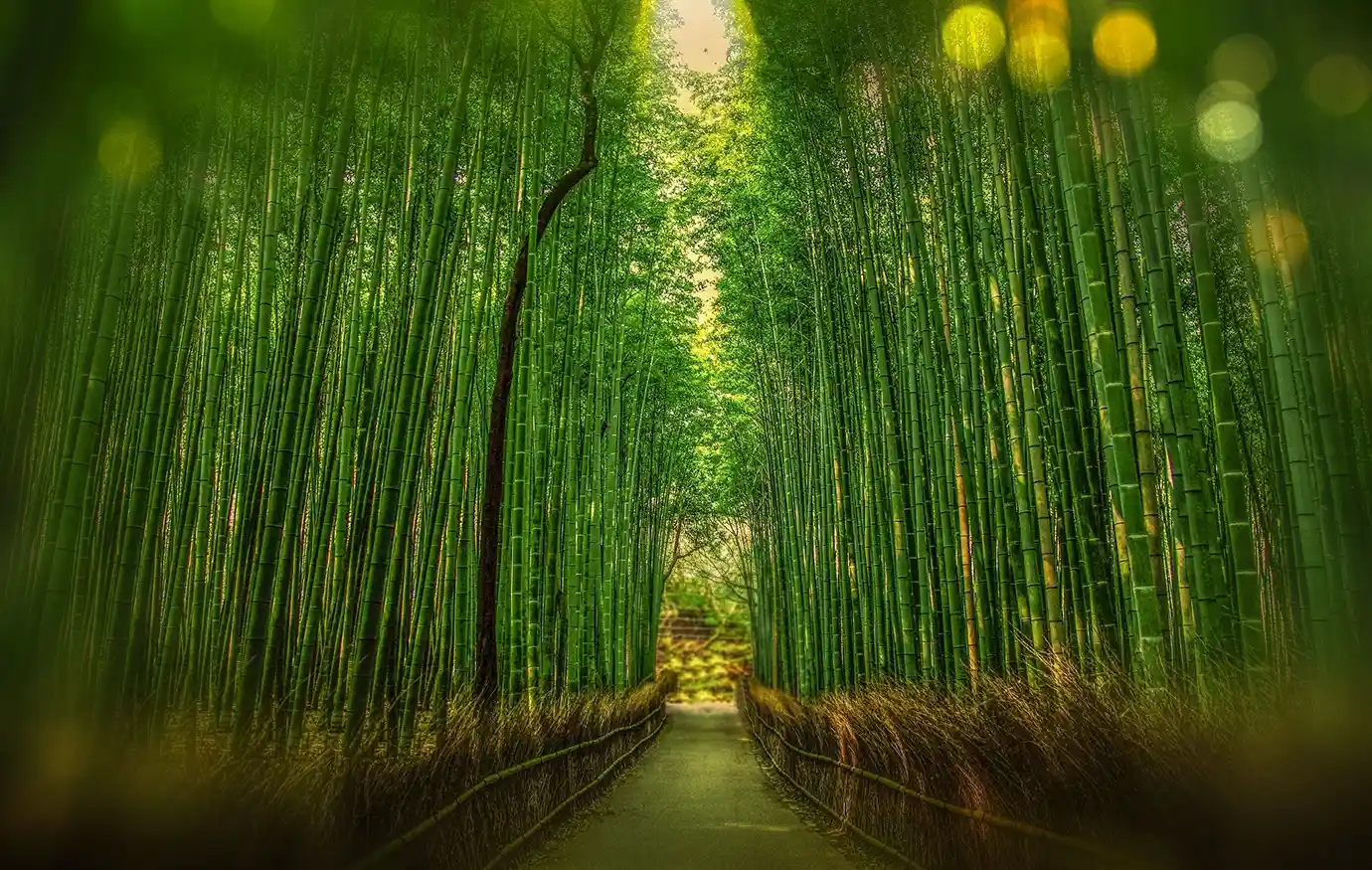
- 7:00 a.m. Head to Arashiyama by the JR Sagano line or bus.
- 7:45 a.m. The bamboo grove, empty only in this early window.
- 8:30 a.m. Tenryu-ji temple and its pond garden.
- 10:00 a.m. The Togetsukyo Bridge and the Sagano lanes.
- 12:30 p.m. Lunch in Arashiyama.
- 2:00 p.m. Back to central Kyoto for Kinkaku-ji, busy at any hour.
- 4:00 p.m. Nishiki Market for snacks and souvenirs.
- 6:00 p.m. Forward your bags to Osaka, then take the train, about fifteen minutes by bullet train or thirty by rapid.
- 8:00 p.m. Check in, then eat your way down Dotonbori, from takoyaki to okonomiyaki.
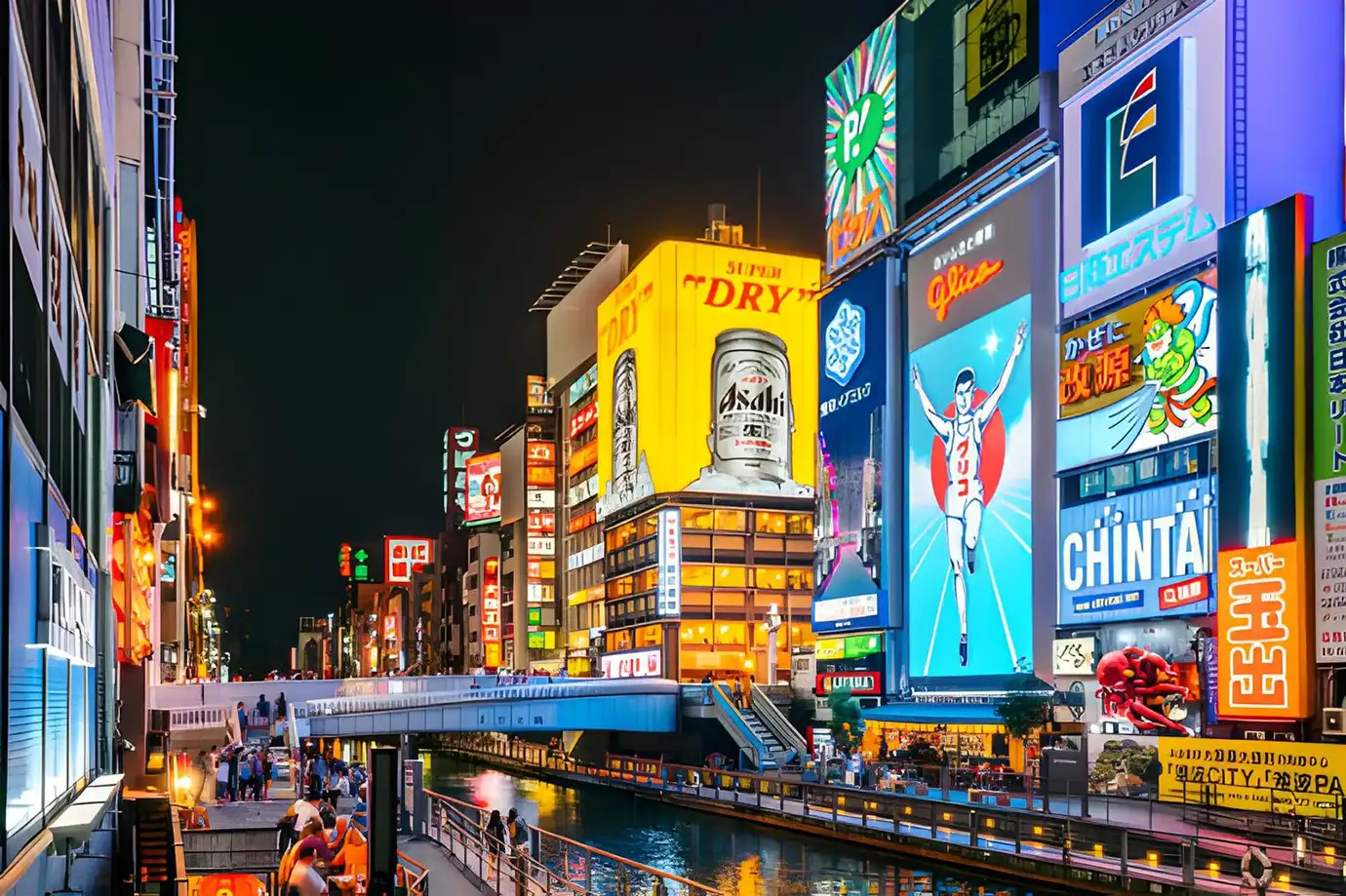
Day 7: Osaka Morning, Fly Out From Kansai
Day seven fits a short Osaka morning before your flight. It works for an afternoon or evening departure, so plan an earlier airport run if you fly out before noon.
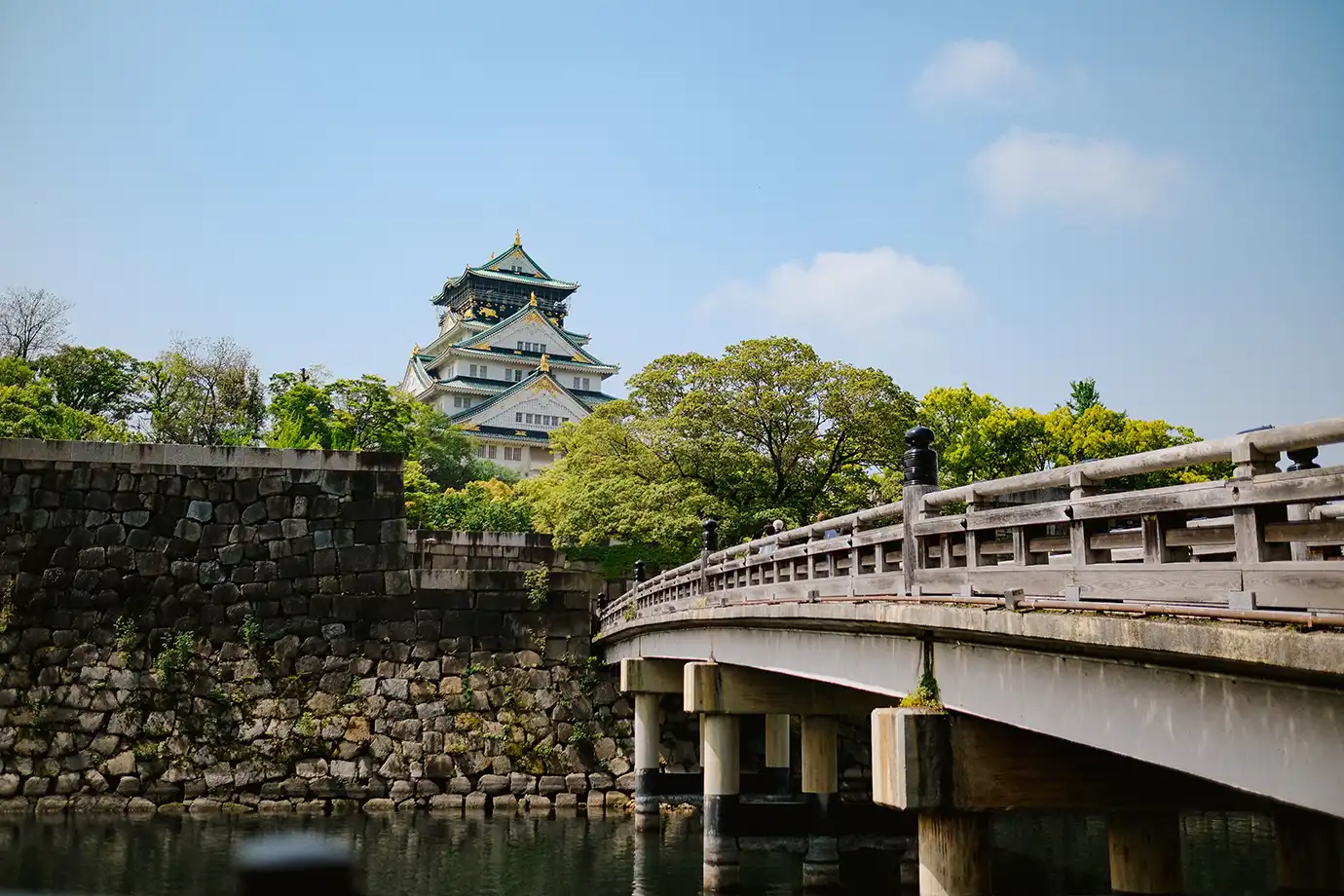
- 7:30 a.m. Breakfast at the hotel or the Kuromon Ichiba market.
- 8:30 a.m. Osaka Castle grounds, with the museum inside optional.
- 10:30 a.m. A short Namba or Umeda walk if your flight allows.
- 12:30 p.m. Lunch, then check out.
- 2:00 p.m. Ride the Nankai Rapid or the JR Haruka to Kansai Airport, about forty minutes.
- 3:00 p.m. Arrive at the airport three hours before an international flight.
The Hour-by-Hour Strategy Behind This Route
The timing works because Japan’s big sites empty out before 9:30 a.m. and fill fast after. Mornings are for temples and photos, middays for a real rest, and evenings for food and neighborhoods. Build every day on that arc.
Why 9:30 a.m. Is the Threshold
Tour buses leave the hotels between 8:30 and 9:00 and reach the big sites by 9:30 to 10:30. Every site on this route, from Fushimi Inari to the Arashiyama bamboo grove, is calm at 7:30 and packed by 10:00. A morning-heavy plan is not preferred. It is the mechanism that makes the week work.
Why Every Day Has a Lunch Buffer
Each day includes a 90-minute lunch and rest, not a long meal but a real pause. The break resets your energy for the afternoon and evening. Skip it, and the mid-afternoon crash flattens the rest of your day. On a tight trip, the buffer is what keeps the pace human.
Why Mornings and Evenings Feel Different
Mornings and evenings run on opposite energy, by design. Mornings are quiet temple walks and photos, low effort and calm. Evenings shift to eating, drinking, and wandering bright streets, social and easy on the legs. Ordering your days along that arc avoids the burnout that wrecks packed itineraries.
What This Route Skips on Purpose
The plan leaves out Nikko, Hakone, Mount Fuji, Nara, Hiroshima, Miyajima, and Kanazawa. Everyone is worth a visit on a longer trip. None fits into seven days without breaking the pace. Naming what you skip is part of planning the week well.
The Luggage-Forwarding Plan in Detail
Forward your suitcases twice on this trip, Tokyo to Kyoto and Kyoto to Osaka, using Takkyubin. Hand your bags to the hotel front desk in the evening, and they will be delivered to the next hotel the next day. You carry only a small overnight bag on travel days.
How Takkyubin Works
Yamato Transport takes suitcases at hotel front desks, convenience stores, and airport counters. It delivers them from hotel to hotel the next day for a modest per-bag fee. The service is fast and careful, and locals use it all the time. Your hotel will fill out the slip with you and arrange the pickup.
The Forwarding Schedule
Two evenings carry your bags forward:
- Day 3 evening: send your bags from the Tokyo hotel to the Kyoto hotel before the front-desk cutoff, usually around 10:00 p.m.
- Day 6 evening: send them from Kyoto to Osaka the same way.
- Day 7 morning: your suitcase is waiting in Osaka, ready for the airport.
What Goes in Your Overnight Bag
Pack one small bag for the nights your suitcase is in transit:
- A change of clothes and toiletries.
- Your phone charger and any medications.
- One nicer top for a kaiseki dinner.
Save the next hotel’s address in Japanese before you travel. Or let your current hotel arrange the forwarding for you, which most will do for just the courier fee.
Where to Stay in Each City
Base in Shinjuku for Tokyo, near Kyoto Station for Kyoto, and in Namba for Osaka. Each pick favors fast transit and easy access to the day-by-day plan above, with atmospheric alternatives if you prefer character over speed.
Tokyo, Three Nights
Stay in Shinjuku for the best transit and the widest choice of food and evenings. It puts you a short ride from every Tokyo sight on this route. Ginza is the calmer, upscale alternative, while Asakusa offers old-city character near Senso-ji.
Kyoto, Two Nights
Base near Kyoto Station for this tight trip, since it gives you fast bullet-train access and a quick run to Fushimi Inari. The trade-off is a lack of old-town character. If a machiya townhouse stay matters more, base in Higashiyama and accept an extra twenty minutes to the station each morning.
Osaka, One Night
Stay in Namba for your single Osaka night, right at the edge of the Dotonbori food streets. It puts the city’s best eating at your door for the one evening you have. Umeda is the alternative if you want a faster airport run the next day.
What to Skip on a 7-Day Trip
Skip Mount Fuji, Hiroshima, Nara, Kanazawa, and Nikko on a 7-day trip. Each needs more time than the week allows, and forcing them in breaks the pace. Save them for a 10-day or 14-day return.
Mount Fuji
Skip the Fuji day trip on a week-long visit. It runs 12 to 14 hours door to door, with better-than-even odds of cloud hiding the mountain. The time cost is too high for one week. Save Fuji for a longer trip when a lost day hurts less.
Hiroshima, Nara, and Kanazawa
Leave these three for a longer trip. Hiroshima sits about three hours each way by bullet train and deserves an unhurried visit. Nara is lovely, but overlaps with Kyoto on a tight week. Kanazawa needs hours of transit and two days of its own, which a seven-day route cannot spare.
Nikko and the Second teamLab
Two smaller add-ons also miss the cut. Nikko is a full day from Tokyo, so take it only in place of Day 3’s modern-Tokyo plan, never on top of it. And one teamLab site is plenty, so skip the second location and save yourself a few hours.
Should You Book This as a Package or Plan It Yourself?
Plan it yourself if you enjoy the logistics and have traveled in Asia before. Book a Japan package if you have limited time, your dates fall during peak season, or you want reservations and transfers handled. On a trip this tight, the package mostly buys back planning time and reduces risk.
When Doing It Yourself Works
Doing it yourself works if you are comfortable with rail apps, Google Maps, and English-language menus at restaurants, and you have booked busy trips before. Start early, since Kyoto hotels fill up months in advance during peak season. Give yourself a solid two months of lead time, and more for sakura or autumn dates.
When a Package Earns Its Cost
A package earns its cost for travelers who cannot spare hours on research. It suits first-time visitors to Asia, couples where only one person will plan, and anyone who wants kaiseki tables and specialist restaurants booked in advance. It also helps during peak season, when booking pressure builds, and small mistakes get expensive.
Frequently Asked Questions
Is 7 Days Enough for Japan?
Yes, 7 days is enough for a strong first trip if you stick to three cities. Tokyo, Kyoto, and Osaka on the Golden Route fit a week well, with about four full sightseeing days once you subtract travel. You will not have time for Hiroshima, Fuji, or Kanazawa. Move early each day, and the week feels full but not frantic.
Can I Include Mount Fuji in a 7-Day Itinerary?
You can, but it is rarely worth it. A Mount Fuji day trip lasts 12 to 14 hours and often ends in cloud cover, with no clear view of the mountain. On a seven-day trip, that day is better spent in Kyoto or Osaka. Save Fuji for a longer visit, or settle for a distant winter view from a Tokyo observation deck.
Should I Fly Into Tokyo and Out of Osaka?
Yes, fly into Tokyo and out of Kansai Airport near Osaka. An open-jaw ticket lets you travel one way and saves you a full day you would otherwise lose returning to Tokyo. Kansai connects to most major hubs, so check direct routes from your city. Book it as a single multi-city fare rather than two one-ways.
Is a Japan Rail Pass Worth It for 7 Days?
No, a Japan Rail Pass is usually not worth it for this route. You take only two bullet train legs, Tokyo to Kyoto and Kyoto to Osaka, plus light local travel. Point-to-point tickets cost less than the 7-day pass. Note too that the pass does not cover the fastest Nozomi trains, so you would ride the slightly slower Hikari.
How Much Walking Is on This Itinerary?
Expect a fair amount, often 15,000 to 20,000 steps a day. Temple grounds, shrine paths, and city districts all involve walking, and Fushimi Inari and Kiyomizu-dera add stairs and slopes. Wear broken-in shoes and pace yourself with the built-in lunch breaks. If mobility is a concern, use taxis between Kyoto’s temple clusters to cut the load.
Can I Do This Trip With Kids?
Yes, with a few tweaks. Children do well with teamLab, the Shibuya crossing, Nara’s deer, if you swap a day, and Osaka’s food streets. Cut one temple each day to keep energy up, and lean on convenience stores and casual restaurants for quick meals. Limit the early starts to the two or three sites that truly need them.
The Bottom Line on a 7-Day Japan Trip
A 7-day Japan itinerary works when you treat the week as a focused sprint through Tokyo, Kyoto, and Osaka. Fly open-jaw, forward your bags, reserve your train seats, and start each day by 7:30 a.m. Skip the far-flung add-ons, eat well, and let the mornings carry the sightseeing while the evenings carry the fun.
If you would rather have the whole week arranged, with reservations, transfers, and luggage forwarding handled, Peregrine’s express Japan trip can do it. Bring your dates, and the route above can be booked and timed around your flights.