


The best time to visit Azerbaijan depends on what you want from the trip, and the country rewards every season differently. April to June and September to October give the most comfortable conditions across the whole country — temperatures are mild, all roads are open, and both culture and nature are at their peak. Winter belongs to skiers and budget travelers. Summer belongs to the Caspian coast and the northern mountain villages.
Below you will find each season broken down with real temperatures, festival timings, and the practical booking traps that catch most first-time visitors out.
What Is the Best Time to Visit Azerbaijan?
April to June and September to October give the best conditions across the whole country. Baku stays warm without summer humidity. Mountain roads open fully. Wildflowers cover the Caucasus foothills in spring, and harvest festivals fill the calendar in autumn. Crowds stay moderate, and hotel rates sit below midsummer peaks.
May and October are the two strongest single months. Azerbaijan holds nine of the world’s eleven climate zones. Baku, Sheki, and Shahdag can feel like three different countries on the same day.
Spring (April to June): The Sweet Spot for Culture and Nature
Spring delivers the most comfortable weather of the year for sightseeing. Baku averages around 17°C in April and climbs to about 22°C by May. Snowmelt opens the lower Caucasus trails, wildflowers cover the valleys around Sheki, and the Old City stays walkable all day. April and May count as high season for cultural travel.
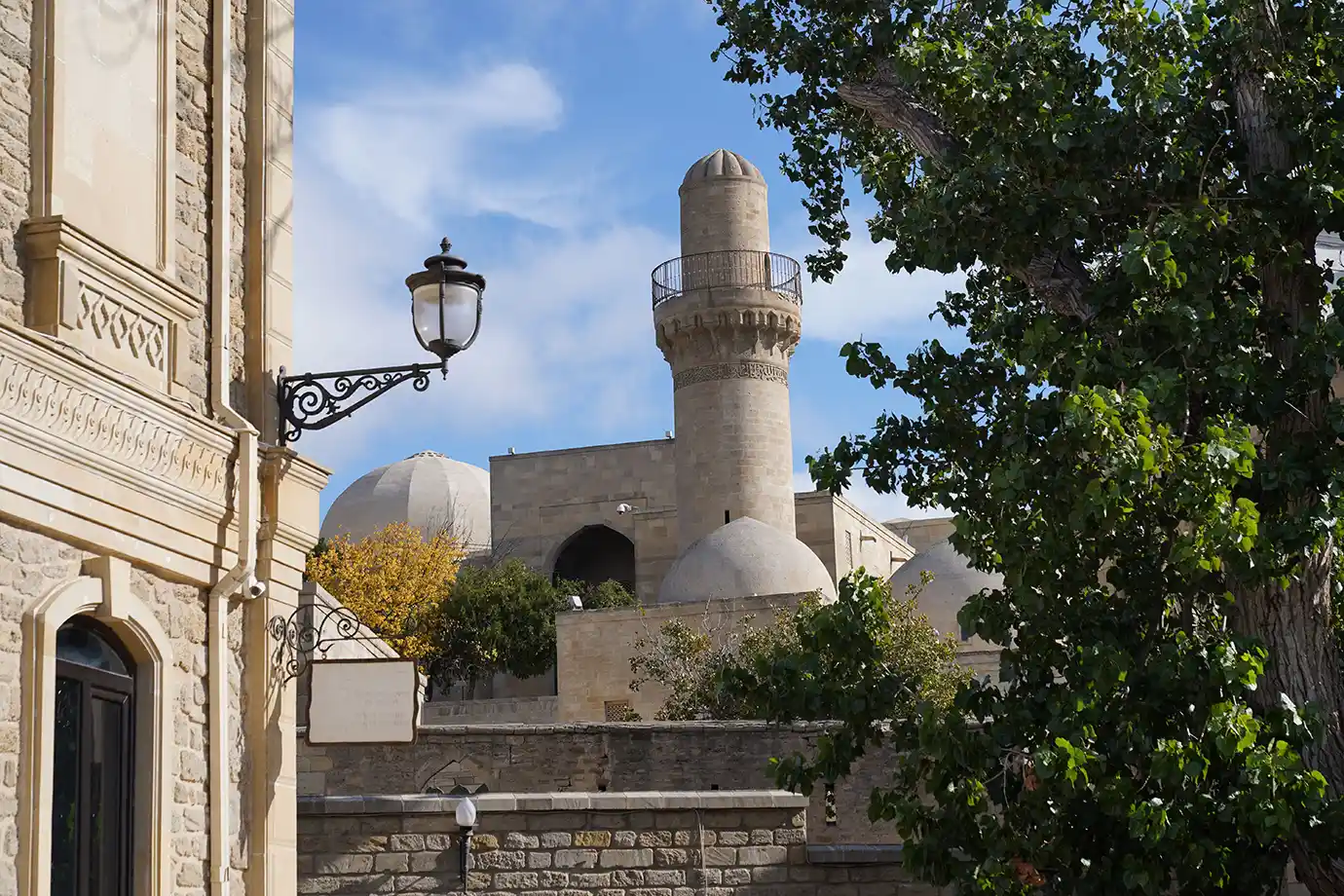
What Spring Looks Like on the Ground
The foothills around Sheki and Gabala turn green within about two weeks in April. Meadows fill with poppies and wild iris. Lower-altitude hiking opens first. High passes stay snowbound into June.
Baku’s Old City is at its best now. Stone lanes hold warmth without the July heat, and you can walk the walls at midday.
Spring Festivals
Novruz Bayrami falls on March 20 and 21, marking the spring equinox and the Persian New Year. Celebrations run for days around those dates. Bonfires, fire-jumping, painted eggs, wrestling matches, and tightrope walkers fill town squares. Families prepare pakhlava and shekerbura in every household.
Here is the practical warning nobody gives you. Official holidays fall roughly between March 20 and 24, and many Azerbaijanis travel to their family homes. Smaller shops and restaurants close from around March 19 to 22. Hotels in Sheki, Gabala, and Guba book out weeks ahead. Plan Novruz travel early or plan around it entirely.
The Baku Flower Festival takes place in May, usually around May 10. Displays fill Baku Boulevard with blooms shipped from around the world.
Who Should Travel in Spring
Spring suits culture-focused travelers, photographers, and anyone doing the Baku-Gabala-Sheki circuit. Families find the temperatures easy on children. Skip spring if you want beach time. The Caspian Sea stays cold until late June.
Summer (July to August): Beach Breaks and Highland Escapes
Summer turns Baku hot and humid, with temperatures between 28°C and 35°C. The inland Kur-Araz plains run hotter still, often exceeding 40°C. Travelers escape to the Caspian coast for swimming or head into the northern Caucasus, where the mountain air stays 10 to 15°C cooler than the capital.
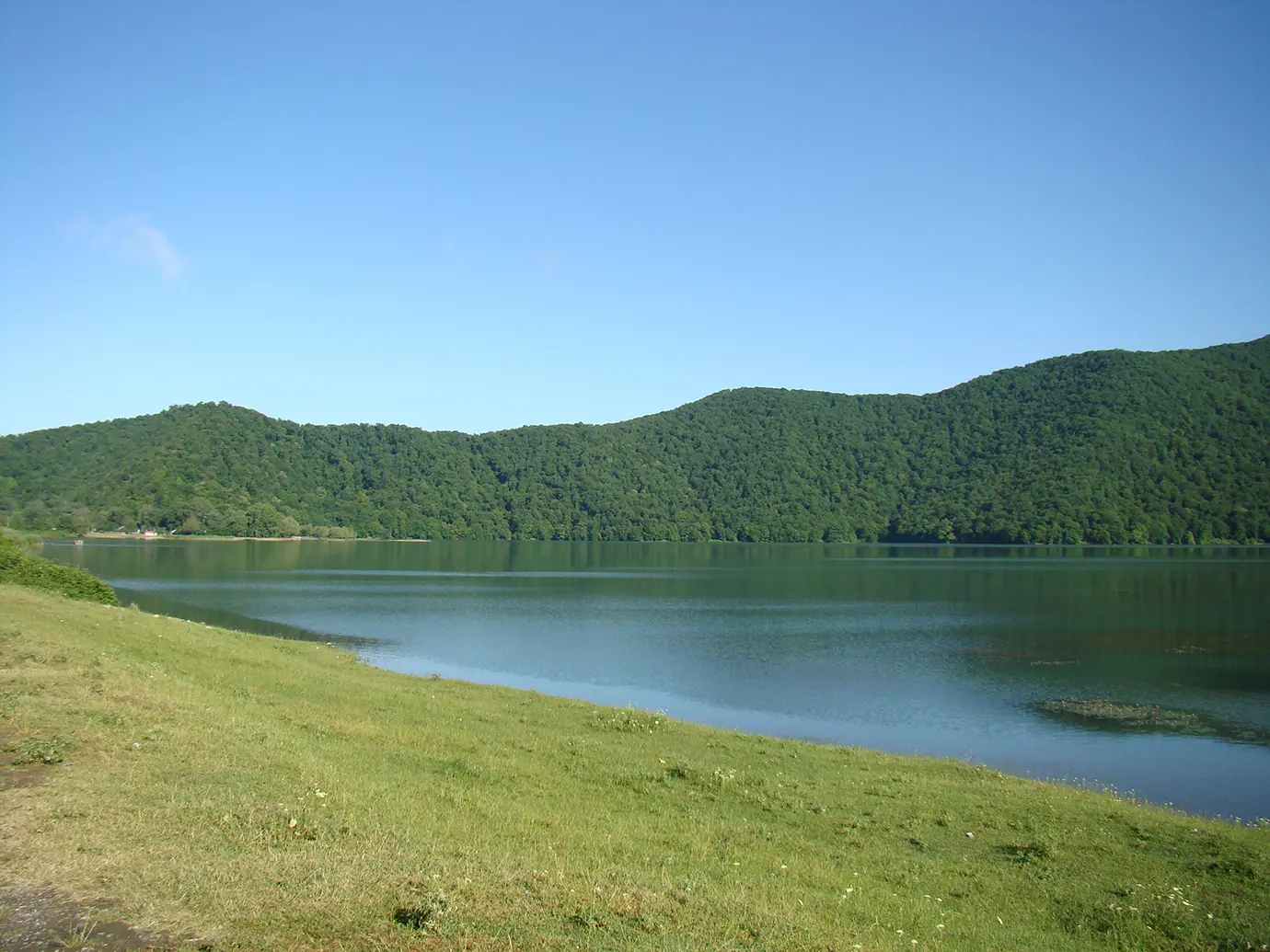
Handling the Heat in Baku
Baku heat reshapes how you plan each day. Explore the Old City, Gobustan, and the Absheron fire sites before 09:00 or after 17:00. Midday is best for the Heydar Aliyev Center, museums, and anywhere with air conditioning.
The khazri, Baku’s north wind, brings genuine relief in summer. Locals welcome it. The same wind turns brutal in winter.
Where to Go Instead
Gabala sits at around 750 meters and runs far cooler than the coast. Forest, waterfalls, and the Tufandag cable car all work well in July.
Qusar and the Shahdag area climb higher again. Shahdag’s base sits at 1,435 meters, and summer hiking there is genuinely comfortable.
The Caspian coast north of Baku holds beach resorts at Bilgah and Nardaran. Water temperatures reach 24-26°C in July and August.
Set expectations honestly. Absheron beaches are functional rather than tropical.
Summer Festivals
The Gabala International Music Festival runs from late July into early August. Founded in 2009, it brings international orchestras, soloists, and chamber ensembles to an open-air mountain setting.
Many concerts are free to attend. Bring a blanket and arrive early.
Who Should Travel in Summer
Summer suits families wanting beach time, mountain hikers, and classical-music travelers, who can time a trip around Gabala. Avoid a Baku-heavy itinerary in late July and early August unless the heat does not bother you.
Autumn (September to October): Harvests and Golden Foothills
Autumn is the strongest season for scenery and Azerbaijani food. September averages around 26°C in Baku, cooling to roughly 19°C by October. Caucasus foothills turn gold and copper, harvest festivals run across the country, and hiking around Lahij and Sheki is at its finest.
Why October Is the Best Hiking Month
Trails stay open, temperatures sit in the teens, and the forests change color through the Sheki and Lahij valleys. Rain increases toward late October. Pack a light waterproof layer. Mountain guesthouses begin closing from November. Travel in the first three weeks of October to be safe.
Autumn Festivals and Harvests
Grape harvest runs from September into October across Shamakhi, Ganja, and Gabala. Family wineries welcome visitors, and tastings Azerbaijan Travel cost little. Azerbaijan’s wine tradition runs long and quietly. Madrasa and Bayan Shira are the local grapes worth asking for.
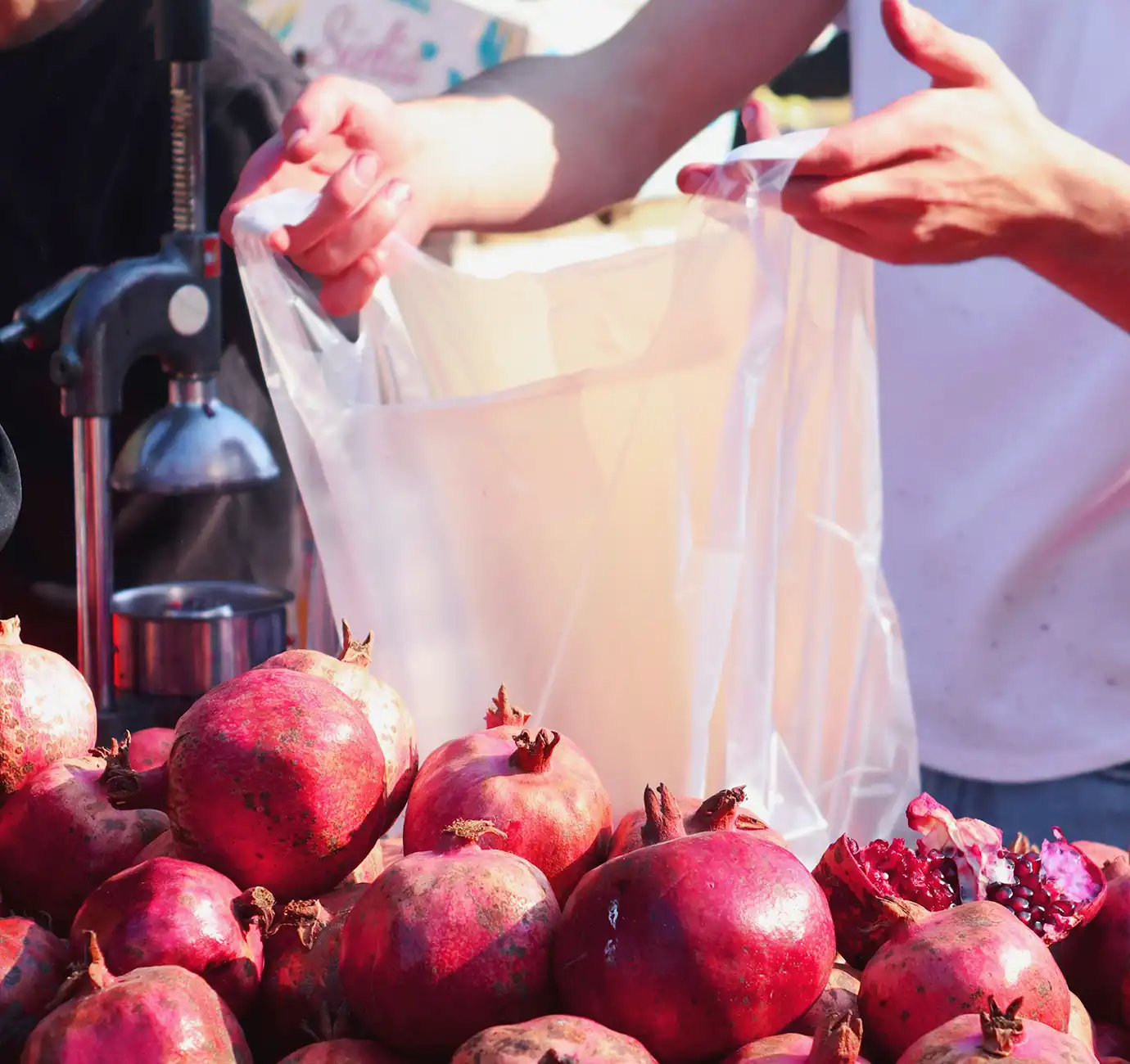
Nar Bayrami, the Goychay Pomegranate Festival, takes place in late October or early November. Goychay grows more than 60 pomegranate varieties. The festival is on UNESCO’s Intangible Cultural Heritage list. Expect tastings, narsharab sauce, pomegranate wine, folk concerts, eating contests, and fireworks.
Goychay sits directly on the Baku-Sheki road. Slot it into an overland trip if your dates line up.
The Baku Jazz Festival brings traditional and contemporary artists to the capital each autumn. Concert venues are spread across the city.
Who Should Travel in Autumn
Autumn suits food-and-wine travelers, hikers, and photographers. Anyone wanting the countryside at its most photogenic should target October.
Winter (December to March): Skiing, Spas, and Low-Season Prices
Winter is Azerbaijan’s low season and its best value. Baku sits between 5°C and 8°C, while mountain regions drop to around -3°C. Flights and hotels are at their annual lowest prices. Ski resorts at Shahdag and Tufandag operate from roughly mid-December through early April.
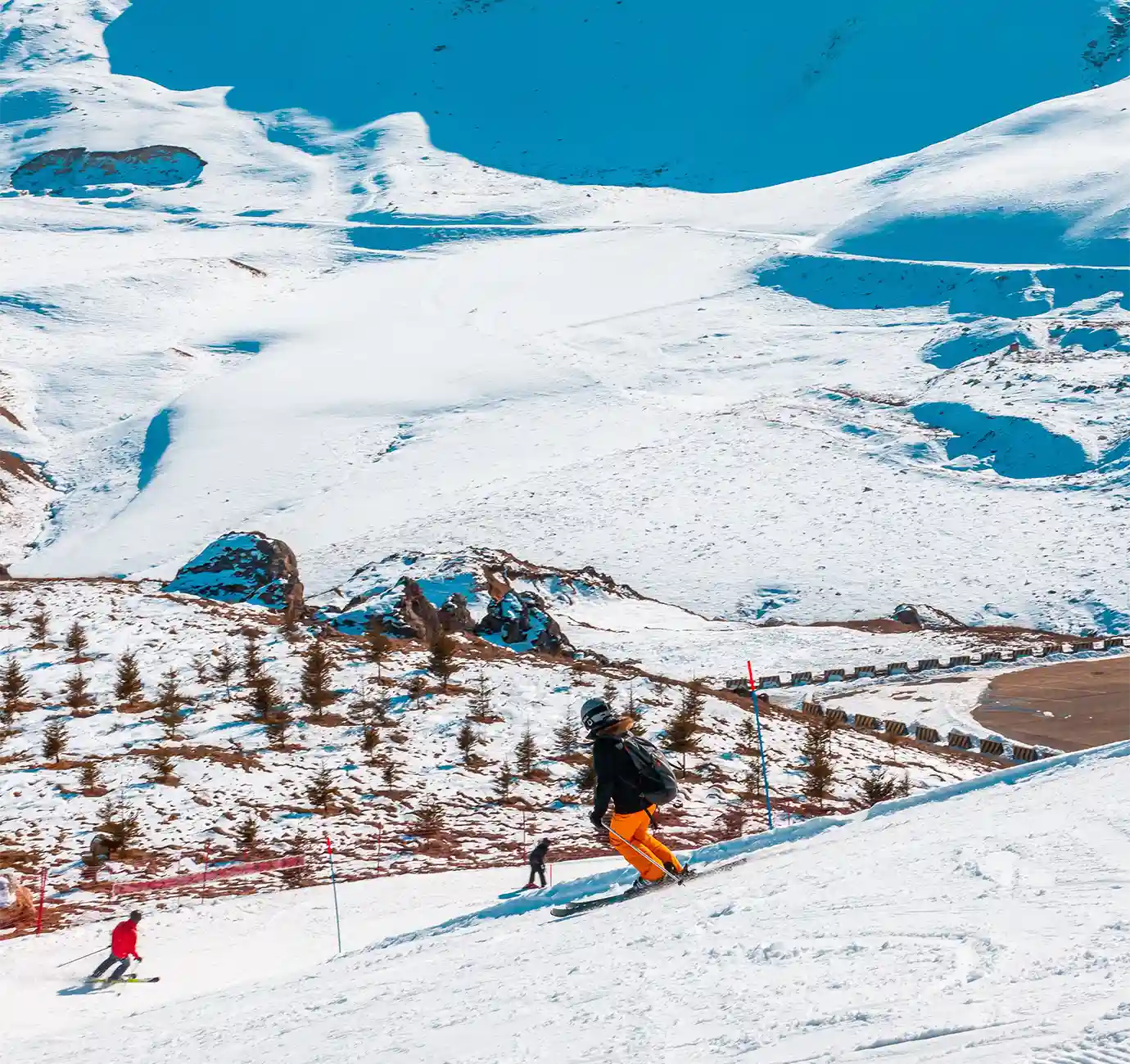
Skiing in Azerbaijan
Shahdag Mountain Resort is the country’s largest ski area, about 200 kilometers from Baku near the town of Qusar. Slopes run from 1,435 meters up to roughly 2,525 meters. The resort holds around 45 kilometers of piste across beginner, intermediate, and advanced runs. Snowmaking covers the full skiable area. The season typically opens in the second half of December and closes in early April, depending on snow.
Tufandag Mountain Resort at Gabala is the smaller and more accessible option. Gondolas climb from about 900 meters to roughly 1,920 meters. Tufandag suits beginners and intermediates. Shahdag suits skiers wanting more terrain.
Both are dramatically cheaper and quieter than Alpine equivalents.
Naftalan and Winter Spa Travel
Naftalan sits in central Azerbaijan and has built its reputation on therapeutic crude oil baths. Sanatoriums here treat joint and skin conditions using the local naphthalan oil.
The experience is unusual and not for everyone. The oil is warm, thick, and black. Winter is the natural season for it. Treatment stays are typically several days rather than a single visit.
Culture in the Cold Months
Chovgan, a traditional horseback game played on Karabakh horses, is UNESCO-listed for urgent safeguarding. Tournaments and demonstrations run at various points in the year rather than on a fixed public calendar.
Ask your operator whether any events fall in your travel window. Scheduling changes annually. Baku itself works well in winter. The Old City empties of the Azerbaijan group tour, and museum queues disappear.
Who Should Travel in Winter
Winter suits skiers, spa travelers, budget-conscious visitors, and anyone who prefers cities without crowds.
Skip winter if your priority is the Baku-Gabala-Sheki overland circuit. Mountain roads slow considerably, and daylight runs short.
Month-by-Month Temperature Guide
Figures below cover Baku and the surrounding lowlands. Mountain regions run 8 to 15°C cooler.
| Months | Baku Average High | Season Character |
|---|---|---|
| January–February | 5–7°C | Cold, off-peak, ski season |
| March | ~10°C | Spring thaw, Nowruz holidays |
| April–May | 15–22°C | Peak cultural season, mild |
| June–August | 27–32°C+ | Hot and humid, beaches and mountains |
| September–October | 17–26°C | Moderate, harvest season |
| November–December | 7–11°C | Cooling, rain increases, ski opens |
Inland plains run hotter than Baku in summer. Sheki, Gabala, and Qusar run cooler year-round.
Best Time by Activity
Different trips have different optimal windows. Match your dates to what you actually want to do.
| Activity | Best Months | Avoid |
|---|---|---|
| Baku sightseeing | Apr, May, Sep, Oct | Jul–Aug midday heat |
| Sheki and Gabala circuit | Apr–Jun, Sep–Oct | Dec–Feb road conditions |
| Caucasus hiking | May–Jun, Sep–Oct | Nov–Apr snow |
| Caspian beaches | Jul–Aug | Oct–May cold water |
| Skiing | Late Dec–Mar | Apr–Nov |
| Wine and harvest | Sep–Oct | In winter, vines are dormant |
| Budget travel | Nov–Mar | Jul–Aug peak rates |
| Gobustan, desert sites | Apr–May, Oct | Jul–Aug, no shade |
When Should You Avoid Traveling to Azerbaijan?
Two windows cause the most problems: the Novruz holiday period in late March and the peak heat of late July. Novruz closes small businesses and fills regional hotels. Late July makes sightseeing in Baku genuinely uncomfortable, with humidity compounding the heat, which is above 30°C.
November is quiet but wet. Rainfall increases, and mountain guesthouses start closing. February is cold everywhere, and it’s only worth it for skiing. None of these windows is unworkable. They need planning around them rather than walking into them.
Practical Seasonal Packing Notes
Spring and autumn: layers, a light waterproof jacket, and flat shoes with grip for cobblestones and trails.
Summer: sun hat, high-SPF sunscreen, and a wind layer for the Absheron coast. Bring a warm layer anyway for Tufandag and Shahdag.
Winter: insulated jacket, gloves, and proper footwear. Baku’s khazri wind makes 5°C feel considerably colder.
Year-round: a scarf for mosque interiors and a reusable water bottle, since tap water is not recommended for drinking anywhere in the country.
FAQs About the Best Time to Visit Azerbaijan
What is the best time to visit Azerbaijan?
May and October are the two strongest months. May gives you mild temperatures around 22°C in Baku, open mountain trails, and wildflowers across the Caucasus foothills. October brings golden foliage, harvest festivals, and the best hiking conditions of the year. Both months avoid summer heat and winter road restrictions while keeping hotel rates below peak.
Is Azerbaijan too hot in summer?
Baku reaches 28°C to 35°C in July and August, with humidity that makes midday sightseeing uncomfortable. Inland plains can exceed 40°C. Summer still works if you plan around it. Explore the city early or late, and base yourself in Gabala or Qusar, where the mountain air runs 10 to 15°C cooler than the coast.
When is ski season in Azerbaijan?
Shahdag Mountain Resort typically opens in the second half of December and closes in early April, depending on snow conditions. Shahdag is the largest ski area, spanning elevations from 1,435 meters to roughly 2,525 meters and offering about 45 kilometers of piste. Tufandag and Gabala offer a smaller, more accessible alternative for beginners and intermediates during a similar season.
Should I visit Azerbaijan during Nowruz?
Novruz falls on March 20 and 21, with official holidays running to around March 24. Celebrations are genuinely spectacular, with bonfires and street festivities nationwide. But many small shops and restaurants close from roughly March 19 to 22, and locals travel heavily. Book accommodation weeks in advance or schedule your trip around the holiday period instead.
When is the Pomegranate Festival in Goychay?
Nar Bayrami takes place in late October or early November, with early November most common. Goychay grows over 60 pomegranate varieties, and the festival appears on UNESCO’s Intangible Cultural Heritage list. Expect tastings, narsharab sauce, folk concerts, and fireworks. Goychay sits on the Baku-Sheki road, so it fits neatly into an overland route.
What is the cheapest time to visit Azerbaijan?
November through March offers the lowest flight and hotel prices, excluding ski resort towns during peak season. Baku, Sheki, and Gabala all price well below summer rates. Cities stay fully accessible, museum queues disappear, and restaurants keep normal hours. The trade-off is short daylight, cold weather, and slower mountain roads.