


Georgia rewards you with a genuinely different trip depending on when you arrive. The best time to visit Georgia is May–June or September–October, when temperatures are mild, crowds are manageable, and the country’s most compelling experiences — mountain hiking, wine harvest, and city exploration — are all fully accessible. Every other season has its own logic, too.
Read through this guide and match your travel window to what you actually want to do.
When Is the Best Time to Visit Georgia?
May–June and September–October are the two peak windows for most travelers. Temperatures sit between 18–26°C across the country, mountain passes are open, and you avoid both the summer heat spike in Tbilisi and the winter road closures in the highlands. September adds the grape harvest in Kakheti, which is reason enough on its own to visit.
If you are traveling specifically to ski, aim for January through March in Gudauri or Mestia. If you want the Black Sea, July and August at Batumi are your months. Georgia is compact — roughly 490 km from east to west — but its climatic zones are radically different. Tbilisi in August and Mestia in January are almost unrecognizable as the same country. Plan by activity, not just by date.
Month-by-Month Guide to Georgia’s Weather and Travel Conditions
January — Cold, Festive, and Remarkably Affordable
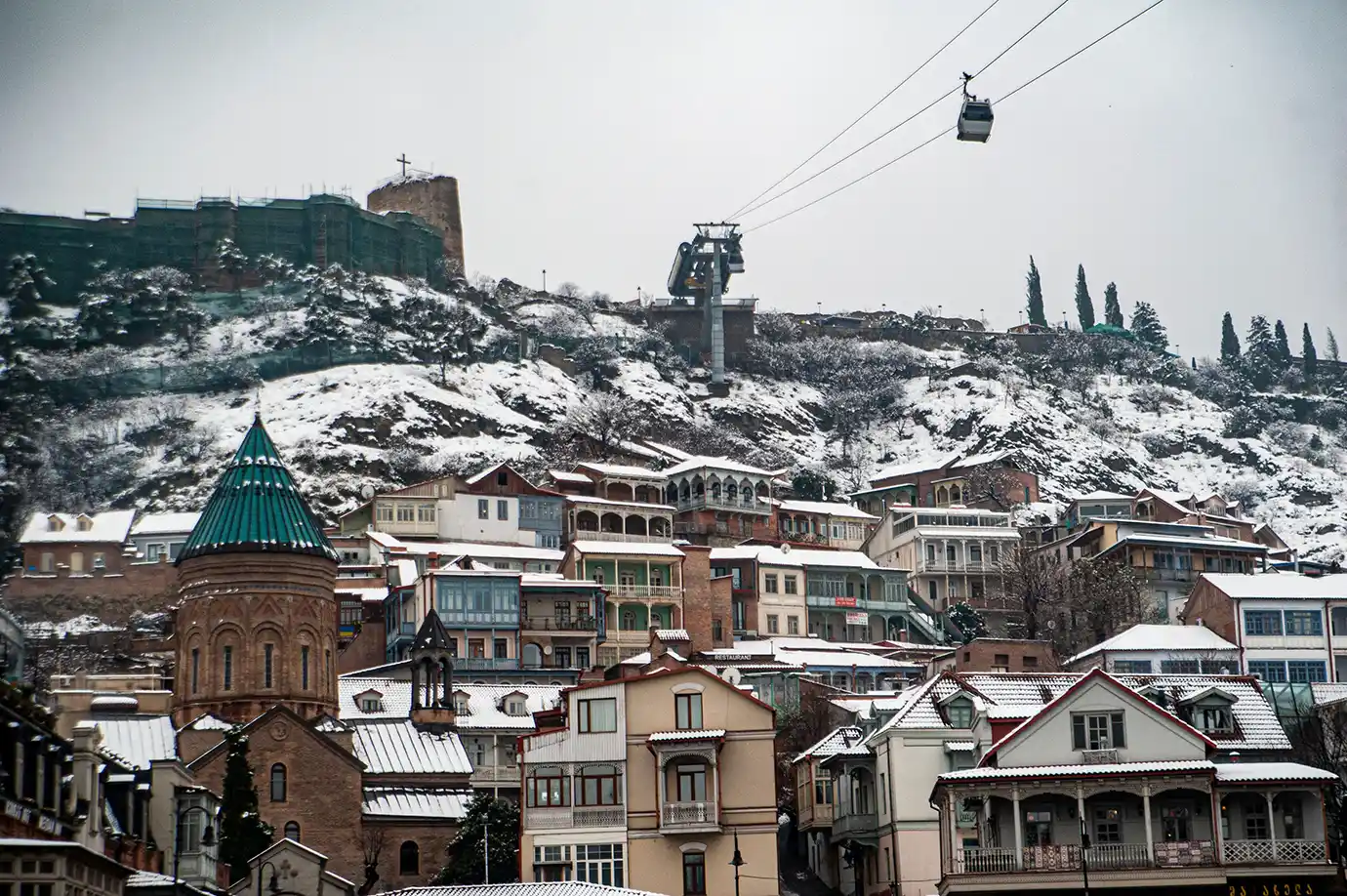
Tbilisi sits between 2–8°C in January, cold but rarely brutal. Snow is unusual in the capital, though the surrounding hills turn white.
Orthodox Christmas falls on January 7 (Georgia follows the Julian calendar). The Alilo procession fills Tbilisi’s streets with choristers, white-robed priests, and horse-drawn carts carrying gifts for children. Watching it from a café on Rustaveli Avenue with a glass of mulled wine is one of those experiences that stays with you.
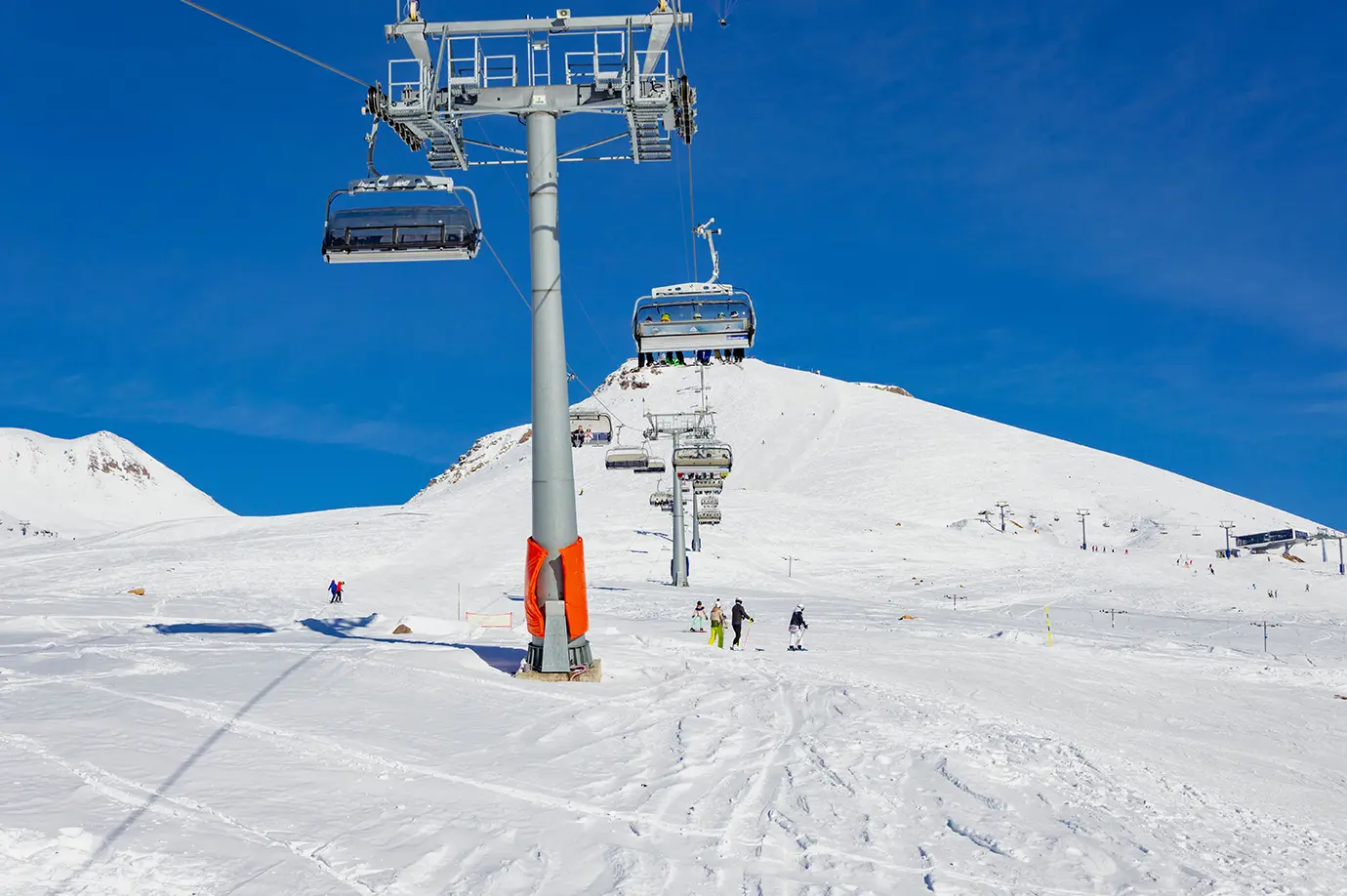
Gudauri ski resort, with a base altitude of 2,196 m, is operating at full capacity. Conditions are usually excellent through the end of the month. Hotel prices across the country are at their annual low — good news for budget-conscious travelers.
February — The Coldest Month, Best for Serious Skiers
February is Georgia’s coldest month, but Tbilisi remains manageable at 3–9°C. The ski resorts hit peak snow depth. Batumi and the Black Sea coast are quiet and grey — not worth visiting now.
The city of Tbilisi is genuinely pleasant in February for cultural travel. Sulfur bath queues are short, restaurants are unhurried, and you get a version of Tbilisi that most international visitors never see.
March — Spring Begins at Lower Elevations
Temperatures in Tbilisi climb to 6–15°C by the end of March. Wildflowers push through at lower altitudes. The mountain passes above Gudauri are still closed, and Kazbegi is inaccessible by road until late spring.
March is a transitional month. Tbilisi works well; the mountains do not yet. Good for a city-focused trip with day visits to Mtskheta and the Kakheti wine towns.
April — The City at Its Most Beautiful
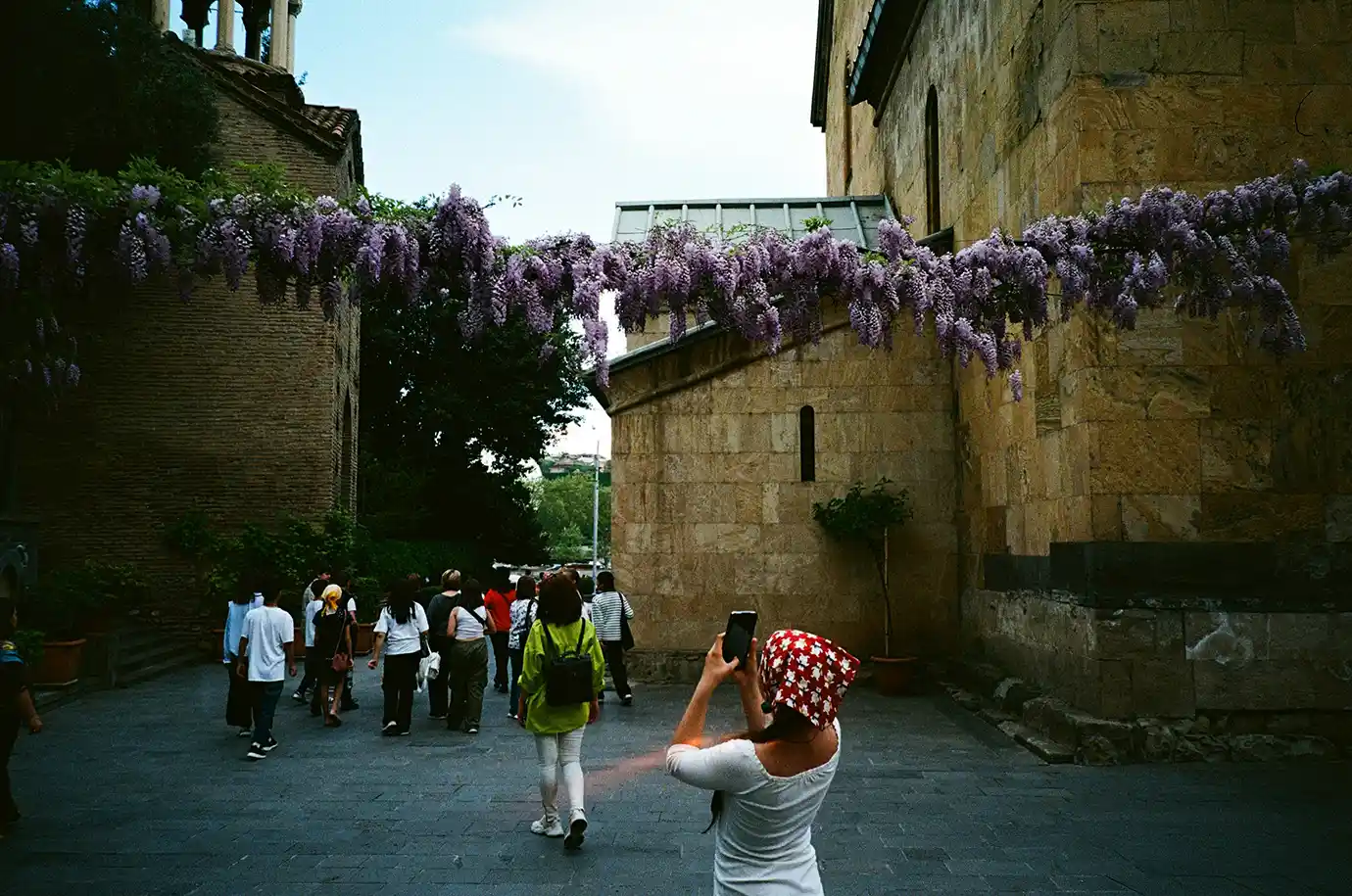
April is when Tbilisi turns green overnight. Parks and hillsides bloom. Orthodox Easter — celebrated on a different date from Western Easter, usually April or May — brings street processions and candlelit night services at Sioni Cathedral and Mtskheta.
Kazbegi becomes accessible by car toward the end of April, though the high trails remain snowbound. Wine cellars in Kakheti open their doors, and the landscape looks like a painting.
May — One of the Two Best Months to Visit Georgia
May is the single best month for a first visit. Tbilisi averages 18–24°C. The Kazbegi hiking season opens fully. Vineyards in Kakheti are lush and green, with the previous year’s wines ready for tasting. Svaneti becomes accessible by road.
The New Wine Festival takes place in Tbilisi in May — thousands of bottles from small-batch producers, poured in Rike Park beside the river. Entry is inexpensive, and the atmosphere is entirely local.
Crowds have not peaked yet. Hotel prices are still mid-range. The days are long. May is the sweet spot.
June — Full Season Without the Peak Crush
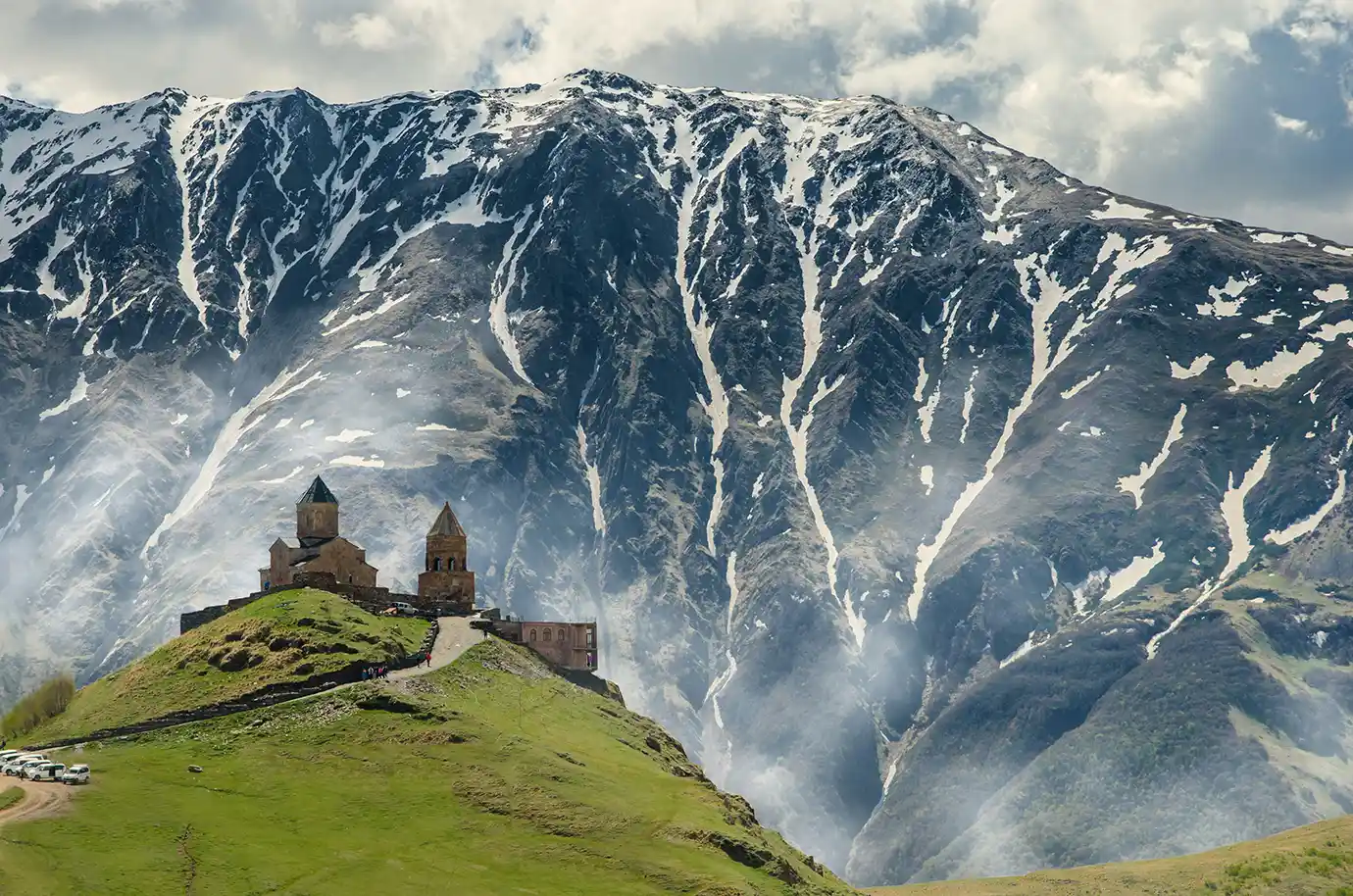
June delivers everything May has, with warmer temperatures and Svaneti fully operational for trekking. The Mestia–Ushguli route is snow-free by mid-June. Mountain evenings are cool enough to sleep comfortably without air conditioning.
The Art-Gene open-air festival runs in late June at Tbilisi’s Ethnographic Museum — folk music, traditional crafts, and Caucasian food from all regions. Tbilisi’s rooftop bar scene is at its most enjoyable.
Go in June if May is unavailable. The experience is nearly identical.
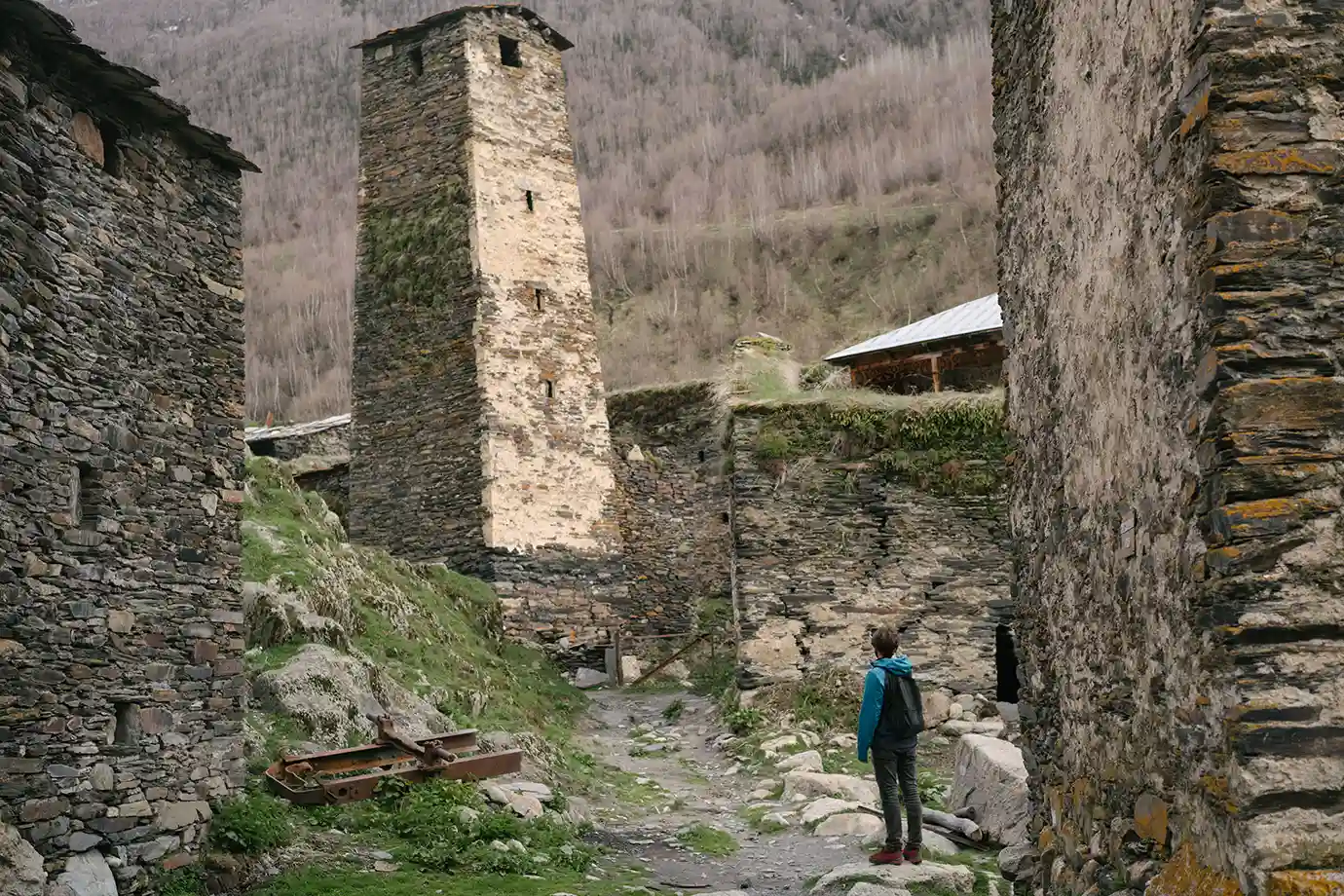
July — Peak Summer: Batumi, Yes, Tbilisi, With Caution
In July, Tbilisi regularly hits 30–38°C. Exploring Old Town between 10 am and 4 pm is genuinely uncomfortable. The city is manageable only in the early morning or after sunset.
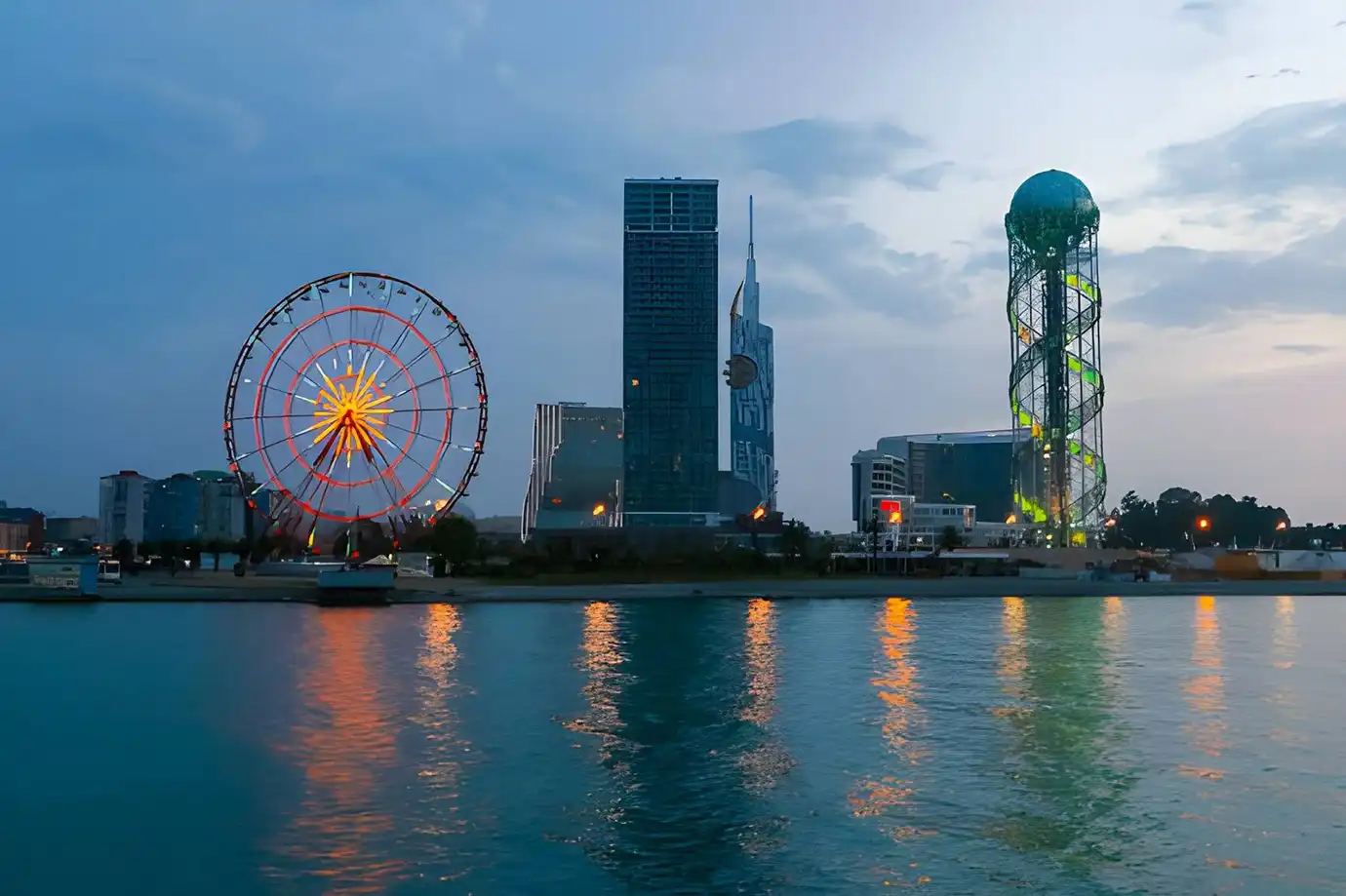
Batumi is a different story. The Black Sea water reaches 26°C. The boulevard is buzzing. July is the month to base yourself on the coast and take day trips inland to cooler Kutaisi or the Okatse Canyon.
The mountains — Kazbegi, Svaneti, Tusheti — are stunning in July. If your trip is mountain-focused, July is excellent. Just don’t add a Tbilisi city break in the middle of it.
August — Peak Season Across the Board
August mirrors July in temperature and adds more international crowds. Batumi accommodation fills weeks in advance. Tbilisi hotel prices hit their annual high.
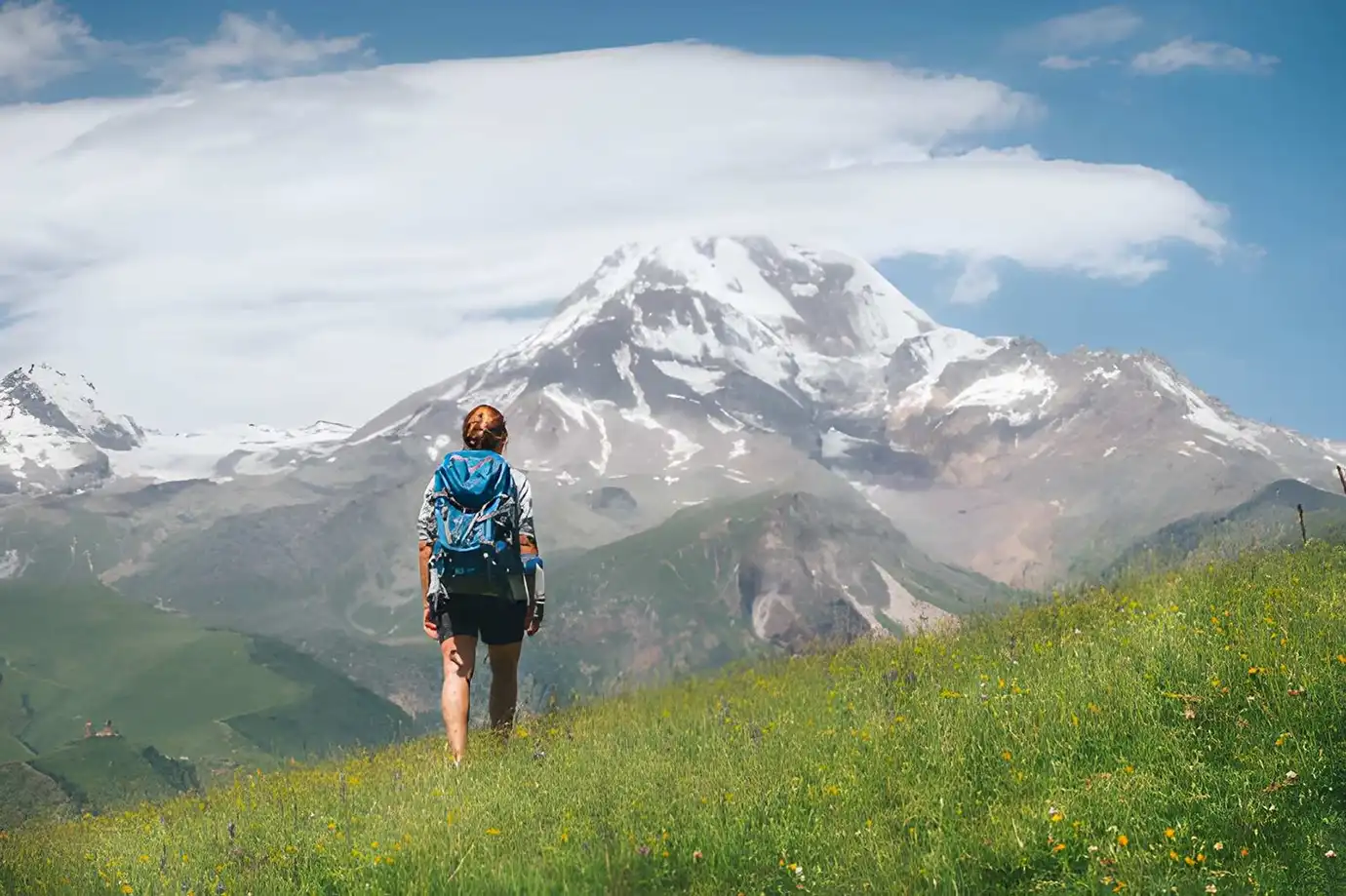
Mountain trekking is at its absolute best. The Mestia–Ushguli trail is fully snow-free. Kazbegi trails are dry, and the views from the Gergeti Glacier moraine, at roughly 3,000 m, are unobstructed.
If you are traveling in August, book accommodation at least six to eight weeks ahead for Batumi and Kazbegi.
September — The Best Single Month to Visit Georgia
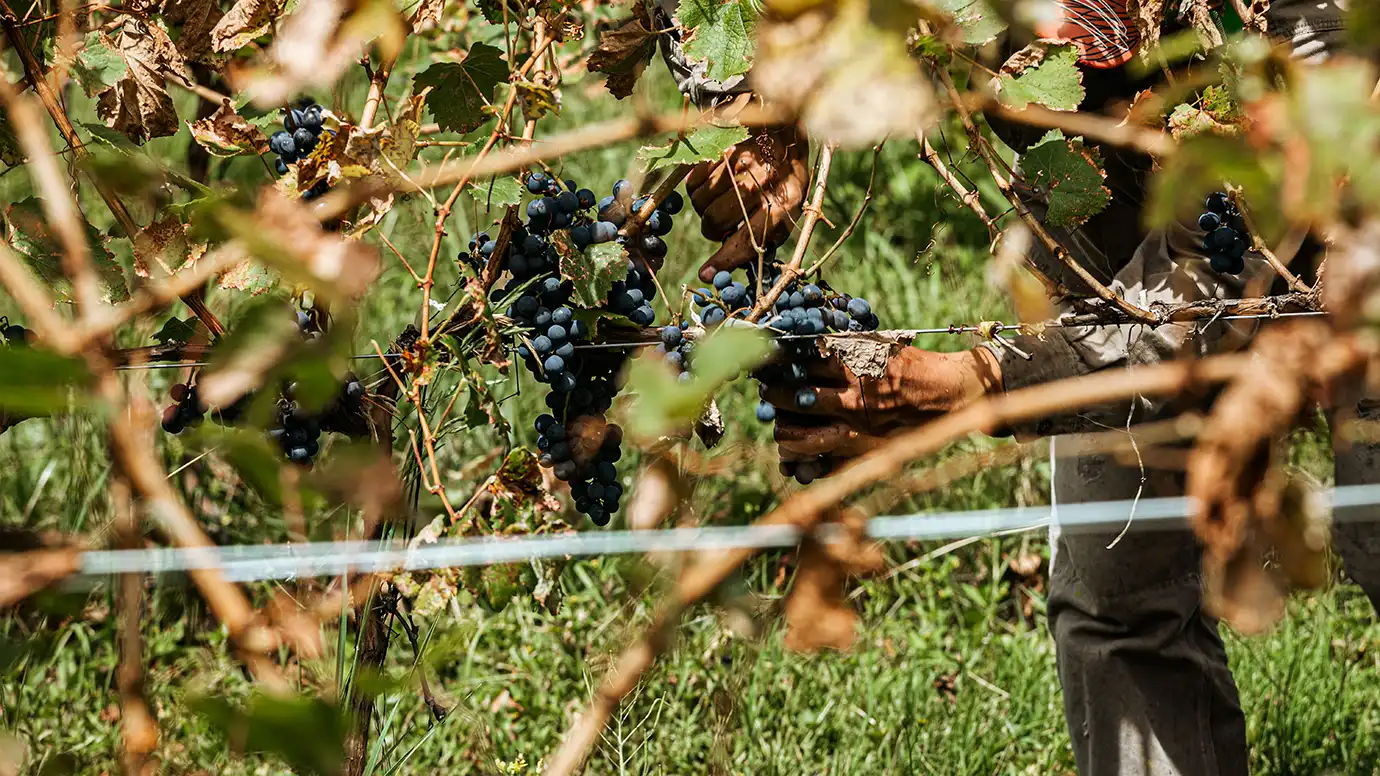
September is the strongest month for a first trip to Georgia. Temperatures in Tbilisi range from 20–26°C. The rtveli — the grape harvest — begins in Kakheti around mid-September. Family wineries open their cellars, and the smell of fermenting Saperavi fills entire valleys.
Mountain trails are still fully open. The summer crowds are thinning. Prices drop from August peaks. The light turns golden, and the Alazani Valley in Kakheti looks like nowhere else on earth.
If you can visit only once, visit in September.
October — Harvest, Foliage, and the Last Good Mountain Days
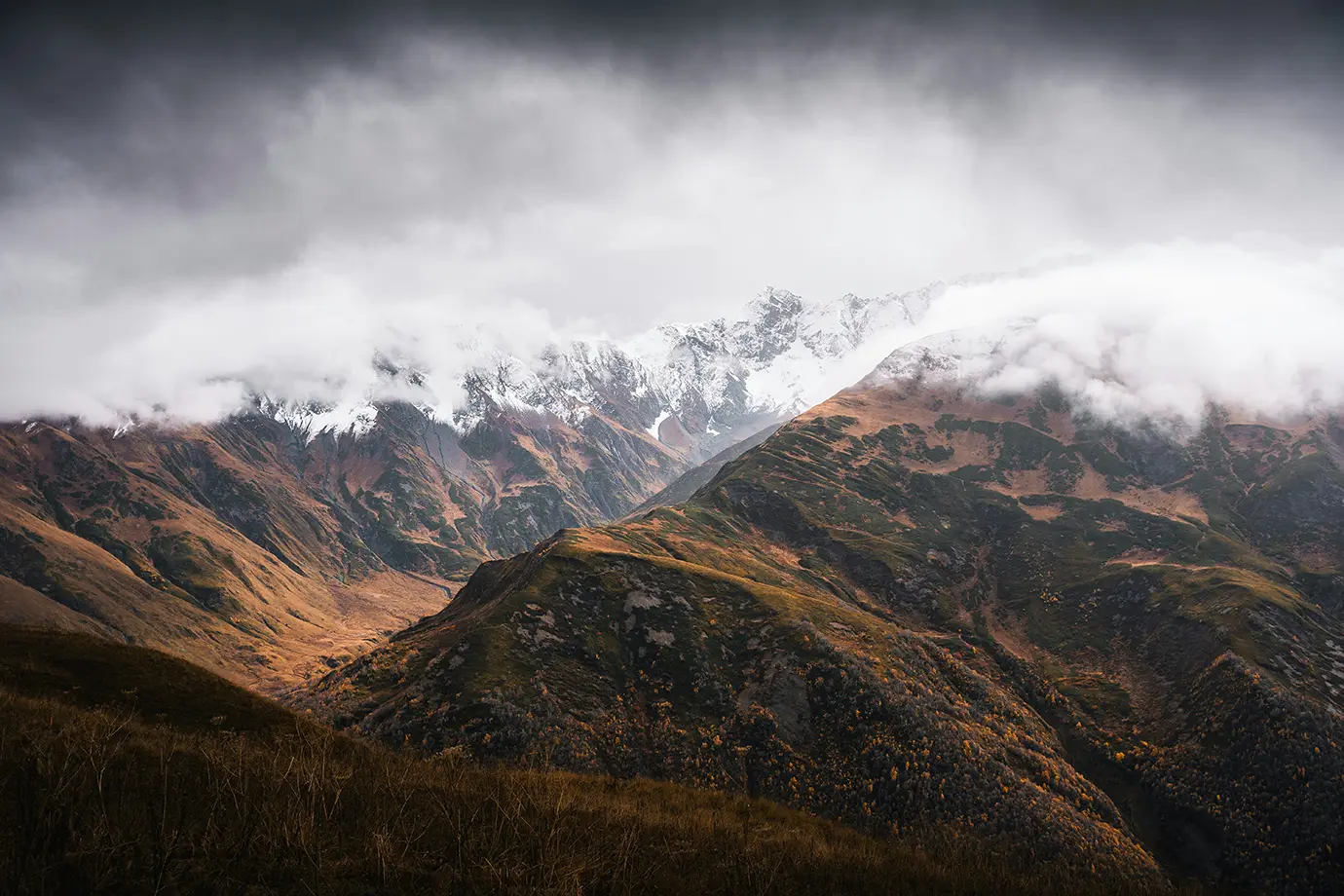
The Kakheti harvest continues into October, particularly in the western appellations. Foliage across Svaneti and Kazbegi turns red, amber, and deep copper. Tbilisoba — Tbilisi’s annual city festival — takes place in October, filling the streets with food stalls, folk performances, and wine.
On October 14, Svetitskhovloba brings pilgrims to Svetitskhoveli Cathedral in Mtskheta. Joining the crowds at that festival gives you a view of the Georgian Orthodox faith that no guided tour of Georgia can replicate.
Mountain lodges start closing by late October. If you are planning Svaneti or Kazbegi, go in the first two weeks of October at the latest.
November — Low Season With Quiet Rewards
Crowds disappear almost entirely. Tbilisi temperatures drop to 8–14°C on clear days, which is perfectly walkable. Hotels across the country drop their rates to low-season levels.
Mountain access becomes unreliable. The Georgian Military Highway to Kazbegi can close without warning. Svaneti is effectively finished for the trekking season.
November suits the traveler who wants Tbilisi, Mtskheta, Kakheti, and Batumi without another tourist in sight.
December — Festive Tbilisi and the Start of Ski Season
Christmas markets appear in Tbilisi from early December. Georgia observes both December 31 (civil New Year) and January 7 (Orthodox Christmas), so the city stays festive for two full weeks straddling the year-end.
Gudauri and Mestia’s Tetnuldi ski resort opens by mid-December when snowfall allows. For skiers arriving from the Middle East and South Asia, Gudauri is significantly cheaper and less crowded than Alpine alternatives.
Best Time to Visit Georgia by Activity
Different experiences in Georgia have entirely different seasonal logic. Use this table to plan what you want to do, not just by month.
| Activity | Best Months | Avoid |
|---|---|---|
| Tbilisi sightseeing | Apr, May, Sep, Oct | Jul–Aug (extreme heat) |
| Kazbegi hiking | Jun, Jul, Aug, Sep | Nov–Apr (snow, road closures) |
| Svaneti trekking | Jun–Sep | Oct–May (snow, limited access) |
| Kakheti wine harvest | Sep–Oct | Winter (vines dormant) |
| Batumi and Black Sea | Jun, Jul, Aug | Nov–Mar (cold, rainy) |
| Gudauri or Mestia skiing | Jan–Mar | Apr–Nov (no reliable snow) |
| Budget travel | Nov–Mar (excl. ski resorts) | Jul–Aug (peak prices) |
Georgia’s Festival Calendar — Plan Around These Dates
Festivals in Georgia are not manufactured for tourists. They are living traditions with roots going back centuries, and attending one changes how you understand the country.
- January 7 — Alilo, Tbilisi. The Orthodox Christmas procession moves through the city center. Choirs, clergy, and communities walk together from church to church. No admission, no ticket required.
- April–May — Orthodox Easter. Celebrations are held across every city and village. The candlelit midnight service at Sioni Cathedral in Tbilisi’s Old Town is the most atmospheric experience the capital offers.
- May — New Wine Festival, Tbilisi. Held in Rike Park. Small-batch natural wine producers from across Kakheti and Imereti pour their bottles directly to visitors—one of the best introductions to Georgian qvevri wine.
- July — Art-Gene Festival, Tbilisi. Held at the Open Air Museum of Ethnography. Traditional music, dance, handicrafts, and food from all of Georgia’s distinct regions. Genuinely one of the best festivals in the Caucasus.
- Mid-September — Rtveli, Kakheti. The grape harvest. Not a ticketed event — ask any family winery if you can participate. Many will say yes.
- October — Tbilisoba. The city of Tbilisi celebrates its own culture and history with food, live performances, and street markets. Held annually, usually in the first half of October.
- October 14 — Svetitskhovloba, Mtskheta. Pilgrims arrive at Svetitskhoveli Cathedral for the festival of the Life-Giving Pillar. The crowd fills the cathedral courtyard and spills into the surrounding streets.
- December 31 — New Year’s Eve, Tbilisi. Fireworks over the Narikala Fortress. Georgia takes this seriously.
Seasonal Crowd and Price Overview
| Season | Months | Crowds | Prices | Weather Summary |
|---|---|---|---|---|
| Peak | Jul–Aug | Very High | Highest | Hot lowlands, perfect mountains, and Black Sea |
| Shoulder (Spring) | Apr–Jun | Moderate | Mid-range | Warm, green, ideal for all activities |
| Shoulder (Autumn) | Sep–Oct | Moderate | Mid-range | Warm, golden, wine harvest — the best overall |
| Low | Nov–Mar | Low | Lowest | Cold; ski season Dec–Mar; quiet city travel |
What to Expect in Each Season: Practical Realities
Spring (March–May) — Green, Affordable, and Opening Up
The mountain roads are the key variable. The Georgian Military Highway to Kazbegi typically reopens after winter closures sometime between late March and mid-April, depending on snowpack. Check road conditions at the Georgian Roads Department before booking a Kazbegi trip in March or early April.
Spring wildflowers in the Truso Valley near Kazbegi are among the most spectacular natural displays in the greater Caucasus region. If you arrive in May, add this valley walk to your itinerary.
Summer (June–August) — Best for Mountains and Coast, Hard on City Travelers
Tbilisi heat is not just uncomfortable — it affects how you plan each day. The Old Town, Narikala Fortress, and Mtskheta are best visited before 9 am or after 5 pm in July and August.
Svaneti and the Mestia–Ushguli trek are in peak condition. The 57 km trail, which passes through mountain villages at altitudes up to 2,850 m, is fully navigable from late June through early September.
Book guesthouses in Mestia and Ushguli two to three weeks in advance for July and August. They fill.
Autumn (September–October) — The Season Georgia Does Best
September and October combine everything Georgia does well into a single two-month window. Warm temperatures, open mountain trails, golden light, the harvest, affordable shoulder-season hotel rates, and crowds that are present but not oppressive.
Pack one warm layer for mountain evenings. September nights in Kazbegi drop to 6–10°C even when daytime temperatures are comfortable.
Winter (November–March) — Ski Season and Quiet Cities
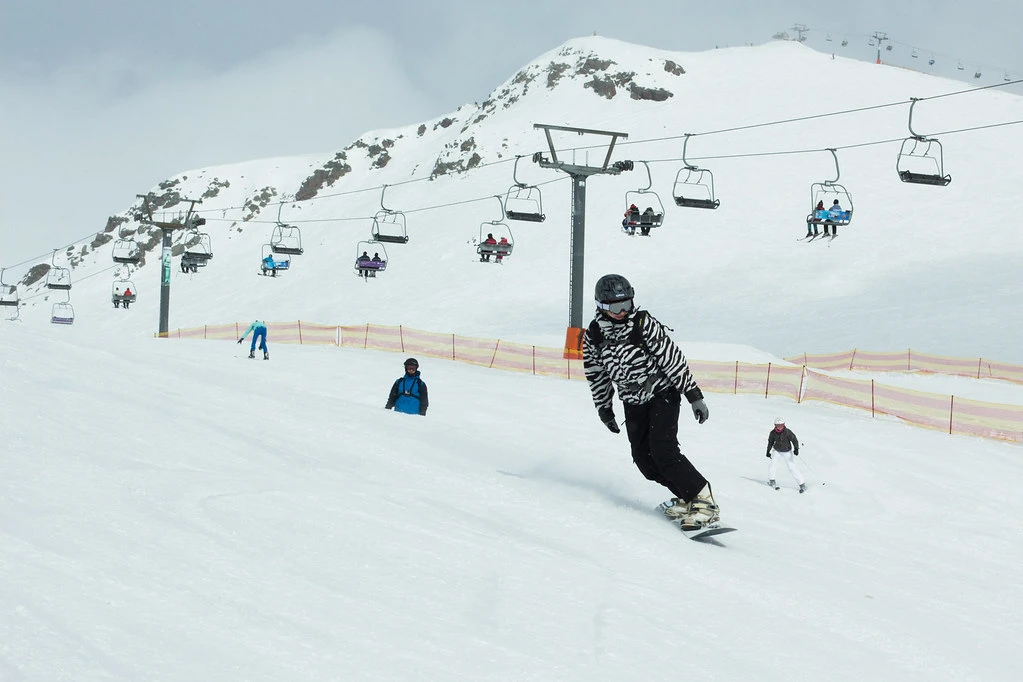
Gudauri receives consistent snowfall from December through mid-March. The resort is 120 km north of Tbilisi on the Georgian Military Highway, at a base elevation of 2,196 m with skiing up to 3,279 m. Lift tickets and accommodation cost significantly less than comparable European ski resorts.
Tbilisi, Kutaisi, and Batumi remain open and functional in winter, though Batumi’s rainfall from November through February is heavy. The city averages around 2,500 mm of annual rain — most of it falls between October and March.
Our Honest Recommendation for First-Time Visitors
Go in September if you can choose freely. The rtveli harvest, the cooler temperatures, the golden Kakheti light, and the full accessibility of mountains and cities make it the most complete version of Georgia that exists.
May is the second choice — greener, with wildflowers in the high valleys, and the mountain season just opening.
Avoid planning a Tbilisi city itinerary for late July or early August unless you specifically want the full summer atmosphere. The heat will reshape every plan you make.
If budget is your primary concern, visit between November and March (excluding ski resort towns during peak ski season). Hotel prices drop significantly, and Tbilisi in winter has a quiet, atmospheric quality that rewards slow travel.
Frequently Asked Questions
Is Georgia safe to visit year-round?
Georgia is safe to visit in every season. The country consistently ranks among the safest in the region for international travelers, with Tbilisi placing 44th on the 2024 global city safety index. The main seasonal risk is not crime but road conditions — mountain roads to Kazbegi and Svaneti close in winter and can close temporarily in spring. Always check the Georgian Roads Department updates before heading north in March or November.
Does Georgia get snow in Tbilisi?
Tbilisi rarely receives snow, and it does not settle for long. The city sits at an elevation of 380–770 m, and its winters are cold but rarely severe. Snowfall occurs most often in January and February, but typically melts within a day or two at lower elevations. The surrounding hills and Mtatsminda ridge above the city do hold snow longer.
Is it possible to visit both Tbilisi and Kazbegi in the same trip?
Yes, and most first-time visitors do exactly this. Kazbegi is 157 km from Tbilisi along the Georgian Military Highway. A private vehicle covers it in roughly three hours. The route is accessible from late April through October. For the full experience, plan at least two nights in Stepantsminda (Kazbegi town) rather than treating it as a single-day trip.
When does the Kakheti grape harvest happen?
The rtveli (grape harvest) in Kakheti typically begins in the second or third week of September and runs through October. Eastern Kakheti, near Telavi and Gurjaani, harvests earlier than the western areas. For the most immersive experience, visit between September 20 and October 10, when harvesting and qvevri fermentation are running simultaneously across multiple estates.
Can I ski in Georgia without visiting Tbilisi first?
You can. Gudauri is 120 km north of Tbilisi on the Georgian Military Highway, so most skiers do pass through the capital. But it is also possible to fly into Tbilisi International Airport, arrange a private transfer directly to Gudauri (approximately three hours), and ski without spending a night in the city. Mestia, home to the Tetnuldi ski area, is accessible either by charter flight or by a six- to seven-hour drive from Tbilisi.
What should I pack for Georgia in spring or autumn?
Layering is essential for both seasons. Tbilisi in May and September is warm enough for a T-shirt at midday, but mountain areas cool rapidly after sunset. For Kazbegi in September, pack a fleece and a wind-resistant outer layer rated to at least 0°C for evenings. For Tbilisi only, light clothing with one warmer layer for evenings is sufficient.