


Georgia remains one of the best-value destinations in Europe and the Caucasus. Your travel costs in Georgia will range from USD 35 to USD 200 per day, depending entirely on how you sleep and how you move.
Meals that run USD 25 in France cost USD 8 to 12 here. Guided wine tours cost less than a single tasting flight in Napa. But Georgia is no longer the ultra-budget destination it was a decade ago. Prices have climbed considerably. Below you will find the real costs in Georgian lari, what drives up your budget, and where to save without cutting quality.
How Much Does a Trip to Georgia Cost Per Day?
Budget travelers spend USD 30-50 per day. Mid-range travelers spend USD 60-100. Affordable luxury runs USD 110 to 180 per day. Accommodation and transport drive almost all of the variation. Food costs remain remarkably low across all tiers, which is why Georgia feels generous even on a tight budget.
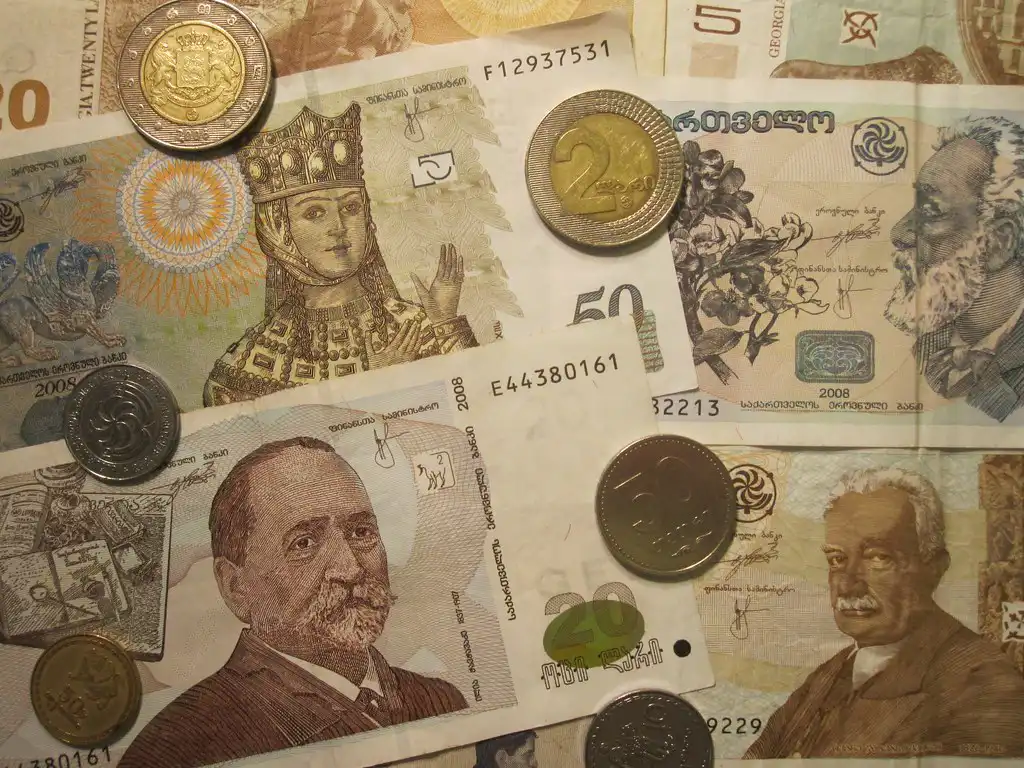
The Georgian lari (GEL) trades at roughly 2.6 to the US dollar. Rates move, so check before you convert. One warning about older guides. Georgia has seen sharp price increases since 2020, driven by tourism recovery, an influx of new residents, and global inflation. Accommodation has risen fastest. Many published figures are 30 to 40 percent below current reality.
Every price below reflects current on-the-ground costs. Treat them as a planning baseline, not a fixed quote.
Daily Budget Tiers Explained
Georgia accommodates every travel style, and the jump between tiers buys real comfort rather than just status. Moving from budget to mid-range gets you a private room and access to a taxi. Moving to affordable luxury gets you a boutique hotel and a private driver, which changes how the country feels.
| Budget Level | Daily (USD) | Accommodation | Food | Transport |
|---|---|---|---|---|
| Budget | 30–50 | Hostel, dorm | Bakeries, local spots | Metro, marshrutkas |
| Mid-Range | 60–100 | 3-star, guesthouse | Local and mid-range | Bolt, group tours |
| Affordable Luxury | 110–180 | 4-star boutique | Good restaurants | Private driver |
| Luxury | 200+ | Rooms, Stamba | Fine dining, supras | Private vehicle, 4×4 |
Twin sharing cuts the accommodation line roughly in half. Solo travelers should budget toward the upper end of each tier.
Accommodation Costs in Georgia
Expect USD 20 to 45 per night for hostels and guesthouses, USD 50 to 100 per night for solid mid-range hotels, and USD 120 to 250 per night for the best boutique properties. Accommodation is now the fastest-rising cost category in the country, and July and August prices in Batumi and Kazbegi are well above those for the rest of the year.
Budget: Hostels and Guesthouses
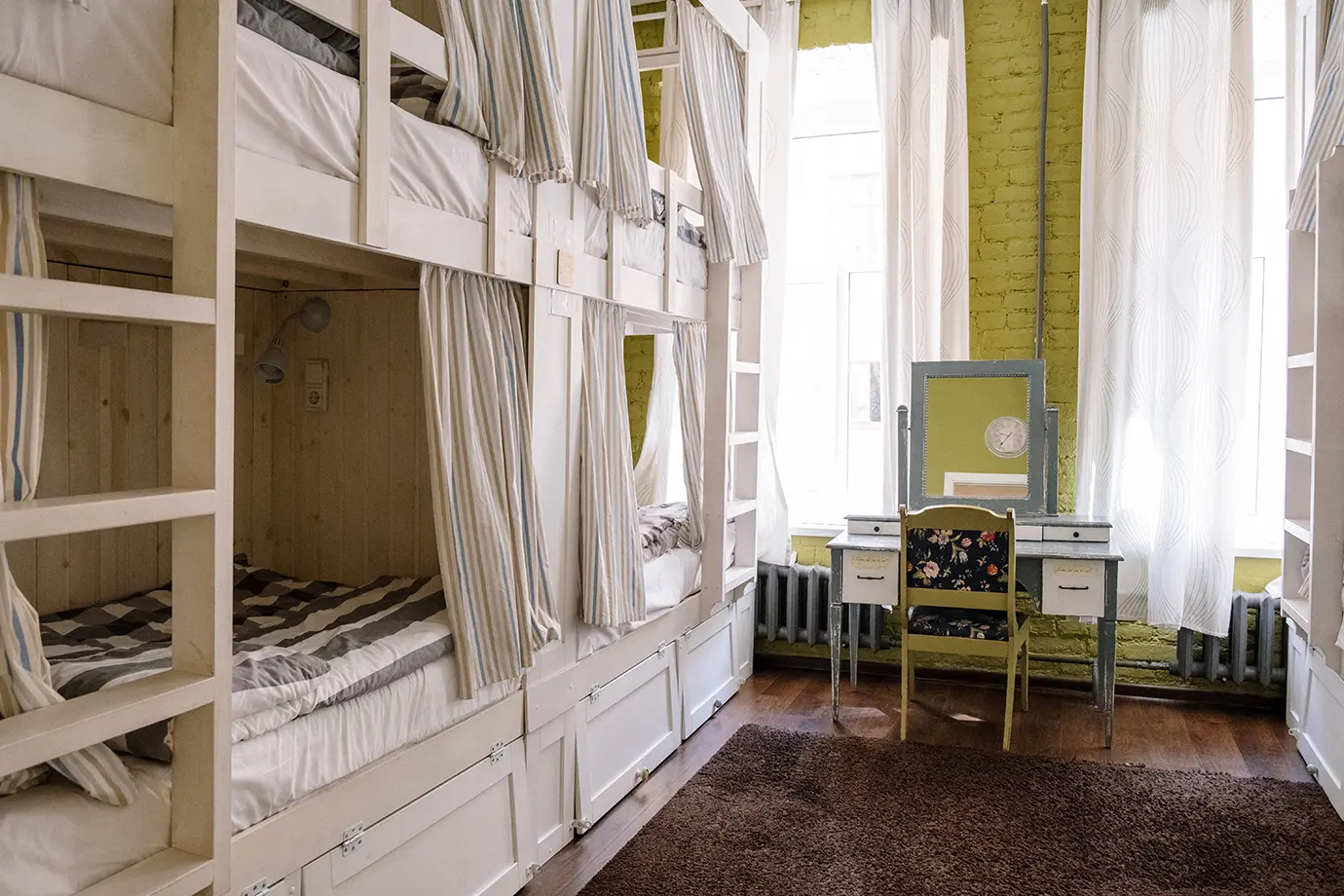
Dormitory beds in Tbilisi run roughly USD 8 to 14 per night. Kutaisi and Batumi prices are a little lower. Fabrika in Tbilisi is the best-known hostel and charges more than average. Family guesthouses in Kazbegi, Sighnaghi, and Mestia often cost as much as a city dorm but offer a private room.
Mountain guesthouses frequently include breakfast and dinner in the rate. Ask before booking, since the meals can be worth more than the discount you were chasing.
Mid-Range: Hotels and Boutique Guesthouses
Three-star hotels in Tbilisi Old Town and vineyard guesthouses in Kakheti fall within the USD 50-100 range. Value peaks here. A comfortable private room with breakfast in a good neighborhood in Tbilisi costs less than a budget chain hotel in most European capitals.
Luxury: What USD 120 to 250 Buys
Rooms Hotel Tbilisi, Stamba Hotel, Rooms Hotel Kazbegi, Sheraton Batumi, Le Méridien Batumi, and Kabadoni Boutique Hotel in Sighnaghi all fall in this range. One planning note matters. Kazbegi and Svaneti have very few genuine luxury options. Rooms Hotel Kazbegi is the main exception, and in Mestia or Ushguli, a good mid-range guesthouse is the practical ceiling.
Do not plan a luxury mountain itinerary expecting five-star properties. They do not exist there yet.

Food and Drink Costs
A full restaurant meal with wine costs 25 to 40 GEL per person at a neighborhood restaurant, and 50 to 80 GEL at a mid-range Tbilisi place. Georgian food is the single best value in the country. You can eat extremely well on a modest budget without ever compromising.
Here is what individual items actually cost.
- Bakery khachapuri: 5–8 GEL. The cheapest genuinely satisfying meal in Georgia.
- Khinkali: 5–2.5 GEL per dumpling. Six to eight makes a full meal.
- Neighborhood restaurant, two courses with wine: 25–40 GEL per person.
- Mid-range Tbilisi restaurant: 50–80 GEL per person.
- Fine dining (Shavi Lomi, Barbarestan, Pheasant’s Tears): 80–150 GEL per person.
- Wine, bottle in a restaurant: 25–60 GEL.
- Wine, bought directly from a Kakheti winery: 15–35 GEL.
- Local beer at a bar (Natakhtari, Kazbegi): 5–7 GEL.
- Espresso: 4–6 GEL.
- Borjomi mineral water, 1.5L: 3–5 GEL.
The gap between a tourist restaurant and a neighborhood one is enormous. A place two streets off Jan Shardeni in Tbilisi will charge half as much as the place on the cobbled lane for identical food.
Ask your hotel to name the closest restaurant with no English menu. You will eat better and pay less.

Transport Costs in Georgia
Tbilisi public transport costs 1 GEL flat per ride, and intercity marshrutka minibusses cost 10 to 40 GEL depending on distance. Domestic transport is the most affordable option within your budget. Renting a car or hiring a private driver is what moves the number.
City Transport
| Service | Cost |
|---|---|
| Tbilisi metro or city bus | 1 GEL per ride |
| MetroMoney card (refundable) | 2 GEL |
| Rike–Narikala cable car | 2.5 GEL each way |
| Bolt or Yandex Go, typical city trip | 6–15 GEL |
| Airport to Old Town by Bolt | 25–40 GEL |
One metro tap gives you 90 minutes of free transfers across the metro and buses. Contactless bank cards now work at the gates.

Intercity Transport
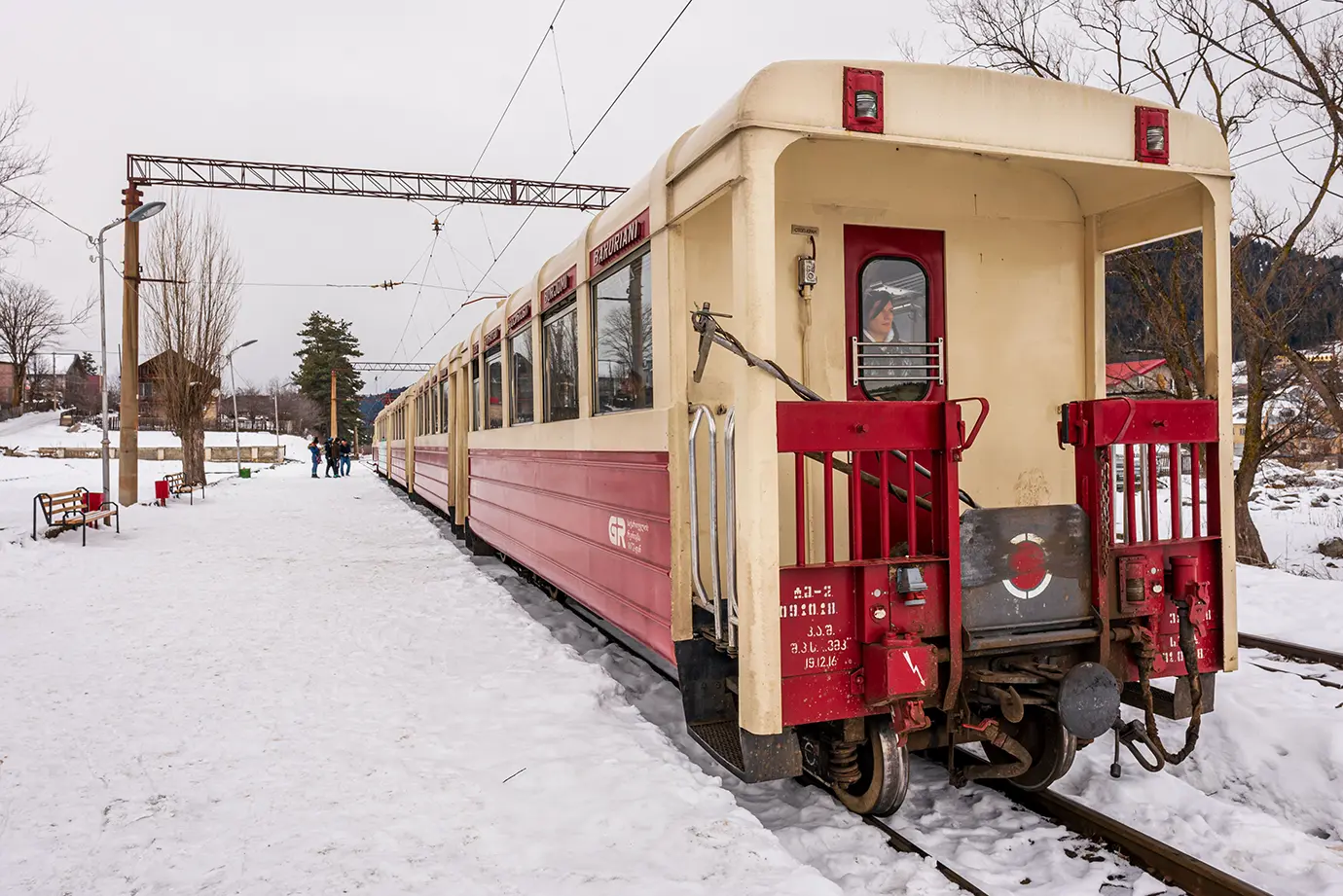
Marshrutka minibusses connect almost everywhere and cost very little. A ticket from Tbilisi to Kutaisi costs roughly 15-20 GEL. A ticket from Tbilisi to Batumi costs roughly 30-40 GEL. Trains are more comfortable and only slightly more expensive. The Tbilisi-to-Batumi day express takes about 5.5 hours and costs 20-35 GEL in second class. First class runs closer to 70 GEL.
The night train between the two cities takes 8 to 9 hours. A sleeper compartment costs 40 to 70 GEL per person and replaces a hotel night, which makes it good value twice over. Book train tickets on the Georgian Railway website. Summer seats sell out days in advance.
Private Drivers and Car Rental
A full-day private driver for a Kazbegi trip costs roughly 150-250 GEL per vehicle, not per person. When split among four people, private transport becomes cheaper than a group tour.
Economy car rental runs 80 to 130 GEL per day. An SUV runs 150 to 200 GEL. Petrol costs roughly 3.2 GEL per liter. A 370 km drive from Tbilisi to Batumi burns about 84 GEL of fuel in a typical crossover.

Tour and Activity Costs
Entrance fees to Georgia’s major attractions run 15 to 40 GEL, and full-day guided group tours from Tbilisi cost 80 to 180 GEL per person. Attraction prices have risen sharply across the protected areas and national museums, so budget more than older guides suggest.
| Attraction or Activity | Cost |
|---|---|
| Georgian National Museum (Gold Fund included) | ~40 GEL |
| Prometheus Cave entrance | ~23 GEL |
| Prometheus Cave boat ride (add-on) | ~17 GEL |
| Martvili Canyon entrance | 20 GEL |
| Martvili Canyon boat ride (add-on) | 20 GEL |
| Okatse Canyon entrance | 20 GEL |
| Uplistsikhe or Vardzia cave city | 15 GEL |
| Tbilisi sulphur bath, private room per hour | 40–80 GEL |
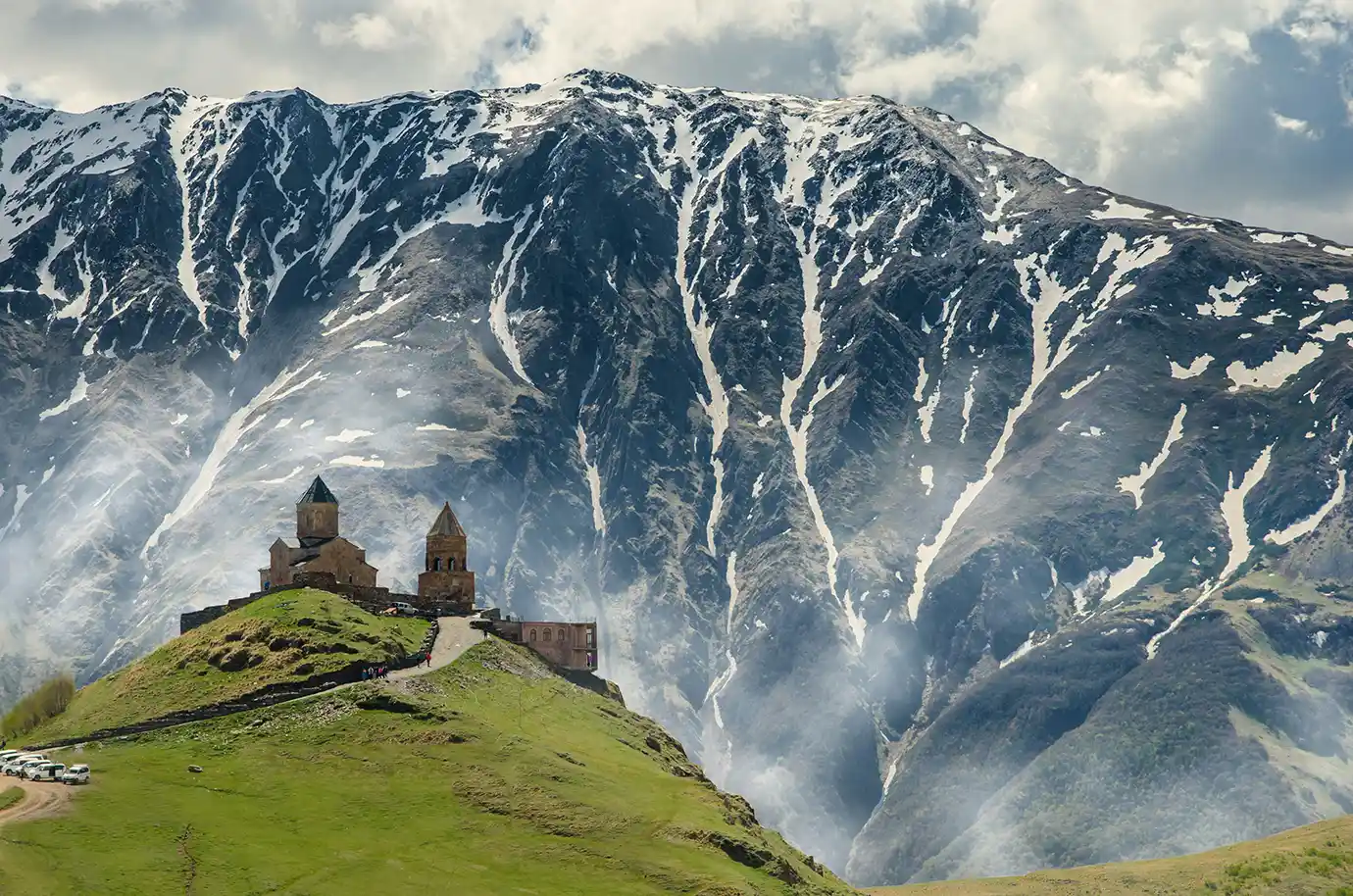
| Gergeti Trinity Church 4×4, per vehicle return | 40–60 GEL |
| Tsinandali Estate tour and tasting | 30–50 GEL |
| Pheasant’s Tears wine tasting | 20–40 GEL |
| Full-day Kakheti wine tour, group | 120–180 GEL |
| Full-day Kazbegi tour, group | 80–120 GEL |
| Private guide, full day in Tbilisi | 150–250 GEL |
| Private guide, full day in the mountains | 200–300 GEL |
Entrance to churches, monasteries, and national parks is free. Svetitskhoveli, Gelati, Alaverdi, Bodbe, and Gergeti all cost nothing to enter.
Protected areas charge separately for every add-on. A full Martvili visit with the boat is 40 GEL, not 20. Budget accordingly if you are doing the Western Georgia Canyon Circuit.
Sample Weekly Budgets
Seven nights in Georgia cost roughly USD 280 to 380 on a budget, USD 550 to 750 in the mid-range, and USD 1,100 to 1,500 for affordable luxury. All figures are per person, traveling twin-share, excluding international flights.
| Style | 7-Night Total (USD) | What You Get |
|---|---|---|
| Budget | 280–380 | Hostels, local food, public transport, 2 group tours |
| Mid-Range | 550–750 | 3-star hotels, mixed dining, a private driver day, 3 excursions |
| Affordable Luxury | 1,100–1,500 | 4-star boutique hotels, good dining, and a private vehicle |
| Luxury | 2,000+ | Rooms or Stamba, fine dining, private guide and driver |
Solo travelers should add 25-35% to the accommodation portion. Groups of four cut private transport costs dramatically.
What Makes Georgia More Expensive Than Expected?
Three things blow budgets in Georgia: peak-season accommodation, private transport to the mountains, and add-on fees at protected areas. None of them are obvious when you plan from home, and all three are avoidable with a little forward thinking.
July and August accommodation in Batumi and Kazbegi runs 40 to 60 percent above shoulder season. Book those months early or shift your dates. Mountain access almost always requires paid transport. Public marshrutkas reach Kazbegi and Mestia, but getting to Gergeti Trinity Church, the Koruldi Lakes, or Ushguli requires a 4×4 you pay for separately.
Protected area add-ons stack fast. Boat rides, jeep transfers, and zipline fees are all separate from the entrance ticket.
How to Save Money in Georgia
The single biggest savings come from traveling in the shoulder season and buying wine at the source rather than at the airport. Both are effortless. Together, they can cut 20 percent off a typical Georgia tour package.
Here is what actually works.
- Skip the airport exchange counters. Use TBC Bank or Bank of Georgia ATMs in the city for far better rates.
- Use Bolt or Yandex Go for every taxi. Street taxis quote three to four times the app rate to foreigners.
- Buy wine in Kakheti, not at the airport. Winery prices run 30 to 60 percent below duty-free.

- Carry cash outside the cities. Marshrutkas, markets, mountain guesthouses, and rural restaurants often take nothing else.
- Travel in May, June, September, or October. Accommodation drops by 15 to 25 percent compared to peak summer.
- Book boutique hotels directly. Many offer 10-15% off the booking platform rate if you email them.
- Buy one local SIM on arrival. Magti or Geocell sells about 10 GB for roughly USD 5, covering navigation for the whole trip.
- Split private drivers across a group. Four people in one vehicle beats four group-tour tickets almost every time.
- Eat where there is no English menu. Same food, half the price, better cooking.
Tipping is not obligatory in Georgia. Ten percent is generous, and many restaurants already add a service charge, so check the bill first.
Is Georgia Cheaper Than Other Destinations?
Georgia costs roughly half of Western Europe and is close to Southeast Asian prices for food and transport, though accommodation is higher than in Vietnam or Thailand. A meal costing USD 25 in Germany runs USD 8 to 12 in Tbilisi. A hotel room in Prague costs EUR 180; here it costs EUR 60-90.
Where Georgia clearly wins: restaurant food, wine, domestic transport, guided tours, and entrance fees. Where Georgia is only average: mid-range hotel rooms in peak season, car rental, and mountain accommodation.
For travelers from South Asia and the Middle East, the flight is short, and the ground costs are modest. For European travelers, the ground costs feel almost implausibly low.
Frequently Asked Questions
How much money do I need for a week in Georgia?
A week in Georgia costs roughly USD 280 to 380 on a budget, USD 550 to 750 mid-range, and USD 1,100 to 1,500 for boutique hotels with a private driver. Figures assume twin sharing and exclude international flights. Solo travelers should add 25 to 35 percent, since accommodation is the cost that is not split.
Is Georgia expensive for tourists?
Georgia is one of the most affordable countries in Europe, though no longer the ultra-budget destination it was a decade ago. Food, wine, transport, and guided tours all cost far less than Western European equivalents. Accommodation has risen fastest and now approaches Central European prices during the July and August peak season in Batumi and Kazbegi.
What currency is used in Georgia, and should I bring cash?
Georgia uses the Georgian lari (GEL), trading at roughly 2.6 to the US dollar. Contactless cards work widely in Tbilisi, Batumi, and Kutaisi. Carry cash for marshrutka minibusses, markets, mountain guesthouses, and rural restaurants. Withdraw from TBC Bank or Bank of Georgia ATMs in the city rather than exchanging at the airport.
How much does food cost in Georgia?
A meal at a neighborhood Georgian restaurant with wine costs 25-40 GEL per person. Mid-range Tbilisi restaurants run 50 to 80 GEL. A bakery khachapuri costs 5 to 8 GEL and makes a full, satisfying meal. Georgian wine costs 15 to 35 GEL per bottle bought directly from a Kakheti winery.
Do I need to tip in Georgia?
Tipping is not culturally obligatory in Georgia, unlike in North America. Ten percent at a restaurant is generous and appreciated. Many establishments already add a service charge to the bill, so check before adding more. Tour guides typically receive 20 to 40 GEL per person for a full-day tour, and drivers slightly less.
Is it cheaper to take tours or travel independently in Georgia?
Independent travel by marshrutka is cheapest but slow and inflexible. Group tours cost 80 to 180 GEL per person and handle all logistics. For groups of three or four, hiring a private driver at 150 to 250 GEL per vehicle usually works out cheaper than individual tour tickets, with far more freedom over timing.