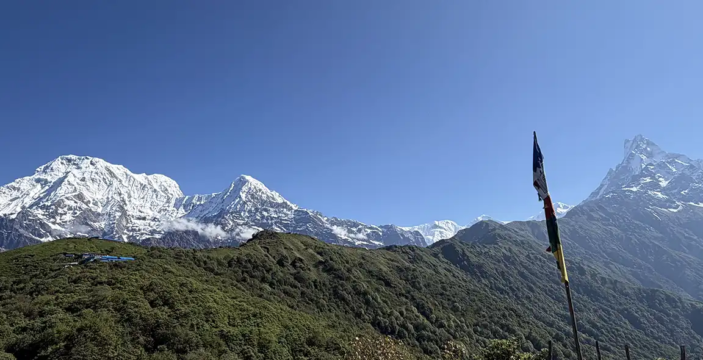
Langtang Valley Trek 7 Days

How challenging is the Langtang Valley trek for 7 Days?

Langtang Valley is known as the moderate trek. There is a proper place for tasty food and accommodation. There are no confusing trails and rugged terrains.

This trek is moderate, but doesn’t mean it has no difficulty. There is no higher altitude like in Everest Base camp; in this trekking route, you will be hit only 5000m in height.

Factors of difficulty in Langtang Valley Trek

As I already mentioned, the Langtang Valley trek is a moderate-level trek. However, there are some complications and factors you should consider.

Altitude sickness

Anyone can suffer from Altitude sickness at higher altitudes. Specifically, you will gain some altitude once you start trekking in Nepal. However, the Langtang Valley 7-day trek does not take you to extreme heights like the Everest region.

However, altitude sickness is possible, so you should maintain proper acclimatization.

The symptoms of altitude sickness include nausea, vomiting, difficulty breathing, and many more; if you experience these symptoms while trekking, don’t hesitate to share them with your guides and friends.

Once you reach a friendly altitude, rest until you feel secure. Please consult with your doctor about altitude sickness. It’s better to know your body before taking any medicines. Diamax is one of the best cures for altitude sickness.

Remote Places

Langtang Valley is known as one of the remote places near Kathmandu. There are no proper roads or modes of transportation.

Hills and mountains surround small tracks. The remoteness of any place means that there is unavailability and improper accessibility. You may be sick or injured. It takes more than a day to reach a proper hospital. The quickest way is to fly to the nearest hospital and medical, increasing the money.

Unavailability

As we already know, Langtang Valley is known as a remote place with minimal facilities. Proper transportation is limited to flying or carrying goods.

Food and water would be more expensive as you go higher in altitude. It costs so much only for a liter of water.

A hot shower and charging your devices will cost some amount. These little things add to the difficulty of this trek.

For more information, please check our blog on “Langtang Valley Trek Difficulty.”

Langtang Valley
Langtang Valley – Langtang Trek Cost

Best Time For Langtang Valley Trek

If you plan to visit Langtang Valley near Kathmandu, the region has different winter, monsoon, autumn, and spring weather conditions. But the best time to visit Langtang is autumn and spring.

These seasons have good weather and bearable temperatures. During this season, you can walk on a sunny, warm day on the dry trail. As we all know, the morning and night will be colder than today.

During this season, you can walk through oaks, rhododendrons, and diverse Vegetation. These seasons offer crisp views of the chain of the Himalayas under the blue sky.

Langtang Trek During Autumn (September to November)

Autumn is the best season to trek in Langtang. The weather will remain functional from September to November, and the temperature will be stable. If you trek this season, you can walk under the blue skies, fresh air, and dry trail.

You may feel cold in the morning and night, but the temperature during the day will be okay. This temperature and pleasant environment will create the fondest trekking memories.

Also, in the Autumn season, the sun shines sharply, allowing unobstructed views of all mountains and valleys. Thus, you do not have to face the fog problem.

Langtang Valley Trek During Spring (March to May)

It is also known as the second-best season to visit the Langtang region. In this season, you will have a warm day. There will be moderate temperature.

The trail will be beautiful and memorable because the lush forest will be full of rhododendrons. You will see wildflowers along the way. However, the trek will become more exhausting because of the warm sun and soft mountain breezes.

We can see the unobstructed views of mountains during this season and walk in beautiful forests.

Langtang Valley Trek During Summer/Monsoon (June to August)

Langtang Reagan faces the summer season in June, July, and August. There will be heat at the lower temperature because of the high temperature. But there will be a cold temperature while we rise higher.

The rainfall may make the trail slippery, with bugs, parasites, beetles, leeches, and earthworms. But on the lighter side, you will enjoy the rainwashed surroundings with greenery everywhere. The Summer region in the Langtang Valley is a blissful time for all nature lovers.

Sometimes, dense forests may have all the attractive beauty of nature, but heavy rainfall will eliminate it. It will offer more precise and exciting views of the mountainscape and the surrounding landscapes. As this is the season of planting, you will have a fantastic time looking at the terraced farms and the working locals in their typical ways.

Langtang Valley Trek During Winter (December to February)

The winter season starts in December and ends in February in Langtang Valley. The day is moderately cold, but the morning and night are freezing.

In winter, you will explore the snow-covered Langtang under blue skies and in mountain regions. There will frequently be changes in temperature and weather.

Since fewer trekkers prefer the winter season to trek, if you don’t want any crowd and enjoy the Langtang Valley trek freely, please hit your mind with this season.

Please share your choices regarding the trek with us. We will plan the best itinerary for the Langtang Valley trek. For more info, please check our blog on “Best Time For Langtang Valley Trek.”

7 Days Langtang Trek Costs

Trekking Costs are vital in your 7-day Langtang Valley Trek. With $700-$900, you can cover all the Langtang trekking costs. This total cost includes food, accommodation, permits, transportation, etc.

Packing list for 7 Days Langtang Valley Trek

The seven-day Langtang Valley Trek is one of Nepal’s most magnificent and jaw-dropping Himalayan experiences. During this trek, you will walk one of the inspiring and challenging routes.

There are climatic alternations during the Langtang Valley trek, so you must prepare your packing according to your trekking season.

We have listed some information about packing for your exceptional Langtang Valley trek. The following are the clothing and gear you need during the trek.

Langtang Valley Trek Backpacks

Packing Satchel

On your 7-day Langtang Valley trek, a packing satchel helps you carry your goods and equipment. It also enables you to classify clothes, cables, and electronics.

A Big Rucksack

Big Rucksack helps you to carry the luggage for solo trekkers.

Supportive daypack

It would help if you had a favorable day pack throughout the trek. This day pack will help you carry essential hiking snacks, a down jacket, waterproof trousers, a rain jacket, and a camera. It also has plenty of space for sunscreen, a hat, and other personal items for your trek.

Waterproof Dry Bag

A waterproof dry bag will protect your essentials from rain. It has plenty of space for a warm jacket, snacks, and rain gear.

Clothing

Layering is an essential concept for clothing during your Langtang Valley trek. Proper attire will help you avoid all the winds on this trek. The trekking clothes and other essentials are made of various fabrics, such as cotton, wool, and denim, to absorb moisture.

Inner Layer

At least four pairs of quick-drying and breathable underwear for your whole trek. Thermal wear is comfortable and warm. Thermal wears help to keep you warm.

Upper Layer

The artificially made upper layer is ideal for Langtang Valley’s short trek. It is light, easier to wash, and tends to dry quickly.

During this trek, you can wear long-sleeved shirts to avoid sunburn. Short-sleeved shirts are also helpful during summer treks.

Lower body layer

For Langtang Valley Trek, 7 Days of quick-drying, convertible hiking, and semi-waterproof are comfortable.

You can also wear wool trousers or waterproof trousers to keep you warm and cozy at higher altitudes.

List of extra clothing
  • Down vest
  • Hiking Trousers
  • Polypropylene shirts
  • Light thermal tops
  • Hiking shorts
  • Non-cotton underwear briefs
  • Waterproof shell-pants, breathable fabric
  • Lightweight thermal bottoms
  • Waterproof, breathable fabric shell jacket
  • Fleece or wool trousers
Gloves

Gloves help keep hands hot and warm during the trek and prevent frostbite at higher altitudes. So, it would help to pack outer and inner gloves to protect your hands from wind and water.

Gloves or handwear
  • Lightweight poly-liner gloves
  • Mittens (seasonal)
  • Lightweight wool or fleece gloves

Footwear

Blisters are a significant concern during the Langtang Valley trek. Consequently, it would help to have reliable boots and socks to comfort your ankles and soles during the long hike.

Hiking boots

The hiking boot should be lightweight, comfortable, and durable, which will help you navigate the diverse geography during the trek. It would help if you walked through plain lands, wet snow, muddy ground, and grainy riverbanks, so pack a reliable pair of hiking boots to ease your trek.

Pair of sandals/flip-flops

A pair of shoes is helpful in lodges and hotels. Sandals or flip-flops are also beneficial when showering or using the bathroom.

List of footwear

  • Trainers or running shoes
  • Thin, lightweight inner socks
  • Hiking boots with spare laces
  • Cotton socks Gaiters
  • Hiking boots with extra laces

Sleeping Accessories

Sleeping bags are the center of your packing list for this trek. Although most lodges provide blankets, a sleeping bag will help you stay warm during cold nights.

Both Sleeping bag and sleeping bag liner will be useful

List of sleeping accessories

  • Sleeping Bag Liner
  • Sleeping bag

Headwear

It would help to pack an excellent pair of headwear, like a beanie or a headband, during the Langtang Valley trek. It will help keep your head warm and protect it from rain, snow, and excessive sunlight rays.

Sunglasses

Sunglasses help protect eyes from harsh sunlight at higher altitudes, absorb eye stress, and protect them from the wind.

Hat or fleece hat

The sun hat will help the skin of your face during trekking in summer, especially at a lower altitude. A fleece that will protect your head from snow and the river at a higher altitude.

List of headwears
  • Headlamp with extra batteries and bulbs
  • A warm hat
  • Sunglasses with UV protection
  • Bandana or headscarf
  • Prescription sunglasses

First Aid

On this journey, you may suffer from altitude sickness at higher altitudes or a common cold due to temperature variations. So, you need to pack proper first aid kits.

To avoid the risk of high altitude sickness, you should carry Diamox and Paracetamol, and Imodium can be helpful in case of unpleasant diarrhea and sudden fever.

List of Medications:
  • Chlorine Dioxide Tablets/ Water Purification Tablets
  • Paracetamol
  • Antiseptic Cream
  • Imodium
  • Small Bandages and plasters
  • Insect Repellent
  • Antiseptic Wipes
  • Diamox/ Altitude Sickness tablet
Toiletries
  • Toothbrush/paste
  • Medium-sized towel
  • Nail clippers
  • Deodorants
  • Multi-purpose soap
  • Wet wipes
  • Anti-bacterial handwash
  • Tissue /toilet roll
Extras
  • Swimsuit
  • Book
  • Binoculars
  • Guide book
  • Voltage converter
  • Journal and pen
  • Lightweight pillowcase
  • Plug adapter
Important documents and items
  • Valid passport
  • Proof of insurance
  • Two extra passport-size photos
  • Separate photocopies of passport
  • Airline tickets
  • Traveler’s checks
  • Dollars, Euros, or pounds in cash for purchasing goods or paying for them
  • Map

For more details, please check our blog on “Langtang Valley Trek Packing List.”

Langtang Trek Difficulty -- Roof of the world on Tserko Ri
Langtang Trek Difficulty — Roof of the world on Tserko Ri

7 Days Langtang Valley Trek FAQs

How do you get to Langtang Valley?

Langtang is a region in the Himalayas north of the capital city, Kathmandu Valley, and borders Tibet. It is 61.8 km away from Kathmandu. We can drive from Kathmandu for 4-5 hours to reach Langtang Valley. Our path will be full of stunning views of mountains.

Where to start the Langtang Valley trek?

As in the first, our drive will start in the Kathmandu valley, but our trekking journey starts in Syabrubesi, from where we visit the Lama Hotel and move towards Kyanjin Gompa. The trail combines beautiful alpine and rhododendron forests, glaciers, rivers, extended pastures, and breathtaking peaks bordering Tibet.

How challenging is the Langtang Valley trek?

Langtang Valley is known as the moderate trek. There is a proper place for comfort food and accommodation. There is no doubt to say that it is one of the best trekking destinations. There are 360-degree panoramic views of the snow-capped mountains. There are no confusing trails and rugged terrains.

Do you need a guide for the Langtang Valley trek?

Langtang Valley trek means trekking over the Langtang Valley. Throughout the journey, you will pass through the uncivilized villages. It is not easy to travel to Langtang Valley without a guide. So we recommend you take a guide and porter to enjoy your short trek in Langtang Valley. All guides will be there to help you with your needs. Also, they have to use safety measures at high elevations. They take care of your acclimatization and itinerary. They will give you information about many essential things, such as places, culture and tradition, lifestyle, and many meanings of festivals, education, occupation, and many more things. They would be there to save from wrong decisions, directions, etc.

Trekkers need not worry about their lodging and food facilities; guides will be there to care for them. At the checkpoint, trekkers will rest while guides show you all your passports and visa documents. Langtang Valley will be an entire Sherpa people; guides will communicate with them and try to provide you with all the small facilities you need. While you have a guide, you only need to walk forward.

Who can trek to Langtang Valley?

Langtang Valley Trek is perfect for trekkers who want to see the natural beauties of nature. It is also ideal for both experienced and inexperienced trekkers. People with sound minds, healthy bodies, and stamina can adapt quickly and enjoy all journeys. But if you have less strength, you should eat diet food, exercise, and do cardio, and then you can join this trek immediately.

Because it is a trek in another country for a specific time, you should have a health checkup and consult with your doctor or physiology to be sure to join this trek. We recommend you care for your health by minimizing your walking speed and making plenty of water during the trek. Our trek guides will take care of all caution and safety measures.

How much do permits and time take for the Langtang Valley trek?

Before you go for the Langtang Valley trek, you should care about the two different Langtang Trek permits.

TIMS card

TIMS stands for Trekker Information Management System. There are three types of cards: green, blue, and pink. Green tickets cost $20 for individual trekkers. A blue card costs $10 for organizing a group trekker; if you are from SAARC National, you will get a pink tag for $6.

Langtang National Park Entry Permit

Any trekking route must pass through Langtang National Park. To drive in this region, you must have a special Langtang National Park entry card, which costs NPR3000, excluding 13% VAT.

What should you bring/pack on the Langtang Valley trek?

Clothes and gear play a vital role in making your journey the best. So, it is critical to pack your bag with the needed stuff after deciding which season to visit Langtang National Park. Depending on the season, you need to pack your bags. For the winter season, you must bring warm gear; for monsoon, you must carry rain gear; and for spring or autumn, you must wear lightweight cotton clothes. Also, if you wear full-sleeved light clothes, it will prevent suntan. At monsoons, rains occur frequently.

The atmosphere seems humid. In the winter season, it is cold. You have to wear warm clothes in layers to maintain your body temperature. The significant goods you need to carry during treks are good-quality trekking shoes, thermals, hiking underwear, gloves, a sun hat, sunglasses, anti-leech socks, a wind-stopper jacket, a woolen cap, a woolen scarf, etc. You can check out the above packing list for more information.

How far is Langtang Valley from Kathmandu?

Langtang Valley is 61.8 km away from Kathmandu. We can drive about 4-5 hours from Kathmandu to reach Langtang Valley.

How long does it take to fly from Kathmandu to Langtang?

There are no facilities for flying from Kathmandu to Langtang, so you must travel by car or bus.

Where is the Langtang region of Nepal?

The Langtang region is located in the north-central Himalayas of the Bagmati province of Nepal, 51 Kilometers north of the Kathmandu Valley. It is renowned for hosting the Langtang National Park, which eventually constitutes the border with the Tibet autonomous region of China.

How to reach Langtang from Kathmandu?

The cheapest way to travel from Kathmandu to Langtang is by bus, which costs $5 and takes 6 hours. We recommend taking a bus.

How high is Langtang village?

Our journey will start at 1500 m beside the road at Syabru Besi. From here, the trail goes up a narrow forest gorge. After ascending to the Kyanjin Gompa, we will be at 3850 m altitude; it gradually widens.

Contact Peregrine Treks for any queries related to the trek or to plan the best itinerary to complete the Langtang Valley trek in 7 days. Furthermore, we offer the best prices for Nepal trekking and Tour packages.

Please enable JavaScript in your browser to complete this form.

Nepal sets to resume flights from August 17

The Nepal Government suspended international and domestic flights in Nepal on March 22 and 24, respectively. The country imposed a nationwide lockdown since that day to prevent the spread of Novel Coronavirus.

Nepal is looking forward to opening domestic and international flights from August 17. A Cabinet meeting was held at Prime Minister KP Sharma Oli’s residence on Monday, July 20, 2020. With the decrease in COVID-19 cases in Nepal, a significant decision to resume domestic and international flights in Nepal from August 17 was taken at the meeting.

According to the MoHP media briefing (22/7/2020, 16:15), 100 new cases have been registered today, with 18,094 confirmed cases. In the last 24 hours, 3779 RT PCR test was done. The good news is with 207 patients discharged, the total number of recoveries is 12,684 (70.1% of total confirmed cases). However, two deaths were recorded today to take the death toll to 42.

Joint-secretary at the Ministry of Culture, Tourism and Civil Aviation, Buddhi Sagar Lamichhane said, “There are still some countries that are imposing entry restrictions. We will prepare reports on the countries where international flights are not restricted and allow them to enter the country accordingly. We will develop protocols and other required measures for the incoming flights to Nepal.” Besides, he also stated that health and safety protocols have already been developed for domestic flights.

Tourism is the key to the foreign currency earning sector in Nepal. With four months of complete lockdown, tourism is about to collapse. Even with the decision to resume national and international flights in Nepal from August 17, we can hardly say the state will be prepared enough to welcome foreigners.

The Government initially planned to reopen flight service from July 22, which was postponed to August 5. With the latest news, the date for the resumption of international and domestic flights in Nepal is confirmed. Yet, we are not sure how effective this decision will be when the time comes.

The officials and ministers shall do the preparation and hefty exercise to maintain the new normal. As the airport is opening, there are significant chances of entering a higher number of corona virus-infected people.

For example, the Bahamas reopening its border to tourists on July 1 was a regretful decision as there was an abrupt increase of corona cases among incoming travelers.

There have always been pros and cons in every situation. Opening borders may provide a positive opportunity to Nepal and its citizen, but taking an immediate decision without setting fixed protocols might lag the country down.

We hope the Government will come strong enough in three weeks with a sound problem handling system. But what if the system fails? Can the country afford to face another phase of lockdown? Can we sustain tourism in Nepal?

Planning to travel to Nepal after the COVID pandemic? Learn about the Best Place to Travel in Nepal after COVID. Feel free to contact Peregrine Treks for any questions or queries.

9 Best places to travel in Nepal after COVID 

Nepal is a beautiful country, sanctified by nature’s attraction. The state also boasts extraordinary historical and cultural charm, such as temples and monuments, which provide volumes about the rich antiquity and culture of the place.

The picturesque beauty adds a perfect background to these popular visitor places in Nepal, and the weather makes it favorable for travelers to visit and explore. Here are the best places to travel in Nepal after COVID.

1. Sagarmatha National Park

Happy trekker acting from everest trek route in nepal
Happy trekker acting from Everest trek route in Nepal

Sagarmatha National Park is situated in northeast Nepal and encircled by the mighty Everest as other lofty peaks, deep ravines, and, therefore, the Himalayan glaciers. The Sagarmatha Park is among the first visually appealing masterpieces on earth. Located 135 km away from Kathmandu, this nature reserve happens to be a UNESCO World Heritage Site and is taken into account as sacred.

In Sagarmatha National Park, you will get diverse flora and fauna taking shelter amid spectacular landscapes. Also, you will find every aspect of nature’s charm preserved here in Sagarmatha.

If you’re planning a visit to the present Himalayan wonder, don’t forget to stay on the lookout for the variety of wildlife that this place is legendary for, including Himalayan Thar, Musk deer, Ghoral, and snow leopards, wolves, lynx, and weasels.

Aside from the variety of animal species, Sagarmatha Park is additionally home to over a thousand rare to endangered bird species like Himalayan Monal, Snowcock, Yellow-billed Chough, Blood Pheasant, and, therefore, the Red-billed Chough. A visit to the present paradise will tell you why it’s one of Nepal’s most straightforward tourist attractions and is mentioned as a crucial Bird Area by BirdLife International.

These are the popular trekking packages inside Sagarmatha National Park. This is one of the best places in Nepal to travel after COVID-19.

  1. Everest Base Camp Trek
  2. Everest Panorama Trek
  3. Gokyo Lake Trek
  4. EBC Trek and Helicopter Return
  5. Everest Base Camp Luxury Lodge Trek
  6. Everest Three Passes Trek
  7. Gokyo Chola Pass Trek

2. Annapurna Region of Nepal Travel after COVID

Annapurna Base Camp
Annapurna Base Camp

Annapurna Region is a tremendously diverse landscape and culture complete with vibrant mountain vistas, terraced fields, quaint Gurung villages, and the right sort of flora and fauna. Mt. Annapurna (8091meters) of Nepal is the 10th highest mountain in the world, and therefore, when you reach the Annapurna Base camp, you will be at the height of 4130m/13549ft, which is one of the four more popular walks on the earth.

Furthermore, we reach our destination via Mt. Machhapuchhre (Fishtail), which is honored by the Nepalese for its unique beauty. Additionally, because of the well-groomed itinerary of the Annapurna Base Camp trekking package, it’s a well-liked choice among diverse outdoor enthusiasts.

In the Annapurna Region, we can do these trekking:

  1. Annapurna Base Camp Trek
  2. Annapurna Circuit Trek
  3. Ghorepani Poon Hill Trek
  4. Mardi Himal Trek
  5. Khopra Ridge and Khayer Lake Trek

3. Langtang National Park – Adventure amidst Nature

Relax and stretch on Langtang Valley

If you want to ascertain some more wildlife in Nepal, then visit Langtang National Park, which is known as one of the purest and most beautiful places within the city. The park offers abundant wildlife and the chance to hike and be awestruck!

For those who love adventure and nature, this is often considered to be amongst the first unique Nepal tourist places. If you’re a wildlife lover or an experienced freak, you will surely want to head to the present stunning wildlife sanctuary.

We can do trekking inside the Langtang National Park. We recommend you to Nepal travel to these places after COVID-19.

4. Chitwan National Park

Chitwan Jungle Safari

Get to ascertain Nepal’s side in Chitwan National Park, one of UNESCO’s world heritage sites. Chitwan National Park is a natural abode of wildlife. The tropical monsoon climate makes it an ideal place for wildlife viewing and jungle safari, and it is also known as the most straightforward place to go to Nepal.

Chitwan National Park is often the first park built in Nepal. Chitwan National Park was established in the year 1973 B.S. This park is made over a neighborhood of 952.63-kilometer square. This park is fundamentally located within the south-central part of the country and is one of Nepal’s most natural tourist attractions.

The nearest city to the present park is Bharatpur. The Department of National Parks and Wildlife Conservation now governs this park. Since the 19th century, this park has been considerably popular and named the Jungle’s guts. Once upon a time, this place was used for hunting, but afterward, the government decided to form a park so that all the animals were ready to stay comfortably.

Tourist Attractions: The park may be home to rhinoceros, sloth bears, Royal Bengal Tiger, and lots of more.

5. Pokhara Valley

World Peace Pagoda Pokhara

The gem of Nepal tourism, Pokhara Valley, is snuggled amidst the Annapurna Himalayan Range and other mountain ranges. Pokhara is the second-largest valley and is one of the simplest places to go to in Nepal. Among all the numerous famous tourist attractions, the Pokhara Valley beckons an outsized number of tourists who like to admire nature’s marvels.

This place is understood as the second-largest Valley in Nepal and one of the simplest tourist places in Nepal. Pokhara is one of the favored locations for all tourists in Nepal who want to explore the natural beauty. In Pokhara, poon hill is one of the places to go to Nepal near the Bihar border.

People generally visit this valley so that they’re ready to have a transparent view of the Himalayan ranges. This place is also considerably famous for boating, rafting, trekking in Nepal, and other extreme sports. Consistent with the Tourism Board of Nepal, the number of tourists in Nepal is increasing day by day in a very rapid manner.

How to succeed: The tourist bus ride from Kathmandu takes about 7 hours to reach Pokhara.

6. Rara Lake – The best place in Nepal to travel after COVID

Beautiful Lake with Snowy Mountains Himalaya Rara Lake National Park

Rara Lake Trekking is handily one of the first beautiful treks that take you to Rara Lake in Nepal. It’s one of the essential lakes in Nepal. Per annum, thousands of tourists from everywhere on the planet visit the lake.

Rara Lake lies at an elevation of two thousand nine hundred ninety meters with a neighborhood of 10.8 km square. Green hills beautifully surround it, and Rara Park makes it an honest trekking destination. Also, the view of snow-clad Himalayan peaks enhances the sweetness of Rara Lake.

Surprisingly, Rara Lake is the bluest water in the world, yet the lake shows three different colors in a day, and therefore, the background of the lake also keeps changing. The Rara Lake Trekking route is a small amount of crowded, and much off-the-beaten trail. So, it’s an outstanding choice for those who are seeking isolation and communion with nature.

Throughout the trekking journey, you’ll experience unique cultures and panoramas that are different from the remainder of Nepal. Forests of pine, alpine meadows, juniper, and spruce surround this stunning lake at a high altitude.

At the same time, in the background, one can look at the magnificent snow-capped peaks of the Himalayas. There’s often snow on the ridges surrounding the lake in winter, which provides the lake with a heavenly look.

7. Lumbini

Lumbini
Lumbini

The light of Asia is in Nepal. So, this is also one of the best places in Nepal to travel After COVID. Lumbini is the birthplace of Lord Buddha. Also, it is a famous tourist spot in Nepal. The peaceful ambiance of the town located within the Kapilavastu region is ideal for meditation. The temples and monuments built under Buddhist architecture are highly admired.

Lord Shiva is understood to have been born in the year 623 BC in Lumbini, primarily within the southern part of Nepal. Tons of individuals visit Nepal only to ascertain Lumbini. It’s said that Lumbini is one of the most famous and holiest places on the planet for people who follow Buddhism.

This place is now protected by the traditional Monument Preservation Act, which was passed in 1956. Lumbini features immense historical significance for many individuals. All the people who follow Buddhism have a goal to go to Lumbini, where Buddha was born.

Lumbini’s identification is increasing day by day because various individuals are converting to Buddhism and getting to visit here. Many hotels are in Lumbini, so tourists are ready to enjoy the Nepal excursion.

Main tourist Attractions: Ashokan Pillar, Buddhist temples, the Japan Peace Stupa, Bodhi Tree, the Lumbini Museum, and Lumbini International Research Institute.

8. Bhaktapur Nepal Travel After COVID

Bhaktapur is an ancient Newar city to the east of the capital of Nepal - the city of Kathmandu
Bhaktapur is an ancient Newar city to the east of the capital of Nepal – the city of Kathmandu.

Bhaktapur is one of the best among the Nepal tourist attractions for buying terracotta and handicraft products. Souvenirs and clothes are also available when we go back to history in the 8th century of Bhaktapur. It was the capital of Nepal from the 12th century to about the 15th century.

Within the 18th century, this place became rustic on its own, with boundary walls and gates to the town. The citizens of Bhaktapur are primarily peasants, handicraft manufacturers, public employees, or people in the business.

Main tourist Attractions: lotus, Terracotta products, pretty handicrafts, and colorful masks

9. Nagarkot

Panoramic View from Nagarkot

Last but not least, Nagarkot is also another best place to travel in Nepal after COVID-19. The popular area Nagarkot is located on the brink of the Kathmandu Valley. It is often just one hour’s drive from Kathmandu and may be the perfect place to visit Nepal in October.

Nagarkot is where tourists will be ready to enjoy the magnificent natural things of all the different mountain ranges. If you’re visiting sites in Nepal, enjoying the sunset from this beautiful place is extremely special. We recommend you enjoy the sunrise and sunset from here once you are visiting Nepal.

This place features a 4-hour vehicle tour, which can help the tourist get an obvious idea about the situation with the assistance of a knowledgeable guide. The main highlights of this trip are the car will come to pick up the tourists at 4 am, and then they’re going to drive for about 1 hour and a half hours to reach the destination. It is often among the best places to travel after COVID-19 tourist places in Nepal.

Main tourist Attractions: Trekking, stunning views of the Himalayas, mountain biking, and dense pine forests.

Langtang Valley Trek: Combination of Culture, Trekking, Climbing and Adventures

Langtang Valley Trekking Trail

Langtang Valley trek trail is considered a moderate-grade trail. From beginner-level trekkers to professional trekkers, all can complete this trail efficiently. Trekking in the Langtang region is short and adventurous.

Moreover, it’s an experience gaining trial. It can further be categorized as an acclimatization trek as trekkers can hit up Langtang trails to prepare for their longer treks, like the Everest region trek.

You may also like the following:

Towards Langtang Valley Trekking

11 Days Langtang Valley Trek

We have prepared an 11-day Langtang Valley Trek Package in which trekkers can complete the round trip starting from Kathmandu. The actual footslog starts from Syabrubesi, climbing up to our eventual point Kyagjin Gompa of Langtang Valley.

Brief Itinerary of 11 Days Langtang Valley Trekking

DayDestinationElevation gained
1Kathmandu Arrival1400 m
2Exploring UNESCO heritage sites in Kathmandu1400 m
3Depart to Syabrubesi1492 m
4Trek to Lama Hotel2447 m
5Trek to Mundu3550 m
6Trek to Kyanjin Gompa3817 m
7Customized activity day4773 m(max)
8Descend to Lama Hotel2447 m
9Reach Syabrubesi1492 m
10Return to Kathmandu1400 m
11Departure day 

Detailed Itinerary of Langtang Valley Trek

Day 1: Kathmandu Arrival

Welcome to the heart of Nepal, Kathmandu Valley. As you land at the Tribhuwan International Airport, a representative of Peregrine awaits you displaying your name card. He will then escort you to your designated hotel.

As you settle in, you will receive an invitation for a traditional Nepalese dinner where you will meet your Langtang Valley Trekking guide and the team. Your guide will give you a brief orientation about your trek along with the dinner.

Day 2: Exploring UNESCO heritage sites in Kathmandu

Kathmandu Valley is famous as the city of deities. There are numerous temples and shrines representing the two main religions of Nepal, Hinduism and Buddhism. In the morning, we will prepare a ride to the holy temple of Pashupatinath. Walking briefly through the paved streets of the sacred Pashupatinath Temple, you usually get to feel the change in the atmosphere compared to the chaotic city area of Kathmandu.

The destination for the day to explore will be Boudhanath Stupa and Kathmandu Durbar Square. Visiting these sites, you might want to end your day with Nepalese delicacies in and around the Thamel area.

Day 3: Depart to Syabrubesi

Along with the air of Kathmandu Valley, we hop in our vehicle and depart towards the initial point of the Langtang Valley trek. Depending upon the traffic on the Trishuli highway, we might reach Syabrubesi after seven to eight hours of driving. The driveway gains elevation, providing brief sightings of surrounding mountains viz: Mt. Ganesh, Mt. Manaslu, and Mt. Langtang.

We are reaching Syabrubesi. We will check in at our hotel and lodge for the night.

Day 4: Trek to Lama Hotel

On this day, we venture on our first trekking trail from Syabrubesi crossing the Bhote Koshi River. The river originated in Tibet; hence, the name Bhote Koshi means Tibetan River. The trail gradually increases from standard to steep terrain giving us a significant climb through the sub-tropical forest. You will see your first Rhododendron forest on this trail along the route. We will end today’s trek lodging in a local tea house in the village.

Day 5: Trek to Mundu

Gaining strength from last night’s sleep, we will start a fantastic day with an equal ascent but challenging elevation. In the first half of the day, the Langtang trek route will lead us to forested trails and get us to Ghore Tabela. You can take a short break whilst the guide finishes essential chores at the permit checkpoint.

Resuming the walk from Ghore Tabela towards the Mountain blooming trail, we complete the other half of the day.

Day 6: Trek to Kyanjin Gompa

Today we will climb further uphill trails that open to high meadows and pasture land for yaks. You will bump into various small monasteries through the Langtang Valley trails, colorful prayer flags flapping with the wind. Next, compared to the Mundu trails, you will walk fewer hours and reach Kyanjin Gompa afterward. Reaching there, we will take advantage of extra time to visit the region’s well-renowned oldest monastery, ‘ Kyanjin Gompa’.

Day 7: Customized Activity Day

By the way, we do provide a leisure day in our itinerary. You can call for a rest during the 7th day of the trek. You can also decide on what activity you want to carry out. Out of various activities, the most feasible ones are listed below:

  • Visit the first Cheese factory and learn about the history of cheese in Nepal/ Langtang Valley.
  • Hike to the base of Langtang Lirung Glacier to see a fantastic view of the bowl-shaped valley, snow-capped peaks, and spiritual atmosphere.
  • Climb to the Kyanjin Ri viewpoint to get better and fantastic scenery of glaciers, valleys, Mt. Langtang, and other mountain ranges.

Day 8: Descend to Lama Hotel

Reminiscing the memories of spectacular Langtang Valley and its magnificent features, we backtrack to Lama Hotel.

Day 9: Trek to Syabrubesi

Retracing the same forested trails and crossing a few suspension bridges above the Bhote Koshi River, we make our way to Syabrubesi.

Day 10: Return to Kathmandu

Crossing the suspension bridge during Langtang Valley Trek

Finishing our last breakfast at Langtang Valley Trekking Point, we depart to Kathmandu on our private vehicle.

Day 11: Departure to your country

Lastly, leaving behind Nepal while carrying a heartfelt, beautiful Langtang Valley Trek experience, you will return to your country.

If you don’t have enough time to do this trek, you can also complete this trek in 7 days. Please check “Langtang Valley Trek 7 Days.”

Note:

The above-mentioned itinerary is a simple form of directions that we are providing. We can customize your itinerary if you have more days in hand and want to explore more of the Langtang Region Trek. Also, there are multiple activities you can conduct on the way to the Langtang Valley Trek route. Some of the suggested activities are listed below:

  1. Rafting in Bhote Koshi River
  2. Bungee Jumping in Last Resort
  3. Mountain climbing in Yala Peak or Mt. Langtang Lirung.
  4. Tamang Heritage Trek
  5. Gosaikunda Trek
  6. Helambu Trek

Conclusion

Providing the best service to our guests is the vital function of Peregrine Treks and Tours. Feel free to enquire about the Langtang Valley Trekking package. Above all, join the venture with a trusted companion for one of the shorter yet adventurous treks. Langtang Valley is indeed beyond beautiful to be described in words. Knowing any words are never enough to describe its magnificent beauty, we ought to summon our words here.

How to prepare for the Annapurna Base Camp Trek?

11. Adjust in limited Food types and Water

Meals during Nepal Annapurna Circuit Trek
Meals during Nepal Annapurna Trek

In Kathmandu or Pokhara, you can choose from various cuisines such as continental, Chinese, Italian, Newari, Nepali, etc.

On the trails, your choices will be limited to the local cuisine of Dal-Bhat-tarkari (Steamed Rice, Lentils, and local vegetables), flatbread (roti), and so on. As for water, you are recommended to bring your water-purifying tablets and solutions.

There are open taps, streams, and waterfalls along the way, but you are not recommended to drink directly from them. Use filters or purifying tablets, just in case. Bottled water is available; however, the price increases as the altitude increases.

Related Article:


12. Know all about High Altitude Sickness

Altitude sickness is a significant problem that most trekkers face during the high-altitude trek, and Annapurna Base Camp Trek is no exception. Thus, before you go on the trek, you must get as much information about altitude sickness and its symptoms. This will give you an idea about what to do when you notice any symptoms, take precautions, and take necessary steps if they occur.

Furthermore, you think of ignoring the symptoms as this is serious and can worsen or lead to death if not taken care of immediately.

Some extra tips for preparing for the Annapurna Base Camp

  • Take photographs along the way as well as at the Annapurna Base Camp. This trail makes for some of the most outstanding pictures with the mountains in the background. In the lower regions, blossoms of the red and white rhododendrons and local people in their traditional attire. These are great for memories and make great postcards as well.
  • Trek in the best season for a perfect and comfortable trek for beginners and anyone who wants to enjoy a comfortable trek.
  • Take winter and summer clothes as the weather in the mountains is unpredictable. A perfect morning may turn into a stormy night and vice versa.
  • Take your favorite snacks for the trek. Sometimes, this is all needed to give you that extra push for the climb.
  • If possible, have an extra day at your favorite place on the way back of your trek to relax and enjoy your journey. But this should be discussed beforehand with your agency.
  • Keep an extra day or two for the trek, as unpredictable weather or flight cancellations may occur. Having an extra day will help you get away from these situations.


Conclusion

Proper preparation is necessary for any high-altitude trek in Nepal. The trek is doable and suitable for everyone. But a bit of preparation is necessary. Train yourself to be able to walk uphill for 4/6 hours daily. Training your body will help you to have a great and comfortable trek.

A little bit of preparedness will make your journey stress-free. Remember you are on holiday and have fun.

Furthermore, please feel free to contact us if you have any more questions or queries regarding this or any other trek in Nepal.

Langtang Valley Trek in October: Best Month for Langtang Trek

Langtang Valley Trek in October – with or without a Guide

This is the question most people ask while going on Langtang Valley Trek. Should I hire a trekking guide for the trek? Well, it all depends on you and your trekking experience. If you are a beginner and have never done high-altitude trekking, I recommend hiring a guide, especially if you plan to trek solo in the Langtang Region.

However, this trek is also possible without a guide. If you are trekking in a group, trekking without a guide may not be a big problem. The trek follows the Langtang River throughout the trails, so you may not have a chance to take the wrong turn to Langtang.

So, it is up to you and your budget for the trek. If you have a reasonable budget to hire a guide, get one. It is always better to have a guide if you want an easy and comfortable trek.

Related Articles:


Food and Accommodation during Langtang Trek in October

Accommodation during Langtang Trek

1. Accommodation

Langtang Trek is one of the famous teahouse treks in Nepal. Many teahouses and lodges along the trail provide food and accommodation to the trekkers. The teahouses and lodges are pretty basic, with basic facilities such as bedrooms, attached bathrooms, hot showers, wifi, charging facilities, etc.

The rooms provided by the teahouses come on twin bed-sharing, and some of the teahouses may not have the facility of attached bathrooms. As you trek to Syabrubeshi, the accommodation is relatively standard with proper facilities. But the service becomes very minimal as you trek to the higher altitude.

As October is the peak season for trekking, remember to book your accommodation as early as possible to avoid sharing rooms and other related difficulties.

2. Food

You don’t have to worry about the food as every teahouse and lodge provides food and is open in October. The food is very fresh, healthy, and delicious. These teahouses’ most common foods are local Nepali food, Dal Bhat. It comes with rice, vegetable curry, meat, pickles, and even curd as a dessert.

You will be served tea, coffee, boiled eggs, bread, and pancakes for breakfast. You can find international cuisine such as pizza, sandwiches, burgers, pasta, noodles, etc. You can also find varieties in your drinks, from soft to alcoholic drinks.

Summit of Tserko Ri
Summit of Tserko Ri

Tips for Langtang Trek in October

1. Proper Physical exercises

Before heading trekking, you must prepare your body by doing physical exercises. Some physical exercises, such as swimming, walking, cycling, etc., will help you prepare for the trek. You can also train your body by hiking a day before the trek. This will show you how your body reacts to 5 to 6 hours of continuous walking. You have to prepare yourself physically as well as mentally before your trek.

2. Pack Appropriately

Packing right is key to a successful trek. You should pack all the necessary items for the trek and avoid the unnecessary items in your backpack. Carrying unnecessary gear will add a burden, and walking with a heavy backpack is tough. So, pack right and pack light.

Since the temperature during October is relatively moderate, you don’t need to pack thick and bulky clothing for the trek. However, the nighttime temperature can go below the freezing point. So, carry light clothes for the day and warm clothes for the night.

Be free to pack your clothes into three layers: The inner layer, the insulation layer, and the outermost layer. Also, carry sleeping bags and a liner, which is crucial for the trip.

3. Walk Slowly

You must be careful about your walking pace while trekking in high-altitude regions. When trekking to Langtang, you must walk slowly and steadily. Don’t try to rush as it may cause some minor accidents, and you will be at higher risk of altitude sickness. So it is always better to stroll.

4. Keep Yourself Hydrated

Keeping your body hydrated is a crucial part of trekking. While trekking in the high-altitude region, your body gets dehydrated very quickly. Dehydration is one of the significant reasons for altitude sickness. So, carry a water bottle and drink plenty of water during the trek.

Packaging List for Langtang Valley Trek in October

In and around Langtang Valley

1. Important Documents

  • Passport size photo
  • Copy of Citizenship, Passport
  • Trekking permit
  • Copy of Travel Insurance
  • Valid Passport
  • Copy of Valid Visa Document

2. Clothes

  • Hat and Headscarf
  • Sunglasses
  • Gloves
  • Trekking T-shirt
  • Waterproof Jackets
  • Down Jacket
  • Wind Stopper Jacket
  • Breathable Underwear
  • Scarf or Muffler
  • Hiking Trouser
  • Woolen trouser
  • Thermals
  • Trekking Pants

3. Leg Wear

  • Inner Socks
  • Thick Socks
  • Trekking socks
  • Hiking Boots
  • Ankle Support
  • Hiking Sandals
  • Sport shoes

4. Extra Materials for Your Trekking

  • Sleeping bag
  • The liner of a sleeping bag
  • Traveling bag
  • Large bag for the safety of bag pack
  • Trail maps or Guidebooks
  • Pen and notes
  • Travel Charger and power banks
  • Camera, Memory card, and extra battery
  • Mobile phone and earphones
  • Energy bars
  • Water bottles
  • Toilet papers
  • Trekking poles
  • Headlamps with Batteries

5. Medical Materials for You

  • First Aid kit
  • Water purification tablets, anti-diarrhea tablets, and anti-headache tablets for better health
  • Some stripes of antiseptic tapes, first-aid tapes
  • Some cold and cough medicine
  • Hand washing
  • Some tissue paper
  • Wet wipes
  • Hand Sanitizers
  • A high-SPF sunscreen
  • Lip balm
  • Hand Moisturizer

For more information, please read our blog, “Packing List for Langtang Valley Trek.”

Conclusion

Langtang is a region that is rich in biodiversity and culture. During Langang Valley Trek in October, you will walk through the alpine forest covered with rhododendrons. October provides suitable weather and climatic conditions for Langtang treks, so you do not have to worry about the unfavorable weather conditions of Langtang October.

Furthermore, if you have more questions regarding this trek or any other treks in Nepal, please get in touch with us.

Langtang Valley Trek Without A Guide: Solo Langtang Valley Trek

How to Get To and From the Start and End Points of The Langtang Valley Trek Without a Guide?

The starting and endpoint of the Langtang Valley Trek are Syabrubesi, an 8 to 10-hour drive from Kathmandu. Since you are trekking without a guide, you must collect as much information about the places and transportation. The most common ways to travel are as follows:

Jeep: Travelling in a jeep is the most convenient way to travel to the trailhead. It is much more comfortable than other road transportation. A jeep has a seat of 6 to 8 people. You can find them in Thamel or at New Bus Park in Kalanki.

Local Buses: This is the cheapest way to travel in Nepal, but it is less comfortable than traveling in a jeep. You can easily find the local bus to Syabrubesi from New Bus Park in Kalanki.

The summit of Tserko Ri(4984m) at the end of Langtang valley, Nepal. Prayer flags.

Advantages of Hiring a Guide to Langtang Valley Trek

I know that trekking solo has its adventure. However, hiring a licensed trekking guide for the Langtang Valley Trek makes the trek much easier and more comfortable, especially if you are a beginner or novice trekker.

Most trekkers prefer to hire a guide for the Langtang Valley Trek. A guide is someone who will help you throughout your journey. A guide will motivate you throughout the trek and assure your safety and security.

Finding the correct route can be a challenge when trekking independently. But, with a guide, you will not face this problem. They will help you navigate the route and take you from the easy and correct trail.

Since the guide knows the local language, they will communicate with you and the villagers. You will interact with the local people and learn about their culture and traditions.

Finding a decent teahouse for accommodation might be a significant problem when trekking to Langtang Valley alone. The guide will always help you find the best teahouse or lodge for your comfortable overnight stay.

So, considering the benefits of a guide, it is always better to hire one when trekking to Langtang Valley Trek.

Preparation Required For Trekking Without A Guide

Relax and stretch on Langtang Valley

1. Mental Preparation

Mental preparation is very crucial while trekking solo. It would help if you were mentally prepared to handle any situation without panicking. Therefore, be prepared mentally before leaving for the trip.

2. Physical Training

With mental preparation, you need to be physically fit to complete the trek. You need to walk for 5 to 6 hours per day on average. In addition, you will be carrying your luggage if you are trekking the circuit without a guide or a porter.

3. Cardio Training

You will walk 5 to 6 hours daily with your backpack, which is not a joke. Thus, you must have good stamina for this. So, before you hit the trail, prepare to increase your stamina by working out. You can do cardio training such as jumping, swimming, skipping, etc., which will significantly help you increase your stamina and prepare yourself for the trek.

4. Trekking Gear

Lastly, since you will be trekking to Langtang Valley without a guide, you will carry all the trekking gear and equipment. Hence, you must have all the necessary trekking gear and avoid unwanted things.

Packing Essentials For Solo Travel

Trekking to Langtang Valley without a guide means carrying your luggage. Thus, you must pack lightly and avoid unnecessary items in your luggage.

Depending upon the time of year, the packing of the clothes varies. Since Langtang Valley Trek without a guide is not suitable as well as not recommended during the winter and monsoon season, here is a list of trekking gear you will need to pack while trekking in autumn and spring:

1. Clothing

  • Quick-dry T-shirts (Short and long sleeves)
  • Trekking trousers
  • Breathable underwears
  • Cap, hat
  • Rainproof Windbreaker
  • Down Jacket
  • Sunglasses


2. Footwear

  • Hiking boots
  • Flip-Flops
  • Additional pairs of socks


3. Medical supplies

  • Basic First Aid (Band-aids, Alcohol Swipes, Charcoal pills)
  • Antibiotics
  • Altitude sickness medicines
  • Dettol Wipes
  • Baby Powder
Langtang Trek Packing List

4. Miscellaneous

  • Whistles
  • Trekking poles
  • Map (Most Important while trekking solo)
  • GoPro and Camera
  • Universal Adapters
  • Extra Memory Card
  • Power Banks and extra battery
  • Flashlights
  • Water Bottle
  • Toilet Roll
  • Sunscreen

For more detailed info about the packing list, please read our blog on “Langtang Valley Trek Packing List.”

Final Thoughts

Langtang Trek is popular and among the popular trekking sites in Nepal. And solo Langtang Valley Trek is possible with proper preparation and planning. But we always suggest you do this with a trekking guide and government-registered trekking like Peregrine Treks and Tours for your safety, to get more information, and to minimize the cost. Few trekkers who are still missing from the Langtang Valley trekked solo. You can find the list at this link:

For further information, you can contact us. We would be pleased to guide and assist you to the best of our ability.

Langtang Valley Trek: Insights for Trek Enthusiasts

Have you ever thought of trekking to a nearby city with extreme peace? Langtang Valley Trek is much more than trekking and has lots more to offer to visitors. Eleven days of Langtang Valley Trek gives you pleasure with unique experiences. You may be curious why I am saying this, but wait, I have the major attraction of trek and reasons to go for Langtang Valley Trekking.

Major Attraction of the Langtang Valley Trek

  • About 7 to 8 Hours drive is enough to reach the start of the trek. You don’t have to book a flight.
  • Wow, moment while trekking via Langtang Valley, also called ‘the valley of glaciers.
  • Stunning Scenic views while climbing Tsergo Ri
  • Panoramic view of snow-capped mountains as Ganjala Peak, Langsisa, Langtang Ri and Langtang Himal 
  • Real-time experience of Tibetan Buddhist Culture
  • Amazing Rhododendron Forests
  • Old Buddhist Shrines visits such as Kyanjin Gompa and Langtang Gompa
  • Creative Tea-house within the route
  • Nearest and lesser-known trek in Nepal with breathtaking moments

Reasons to go for Langtang Valley Trek

Relax and stretch on Langtang Valley

1. Easy Access and Nearby Off the Beaten Trails

Imagine yourself in a place with people you love and care about enjoying nature. It is worth feeling nature so nearby. You may have been looking for some premium feel long ago.

Langtang Valley is situated on the Northside of Kathmandu Valley, about a 7-8 hours drive from Kathmandu. The Trek starts from Syarubesi, located in the Rasuwa district of Nepal.

Furthermore, Langtang Trekking is an accessible destination and the best alternative for Everest Base Camp Trek and Annapurna Base Camp Trek for people with low fitness levels or limited time to enjoy the trek or mountains.

2. Play Hide and Seek with Mountains

Playing hide and seek with mountains may not be possible, but if you are a trekking freak and do this trek, you will realize how things can turn your way.

The Langtang Valley Trekking package doesn’t list playing hide and seek in the Langtang Valley Trek Itinerary, but we are lucky enough to do that. No mountains are over 8000m here, but Langtang Lirung’s pristine beauty is set to take your reality to the next level. You will find yourself in the middle of the mountains in no time.

You will be enjoying nature and mountains from Day 1, and the journey continues till Day 11. Oh, Wow, playing hide and seek with mountains is an incredible feeling that you need to experience, and beautiful waterfalls will be acting as add-ons in your game.

3. Explore Wildlife and Dense Forest

Wildlife adventure is another significant aspect that people are looking at these days. This package offers the opportunity to know the wildlife and extreme forests.

Langtang Trek Route has lots of surprises as you pass by. The region is filled with oak trees, bamboo, and Rhododendrons, the national flower of Nepal.

Are you thinking of having some lovely dates on the trek? What could be more romantic than being surrounded by oak trees and lovely red Rhododendrons?

But things may go scary if you are not careful. Langtang Region nurtures the most fantastic wildlife species, including Wild Deer, Falcons, Lizards, Rhesus Monkeys, Langurs, Himalayan Tahr, and Himalayan Black Bears. If the day is perfect for you, you will enjoy a glimpse of Red Panda.

4. Meet People with Great Hearts

Warm greetings are an asset that people have in this locality. These greetings aren’t only for the Nepalese but are equal to the group of people who admire the beauty of our country and enjoy being indulged in our culture and customs. The local people are kind to have big hearts. People are amiable and respectful towards all nationals of other countries.

The 2015 earthquake hard hit the region, but still, people managed to move ahead. People know the pain, and they don’t want others to feel it. You will feel like you are at home, away from home. With the rebuilt and improved infrastructure, you will find the heart of people more loving and caring.

Imagine love and care from people in an unknown land; the moment is beyond imagination. You can find a warm welcome and respect, which will make your trip more memorable.

5. Designed for Everyone

Solo Trekking in Langtang Valley
Langtang Valley Trek in October

Nepali impression is all about mountains and heights, but terrain can be adjusted according to the needs of people. In the case of the Langtang Region, it is auto-adjusted. People will feel that they should have done it earlier. All the positive vibes will hit your mind, and you could create some lifelong memories.

In another sense, we can say that this is the package that every trek lover should try. Moreover, it is a family destination where all age groups can trek. Have you ever thought of going on a trek with your family members? If not, you’ll want to.

This is the magic of Langtang Valley Trek, in fact, the magic of Nepal. Our trips not only make you fall in love with natural beauty but bring your family and relations together.

6. Value for Money Trek

Many of us evaluate the itinerary with monetary value in every available package. Is this package worth that amount? That is what many people ask. In the case of value for money, this trek could be the perfect match.

Langtang Valley Trek Itinerary is promising, and Langtang Valley Trek’s cost is less than other regions’ trekking. Every penny you spend will be worth it; you may even feel why you didn’t come earlier. We can say it’s a total value pack combo for the low-budget traveler.

Langtang Valley Trek Facts

  • Trip Duration:10 nights / 11 days
  • Trekking Duration: 9 days
  • Location: North Nepal (Langtang Region)
  • Culture: Tamang and Tibetan culture
  • Highest elevation: 5000m
  • Activity: Trekking
  • Trekking Hour: 4/7 hrs each day
  • Grade Information: Moderate
  • Season: Autumn and spring
  • Starts in: Kathmandu
  • Ends in: Kathmandu
  • Accommodation: Double/Twin sharing in Hotel/Lodge and an occasional hot shower (for an extra fee)
  • Transportation: Private Vehicle & Local Bus


You may also like:

Other FAQs Related to Langtang Valley Trek

Langtang Valley Yoga Trek

1. Where is Langtang Mountain Located?

Langtang Mountain lies between the China and Nepal border. It is located on the north side of Kathmandu Valley.

2. Do trekkers need permits for Langtang Valley Trek?

Yes, People other than Nepali citizens need two permits to trek in the Langtang region but you don’t need any other special trekking permit.

3. How challenging is Langtang Valley Trek?

Though the trek isn’t arduous and takes you to the maximum altitude of 5000 meters, there are high chances that even healthy people can fall prey. Therefore it is best suggested to carry medicines for altitude sickness. Additionally, it’s highly recommended to do light exercises a week or two before the trek. Doing so will make your trek much easier than expected.

4. How much does the trekking permit cost for Langtang Valley Trek?

You need to pay $20 per person for TIMS and $30 per person for Langtang National Park Entry Permit.

5. Does this trek need any physical requirements?

This trek is suitable for almost all age groups with moderate fitness levels. If you have any other illness, you need to consult a physician before the trip.

6. What will be the starting point of the trip?

Kathmandu will be the starting point for the trip.

7. How long will this trek take?

It usually depends upon the itinerary you have. It can be completed within 8 to 11 days depending upon the condition.

8. When is the best time for this trek?

Autumn (September to November) and spring (March to May), are the best season for Langtang Trek. The sky is clear at this time, and you will get to see panoramic views of the Langtang Mountains.

9. What will be the maximum altitude we reach in Langtang Valley Trek?

Tsergo Ri (5000m) is the top altitude that we reach from where we can see impressive mountains and valleys.

10. I am a first-time trekker. Can I do this?

This is the perfect starter package, people with moderate fitness levels also can do this trekking perfectly.

For more info, please check “Langtang Trek FAQs.”

Peregrine Trip Notes

Langtang Trek
Langtang Trek

1. Safety and Security

Most national governments provide updated advice services on safety issues involved with international travel. We recommend staying updated on your government’s advice for the latest travel information before travel and while on the road.

Peregrine endeavors to conduct its operations safely and your guide has the authority to amend or cancel any part of the trip itinerary if it is deemed necessary due to safety concerns. However, Peregrine is not liable to you in the event of injury, death, financial loss, or any other damages incurred due to Force Majeure, e.g., political turmoil, riots, war, landslide, flooding, etc. Peregrine requires you to carry insurance that covers such unforeseeable circumstances.

Adventure trips, trekking, hiking, tour, and water-based activities, such as swimming, snorkeling, and diving, inherently hold an element of danger and excitement. While we take every precaution to ensure that these activities are carried out in agreement with operating standards, please have a balanced approach to safety and note that participation will always be at your own risk.

2. The Law and “the Man”

Peregrine does not tolerate illegal drugs, nor do we tolerate visiting prostitutes. This goes even though it may be shared among specific communities we visit. Possession of illegal drugs is a crime punishable by life imprisonment in Nepal. Peregrine and its guides reserve the right to expel anyone engaging in these activities immediately from the group.

3. Travel Insurance

best-time-for-langtang-trek

Valid personal travel insurance is a prerequisite to participate in any activity or tour organized by Peregrine. It should as a minimum, but not exclusively cover medical expenses, personal injury, repatriation, and evacuation. Further amendments to your policy, such as trip cancellation, loss of luggage, and personal effects are not required but strongly recommended.

Peregrine will not be held liable for lost or stolen luggage and reserves the right to deny participation in any activity or tour if you do not hold valid travel insurance. You must be able to provide “proof of insurance” if requested by Peregrine or any of its representatives.

4. Additional Expenditures

Take into account your personal spending habits when deciding how much money to bring. Are meals included? How much will you drink and party? How many souvenirs do you intend to take home? Also, a hot shower is not included in the package and you will have to pay from your pocket in order to have it.

Remember to include tips in your calculations, and we also recommend keeping an emergency fund for unforeseen circumstances beyond our control.

5. Keeping in Touch

Langtang Trek Difficulty -- Roof of the world on Tserko Ri
Langtang Trek Difficulty — Roof of the world on Tserko Ri

It is good to leave your booking agent’s contact details or Peregrine’s contact information with friends or family in your home country in case of emergencies.

6. Meals

Peregrine allows you to try authentic Nepali food. When meals are not included, your guide will be able to suggest restaurants and the best dishes during your trip. Your guide will generally order a variety of dishes to sample. Please notify your tour leader of any allergies or dietary restrictions.

7. Money

We recommend withdrawing money from ATMs, which are widely available throughout Nepal. This can keep your money safe in the bank -not vulnerable in your back pocket. Remember to bring your bank’s emergency contact details in the event that your card is stolen. You might also consider bringing a spare card in case one gets stolen.

Remember to keep them separated. We recommend that you bring some spare cash in USD in an emergency.

What’s holding you back? Grab the bag, pack it, and start your adventurous journey. If you want more information on this trek, visit our Langtang Valley Trek package page.

Moreover, we are ready to answer all your queries via info@peregrinetreks.com, Let’s catch up and communicate.

Langtang Valley Trek Packing List: What to pack?

Things to Consider in the Langtang Valley Trek Packing List

1. Season of the trek

The Langtang Valley Trek packing list highly depends on the trekking season. The best seasons for Langtang Trek are autumn (September to November) and spring (March to May). These seasons offer stable weather conditions with very little chance of rainfall.

Along with that, the warm and favorable temperatures make this trek a pleasant adventure. Thus, if you decide to trek during these seasons, you can pack lightly with appropriate clothing and gear.

However, if you trek in the Winter season (December to February), the region’s temperature drops significantly. Thus, you must pack heavy with warm clothes to avoid the cold weather.

Similarly, The Summer season trek (June to August) is hot and humid with maximum rainfall. Hence, you will need proper raincoats and rain cover to trek in the region.

2. Weight of the Backpack

The weight limit of the luggage is 15 kg. Hence, you should only pack those essential items for the trek. If your baggage exceeds the weight of the boundary, then you can hire a porter.

3. Diverse geographical landscapes

The climate and the geographical landscape of the Langtang Trek are pretty diverse. The trek takes you from the low-altitude plains to the alpine forests of the region. Thus, pack your gear and clothing according to the climatic conditions.

4. Buying trekking gear and equipment

You can easily buy all the necessary trekking gear and equipment per Thamel’s Langtang Valley Trek Packing list. The trekking gear costs generally range from $500 to $1000. However, if you are not a keen traveler, you can rent the trekking gear and equipment at $2 per day from Thamel, Kathmandu, instead of buying the kit.

[contact-form-7 id=”bec8616″ title=”Inquiry From – Blog”]