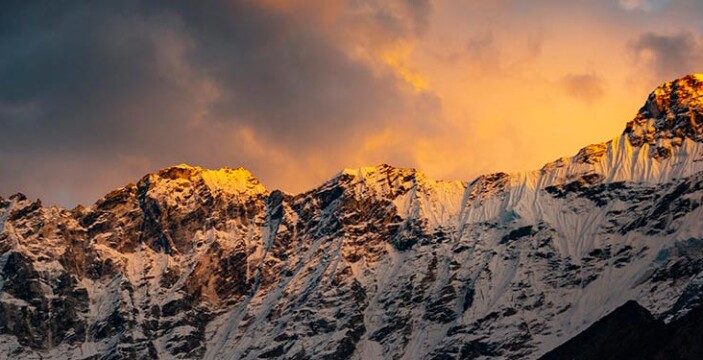
Trekking around the Annapurna Circuit is considered one of the world’s best long-distance treks. Every year, thousands of trekkers flood into the Annapurna region to undertake the journey around the Annapurna Circuit.
The trek rewards the trekker with an awe-inspiring view of the Annapurna mountains, ever-changing landscapes, friendly and welcoming people, ancient religious sites, legendary high passes, etc. No wonder why Annapurna Circuit is on every trekker’s bucket list.
So, if you are planning to do the Annapurna Circuit Trek and would like to learn more about the Annapurna Circuit before booking the trekking trip or are confused with anything regarding the trek, here are the answers: some of the most frequent questions about it.
These questions pop into everybody’s head when they decide to do the Annapurna Circuit Trek. Let this be your essential guide to this incredible trek and an invitation for an adventure.
Top 10 Frequently Asked Questions about Annapurna Circuit Trek
1. Annapurna Circuit Trek Distance: How long is the trek?
The total distance of this Annapurna Trekking mostly depends on the trek’s starting point and endpoint; thus, the trail’s distance can range from 160 km to 260 km. This trek can be done in as few as ten days to 28 days if you decide to do the entire circuit with a few side trips.
Generally, it will take around 10 to 14 days if you go for a shorter version of the trek and 18-21 days for the entire circuit.
Some example routes:
Besisahar to Nayapul (entire route) – 18 to 21 days
Besisahar to Birenthanti – approx. 17 days
Besisahar to Tatopani (then bus and jeep to Pokhara) approx. 15 days
Besisahar to Jomsom (then a flight or jeep to Pokhara) – approx. 13 days
Jagat to Tatopani – approx. 12 days
Chame to Jomsom- approx. Ten days
2. When is the best time to go to Annapurna Circuit Trek?
Although you can do it at any time of the year, the best season for Annapurna Circuit Trekking is during autumn (September to November) and spring (March to May). During these seasons, the weather and temperature are just perfect for trekking. Days are bright and sunny with clear blue skies. Thus, you can enjoy some excellent views of the Annapurnas and Dhaulagiri peaks.
Be aware that even though it is not monsoon season, the weather will still be warmer and humid in the lower regions, and you may face some unforeseen rainfall. It will also be much more relaxed at a higher altitude (above 3500m). Hence, it is recommended to carry warm gear to tackle the cold at higher elevations.
The Annapurna Circuit trek is moderately challenging in Nepal. That doesn’t mean that you have to be a professional athlete or experienced hiker to do this trek. You conquer this trek if you are physically fit and possess sound health. It would help if you had enough acclimatization and rest days before heading towards a higher elevation.
In the Annapurna Round Trek, you will hike through different terrain ranging from tropical grassland to snowy alpine terrains. The trail is full of rock steps, steep ascents, and descents full of loose rocks, and rivers crossing the trail in the most unexpected places, to name a few.
Furthermore, the trek will get much more complicated as you get to a higher altitude. So, take proper acclimatization and rest days.
4. Is there are risk of getting altitude sickness?
Since the Annapurna Circuit is a high-altitude trek that starts at 1000 m and takes you up to 5416m at Thorong La Pass, there is a risk of getting altitude sickness. Different people react differently to the altitude, no matter how fit or experienced hikers they are.
Thus, it would help if you learned about altitude sickness and what are its symptoms before hitting the trail. I recommend you consult with your local travel medicine specialist about altitude sickness, browse online, or attend one of the lectures organized in Kathmandu. Furthermore, keep yourself hydrated and take enough acclimatization and rest days to adjust to the altitude.
5. What is the accommodation in Annapurna Circuit Trek like?
Round Annapurna Trek is a famous teahouse trek in Nepal. So, finding accommodation along the trail won’t be a problem. However, pre-booking is recommended if you trek during the peak season.
Generally, the rooms in the teahouses are pretty basic and come with shared bathrooms. We will provide you with a blanket, but you may want to bring your sleeping bag as the nights can get very chilly and there is no heating system in the rooms. Plus, you must have food at the same lodge. Otherwise, you will not get the room.
6. How much money do I need?
2000 NPR (approx. US$20) per day should be fine for covering your room and three basic meals per day. If you want to splurge a bit more and buy some additional Snickers bars, have a continental meal for dinner, or drink hot chocolate, then think of spending up to 3000 NPR per day ($30).
Average prices:
room for three – 350 NPR
roll of toilet paper – 80 to 120 NPR
oatmeal – 250 NPR
Snickers bar – 150 to 350 NPR
fried rice- 350 NPR
Dal bhat – 400-600 NPR (don’t forget about free refills on this one!)
Yak burger – 900 NPR
Hot chocolate- 150 NPR
Keep in mind that the prices of food and accommodation get higher as you go higher in the elevation.
7. Where does the trek start, and where does it end?
The classic trekking route starts in Besisahar and ends in Nayapul. This may be the longer route, but it gives you enough time to acclimatize and enjoy the diverse landscapes and climate zones of the Annapurna Region and its rich cultural diversity.
However, if you have less time in hand, other options are to shorten the trek. Although the trek starts from Besisahar, you can drive up to Chame; it will lessen your trek by 1 to 2 days. After crossing the Thorong La pass, you can trek down to Jomsom and fly to Pokhara or take a local jeep or bus to Pokhara.
8. Do I need to obtain any trekking permits?
Yes. As the Annapurna region is inside the Annapurna Conservation Area, you will need the Annapurna Conservation Area Permit (ACAP) to enter the area. With ACAP, you will require a Trekker’s Information Management System Card (TIMS card). These Annapurna Trekking permits will cost you USD 23 each for an individual trekker.
You can get these permits from the Nepal Tourism Board (NTB) office in Kathmandu. You will require your passport and passport-sized photographs to apply for the permits.
9. Should I hire a guide/porter?
You can do Annapurna Circuit without a guide or a porter, but hiring a local guide and a porter is always good. Having an experienced guide makes your trek much more accessible as he will manage everything for you, and in addition, you will have more knowledge about the trek and the people.
And porters can ease the burden by carrying your stuff during the trek. If you have an existing medical condition such as back problems or bad knees, you should hire a porter.
Since you will be in the high-altitude mountainous region, there won’t be Wi-Fi in many trail areas. However, some teahouses offer Wi-Fi for free or for a little charge. However, It is better not to rely on the internet and enjoy the serene beauty of the Annapurna Region.
Furthermore, I didn’t find the question you would like to ask, or your query has not been listed above; please feel free to contact us for any trip-related questions.
In most of the Manaslu Circuit Trek itinerary, the starting point of the Trek is Arughat Bazar. However, instead of trekking from Arughat to Soti Khola, you get a local bus to drive to Soti Khola. This reduces a day of trekking and is around 13 km from your Manaslu Circuit Trek.
However, if you decide to hire us to manage the Trek, then Soti Khola is the starting point for the Trek in our itinerary.
Is Distance a Major Factor for Manaslu Circuit Trek Difficulty?
Talking about the difficulty of the Manaslu Circuit Trek is a moderately challenging trek. One of the most challenging parts of this Trek is crossing Larkya La Pass at 5125 meters. Furthermore, the Trek has many ascending and descending trails, and you will walk along steep and narrow ridges. So, you must be very careful!
Many factors, such as the duration of the Trek, altitude, weather, and temperature, determine the Manaslu Circuit Trek’s difficulties. Besides that, the total distance of the Manaslu Circuit Trek is also a significant factor in determining the difficulty of the Trek.
Since Manaslu Trekking is a long-distance trek, you will have to walk for a more extended period in a day. You will walk 6-7 hours daily to complete the Manaslu trek distance.
If you are trekking in Nepal for the first time, trekking distance can be a significant challenge. However, you can conquer this Manaslu Trek with proper training and preparation.
The Manaslu Circuit Trek is a moderate to strenuous level trek that takes us to the Manaslu region’s untouched areas. This Manaslu Circuit Trek distance day-to-day breakdown follows a standard itinerary. However, the itinerary can vary depending on the trekking route, the agency, and the guide you hire. Please get in touch with us if you have any further queries regarding the Manaslu Circuit trek or any other trek or tour in Nepal. Or, if you are unsatisfied with our itinerary, we can help you personalize your itinerary. Learn more on Manaslu Trek via “Manaslu Circuit Trek FAQs.”
Day 1: Arrival at Tribhuvan International Airport, Kathmandu
After you land at Tribhuwan International Airport, our company representative will wait at the arrival gate for your warm welcome. The representative will guide you to the allocated hotel at Thamel, Kathmandu.
Day 2: Kathmandu to Chamje
Total Distance: 209 KM
Estimated time: 10-11 hours
Max Altitude: 1430 m
Today, you will cover more distance than any other day on the entire Annapurna trek. You will reach the starting point of the trek today.
You will be driving from Kathmandu to Besisahar via a tourist bus, which will take around 7-8 hours to reach. Upon your arrival at Besisahar, you must change the vehicle to get to Chamje, another 3-hour ride.
Chamje is the starting point of the Annapurna Circuit Trek. From Besisahar to Chamje, the road crosses many villages, terraced rice fields, beautiful huts, river gorges, and cliffs. If the weather favors you, you can get beautiful views of mountains like Manaslu and Himalchuli. While taking a Jeep to Manang is possible, we strongly advise against it beyond Chamje due to the high altitude. Stopping the Jeep journey at Chamje allows sufficient time for your body to acclimatize to the changing conditions.
On and around Annapurna Circuit Trek
Day 3: Chamje to Dharapani
Total Distance: 14.8 km Estimated time: 5-6 hours Max Altitude: 1860 m
Gear up for a 5-6 hour adventure on the 14.8 km trek from Chamje to Dharapani! Hike alongside the Marsyangdi River, weaving through uphill climbs and descents. Cross thrilling suspension bridges, marvel at cascading waterfalls, and admire towering rock cliffs. Reach the charming village of Tal, the gateway to Manang District, and savor a well-deserved lunch. Then, continue towards Bagarchap before finally arriving at your destination for the day, Dharapani.
Day 4: Dharapani to Chame
Total Distance: 15.7 km Estimated time: 5-6 hours Max Altitude: 2160 m
The Dharapani to Chame trek on the Annapurna Circuit is a spellbinding journey, offering diverse landscapes, stunning vistas, and a glimpse into local life. Though a mere 15.7 kilometers, the 5-6 hour trek packs a punch with its enthralling experiences.
From Rocky Climbs to Enchanting Forests:
Starting in Dharapani, you’ll navigate a captivating rocky path, challenging your footing and rewarding you with breathtaking valley panoramas. As you reach Tyanja, the terrain transforms into a magical forest trail, sunlight dappling the mossy ground and crisp mountain air filling your lungs. Watch for colorful birds flitting through the trees and perhaps even catch a glimpse of shy wildlife.
Conquering the Kapar River’s Might:
At 2590 meters, the mighty Kapar River roars in your ears as you cross its suspension bridge. Feel the wind in your hair and the thrill of conquering this gushing torrent that carves through the valley.
Reaching Chame, Hub of Manang:
Finally, your exhilarating trek culminates in Chame, the bustling headquarters of the Manang District. This vibrant town, a hub for trekkers and locals, offers cozy guesthouses, shops, and delicious meals to reward your accomplishment. Immerse yourself in the local culture and celebrate your journey through this captivating landscape.
Day 5: Chame to Pisang
Total Distance: 13.6 km Estimated time: 5-6 hours Max Altitude: 3,250m
Brace yourself for a 5-6 hour adventure on the mostly uphill trail from Chame to Pisang! Immerse yourself in the beauty of lush green forests as you steadily climb, leaving the hustle of Chame behind. Along the way, you’ll pass the settlements of Bhratang and Dhukur Pokhari, offering glimpses into local life. Your journey culminates in Lower Pisang before a final uphill push to reach Upper Pisang, your destination for the day.
While the initial part may seem easy, be prepared for the challenge that increases as you ascend. But the effort is worth it! Pisang rewards you with majestic views of Annapurna II, a sight that will leave you breathless.
Day 6: Pisang to Manang
Total Distance: 17.2 km Estimated time: 6-7 hours Max Altitude: 3540 m
Brace yourself for a challenging and rewarding 6-7 hour trek on the 17.2 km path from Pisang to the iconic Manang village. Remember, we’ll be venturing well above 3,000 meters, so staying vigilant of altitude sickness and listening to your body is crucial. This journey delves deep into the dry and rugged Manang region, offering breathtaking landscapes and unforgettable experiences.
Embracing the Arid Beauty:
As you leave Pisang behind, prepare for a stark contrast to the lush forests. The Manang region presents a mesmerizing landscape of arid valleys dotted with scrub vegetation, towering cliffs casting dramatic shadows, and the sun painting the sky in vibrant hues. Embrace the unique beauty of this high-altitude terrain, a breathtaking contrast to your earlier journeys.
Two Steps to Manang:
The first leg of your trek leads you to Ngawal, a small village nestled amidst the dry mountains. This 4-5 hour stretch provides a gradual ascent, warming you up for the steeper climb ahead. After a well-deserved rest in Ngawal, prepare for another 2-3 hours of trekking as you navigate the final push to Manang via Ghyaru. The terrain may become more challenging, but the anticipation of reaching your destination will fuel your steps.
Reaching Manang, Gateway to the Himalayas:
Finally, your perseverance will be rewarded as you arrive in Manang, the bustling gateway to the Himalayas. This vibrant village offers a warm welcome with cozy guesthouses, local restaurants, and a sense of accomplishment that fills the air. Immerse yourself in the unique culture of Manang, savor a delicious local meal, and celebrate your incredible trek through the rugged beauty of the dry region.
Day 7: Acclimatization day in Manang.
Welcome to a well-deserved day of rest and acclimatization in the charming village of Manang! Nestled at 3,400 meters above sea level, Manang offers the perfect blend of tranquility and exploration, allowing you to adjust to the higher altitude while uncovering its unique treasures.
Rest and Recuperation:
Take this day to prioritize your well-being. Stroll through the cobbled streets, soak in the sunshine on a rooftop cafe, or curl up with a book in a cozy guesthouse. Remember, proper acclimatization is key to enjoying the rest of your trek, so embrace the slower pace and let your body adapt to the thin mountain air.
A Dive into Manang’s Charms:
Beyond restful rejuvenation, Manang beckons with its captivating character. Immerse yourself in the warm hospitality and rich traditions of the Manang people. Discover the vibrant marketplace, bursting with colorful yak wool garments, local souvenirs, and mouthwatering delicacies. Don’t miss the Manang Gompa, a Buddhist monastery offering a glimpse into the spirituality of the Himalayas.
Adventure Awaits for the Energetic:
For those feeling a surge of energy after a good night’s rest, Manang offers enticing options to enrich your experience further. Consider a scenic walk to Gangapurna Glacier (3,800 meters), where you can witness the majestic ice giants up close and marvel at their mesmerizing power.
Alternatively, the stunning Ice Lake beckons with its breathtaking beauty. However, remember that reaching Ice Lake requires careful planning and proper acclimatization due to its higher altitude. Consult your guide to ensure you’re well-prepared for this potentially challenging yet rewarding adventure.
Whether you choose to rest, explore, or even venture a little further, remember that Manang is your haven in the breathtaking Himalayas. It’s a place to recharge, rejuvenate, and prepare for the exhilarating experiences that await. So, breathe deep the crisp mountain air, savor the serenity of the village, and get ready for the next chapter of your incredible journey!
Day 8: Manang – Yak Kharka
Total distance: 10 km Time duration: 5-6 hours Max. altitude: 4,018m
Leaving the bustling town of Manang behind, the trek to Yak Kharka unfolds like a scenic painting, offering a welcome respite from the strenuous climbs of previous days. While the distance of 10 kilometers might seem relatively short, don’t underestimate the allure of this path. It promises gradual ascents punctuated by moments of breathtaking grandeur, making it a perfect day to soak in the essence of the Himalayas.
The trail winds its way through verdant valleys and rugged moraines, revealing glimpses of snow-capped peaks that pierce the azure sky. As you gain elevation, the air thins, but the panorama expands correspondingly. Jagged ridges adorned with prayer flags rise like sentinels, and the vast expanse of the Himalayas stretches before you, a sea of white peaks under a canvas of endless blue.
Despite the occasional steep section that puts your heart rate to the test, the overall terrain is forgiving, allowing you to find your rhythm and truly appreciate the scenery. Lush meadows dotted with wildflowers give way to rocky outcrops carpeted with colorful lichens, each step revealing a new detail in the mountain tapestry.
The culmination of this gentle climb arrives at Yak Kharka, a quaint village nestled at 4,018 meters. Reaching this maximum height of the day will fill you with a sense of accomplishment, while the stunning panorama from your perch atop the world will surely take your breath away. Witness the sun dance on the snowy peaks, paint the valleys in warm hues, and cast long shadows that stretch across the land, a fitting reward for your efforts.
Whether you choose to spend the afternoon exploring the village, basking in the mountain glow, or simply journaling your experiences, Yak Kharka offers a tranquil haven at the end of this rewarding trek. Remember, savoring the journey is just as important as reaching the destination, so pace yourself, breathe deep, and let the magic of the Himalayas seep into your soul.
Day 9: Yak Kharka – Thorong Phedi – High Camp
Total distance: 6 km Time duration: 4-5 hours Max. altitude: 4,540 m
Today’s trek from Yak Kharka to Thorong Phedi packs a punch. While only 6 kilometers in distance, this section ranks among the most challenging on the Annapurna Circuit, demanding both physical and mental grit from every step. Brace yourself for harsh terrain, relentless ascents, and a battle against the thin air of high altitude.
The trail transforms from the gentle slopes of Yak Kharka into a rugged gauntlet. Crumbling scree and wind-whipped valleys become your companions; each rise in elevation leaves your lungs begging for more oxygen. Every turn seems steeper, every step heavier, but within this hardship lies an undeniable thrill.
For first-time trekkers, Thorong Phedi can be a daunting test. The thin air and constant ascents can push your limits, demanding patience, a measured pace, and a deep respect for the mountain’s power. But remember, this challenge is also an opportunity. It’s a chance to discover your inner strength, to push beyond perceived limitations, and to experience the raw beauty of a landscape sculpted by ice and wind.
As you conquer each incline, savor the reward of breathtaking panoramas. Watch the Himalayas stretch out before you, a tapestry of snow-capped peaks and glacial valleys. Each labored breath fills your lungs with the crisp mountain air, a reminder of the raw power of nature and your remarkable resilience.
Reaching Thorong Phedi won’t just mark the end of a grueling trek; it will be a personal triumph, a testament to your grit and determination. It’s a moment to celebrate with fellow trekkers, share stories of struggle and triumph, and bask in the satisfaction of knowing you’ve faced and conquered one of the toughest sections of the Annapurna Circuit.
So, take a deep breath, embrace the challenge, and prepare to push your boundaries. Today’s trek is not just about distance; it’s about a journey of self-discovery, a chance to prove to yourself that anything is possible with an unwavering spirit and a determined heart. Remember, the reward at Thorong Phedi is more than just reaching a destination; it’s the unforgettable feeling of surpassing your expectations and standing tall amidst the majestic Himalayas.
Day 10: Thorong Phedi – Thorung La Pass – Muktinath
Maximum altitude: 5,430m (Thorung-La Pass) & 3,800m (Muktinath) Total distance: 16.4 km Time duration: 6-7 hours
Day 10 dawns as the most epic chapter of the Annapurna Circuit. Today, you stand at the foot of the legendary Thorong La Pass, a 5,430-meter titan guarding the passage between worlds. The air is thin, the path steep, and the challenge undeniable, yet the reward promises to be etched in memory forever.
The first steps are deliberate, each breath measured as you ascend the unforgiving trail. Time stretches, muscles burn, and lungs yearn for more oxygen. But amidst the struggle, a breathtaking panorama unfolds. Snow-capped peaks pierce the azure sky, glacial valleys carve through the rugged landscape, and the Himalayas paint a masterpiece for your soul.
Reaching Thorong La Pass before 10:00 AM is not just a deadline; it’s a testament to your resilience. The wind, notorious for its unpredictable fury, waits just beyond that golden hour. So, you climb with determination, fueled by the thrill of conquering this ultimate test of nature.
And then, you stand there, atop the world. At 5,430 meters, the Himalayas bow before you, a tapestry of snow, ice, and rock painted under a boundless sky. Tears might well up, a silent celebration of your triumph over physical and mental limits. This is a moment for reflection, for sharing stories with fellow adventurers, and for etching this victory into the fabric of your being.
But the journey isn’t over. The descent to Muktinath is a pilgrimage in itself. Winding your way through yak pastures and prayer flag-strewn valleys, you’ll arrive at the holy shrine, a sacred refuge for Hindus and Buddhists alike. The golden pagoda and 108 water spouts whisper tales of ancient deities and spiritual healing, offering a unique blend of peace and awe.
By the end of Day 10, you’ll have crossed not just a mountain pass but a threshold of experience. You’ll have tested your limits, discovered your inner strength, and witnessed the raw beauty of a world untamed. Thorong La Pass and Muktinath are more than destinations; they are portals to an unforgettable chapter in your story, a testament to your unwavering spirit and an adventure you’ll forever carry in your heart.
Thorong La Pass – Annapurna Circuit Trek
Day 11: Muktinath – Tatopani, Natural hot spring via Jomsom.
Total Distance: 78.4 km Estimated time: 3-4 hours Max Altitude: 1190 m
Having bathed in the spiritual warmth of Muktinath, your journey next takes you on a scenic drive to Tatopani, the “hot water” in Nepali that whispers the promise of rejuvenation. The 3-4 hour ride itself is a feast for the eyes, winding through valleys sculpted by ancient glaciers and painted with the vibrant strokes of prayer flags fluttering in the wind.
As you arrive at Tatopani, a hush falls over you. The gurgle of the Kali Gandaki River and the steam rising from the natural hot springs create a symphony of sound and scent. Time seems to slow, inviting you to shed the dust of the trail and immerse yourself in nature’s healing embrace.
Legend whispers that these thermal waters possess magic, a balm for the aches and stresses of the trek. Step into the milky turquoise pools and feel the tension melt away as the warmth seeps into your muscles. Let the weight of the journey fade with each sigh, replaced by a newfound lightness.
But take heed, traveler! The waters, like the mountains themselves, can be potent. Respect their power, dip in cautiously, and savor the sensation as your body finds solace in their natural embrace.
Emerging from the pools, don’t be surprised if you feel reborn. The trek’s fatigue seems a distant memory, replaced by a sense of revitalization. Tatopani’s thermal gift is one not soon forgotten, a testament to the restorative power of nature and a fitting reward for your Himalayan exploration.
So, take a deep breath, soak in the warmth, and let Tatopani wash away the weariness. This is a moment to celebrate your journey, to embrace the present, and to prepare for the adventures yet to come. Remember, the road ahead may bring new challenges, but Tatopani’s touch will linger, a reminder of the healing power of nature and the resilience of your spirit.
Day 12: Trek down to Ghorepani
Total Distance: 13.1 km Estimated time: 7-8 hours Max Altitude: 2850 m
Today’s trek is a tapestry of contrasts woven with the initial sting of a steep uphill, the gentle sway of suspension bridges, and the emerald embrace of a lush forest. It’s a 13.1 km journey that unfolds over 7-8 hours, culminating in the mountain haven of Ghorepani, renowned for its awe-inspiring sunrises and panoramic vistas of the Annapurna range.
As you set off, prepare for a muscular challenge. The trail ascends steeply, flanked by terrace farms and charming Gurung settlements. Each step is a testament to your resolve, but the reward unfolds with every turn – the vibrant patchwork of cultivated land, the warm smiles of the locals, and the promise of breathtaking views yet to come.
Then, the landscape shifts. Your footsteps find rhythm on the swaying grace of suspension bridges, each crossing a thrill suspended over rushing mountain streams. The air turns cool and fragrant as you enter a lush green forest, a cathedral of towering trees and sun-dappled paths. Here, the pace slows, and the trek transforms into a meditative journey, a communion with nature’s verdant heart.
Finally, after the refreshing descent from Chaitre, Ghorepani welcomes you with open arms. This quaint village, nestled amidst the Himalayas, is more than just a resting point; it’s a gateway to a spectacle etched in memory forever.
At dawn, watch the first rays of the sun kiss the snow-capped peaks of the Annapurna range, painting the sky in a symphony of gold and crimson. The panorama sprawls before you, a breathtaking canvas of majestic mountains and valleys painted in the morning light. It’s a moment of quiet awe, a whispered promise of the beauty that awaits on the remaining days of your adventure.
So, prepare your boots, embrace the challenge, and savor the contrasts of today’s trek. Beyond the climb, the bridges, and the forest lies Ghorepani, a prelude to sunrises that ignite the soul and mountain vistas that forever redefine breathtakingly.
Day 13: Early morning hike to Poon Hill, descend to Tikhedhunga, and drive to Pokhara.
Total Distance: 3 km & 35 km(drive) Estimated time: 5-6 hours Max Altitude: 3210 m
Today dawns as a bittersweet symphony. The air thrums with a quiet thrill – it’s the final day of your Annapurna Circuit trek, a culmination of countless steps, breathtaking vistas, and moments etched in memory. Yet, beneath the excitement lies a whisper of sadness, a farewell to the rugged beauty that has become your companion.
But let this final day be a crescendo, a triumphant finale played out on the stage of Poon Hill. Prepare for an hour’s exhilarating climb, your breaths mingling with the crisp mountain air, your muscles working in practiced harmony. As you reach the summit, the world around you explodes in a symphony of light and color.
Sunlight cracks through the horizon, painting the snow-capped peaks of the Annapurna range in hues of gold and crimson. The entire panorama unfolds before you – a magnificent tapestry of glaciers, valleys, and peaks, a breathtaking testament to the power of nature. Stand there, bathed in the golden glow, and let the immensity of it all wash over you.
This sunrise at Poon Hill isn’t just a spectacle; it’s a celebration. It’s a thank you to your legs that carried you, your lungs that breathed for you, and your spirit that never faltered. It’s a moment to savor the journey, to acknowledge the challenges you conquered, and to bask in the quiet pride of accomplishment.
But the trek, like all beautiful stories, must end. Descend back to Ghorepani, carrying the sunrise in your heart, and embark on the final leg to Tikledunga. From there, a comfortable drive whisks you back to Pokhara, the city that welcomed you at the beginning of your adventure.
Pokhara, however, has a surprise in store. Spend the rest of your day exploring its serene lakes, vibrant bazaars, and charming cafes. Witness the sun setting over Phewa Tal, painting the water in a palette of fire. As night falls, delve into the city’s lively nightlife, a fitting final act to your Annapurna adventure.
Let Pokhara embrace you with its laughter, its music, and its warm hospitality. Savor every moment, for soon, you will return to the familiar, carrying within you the echoes of mountains, the whispers of wind, and the memories of a journey that redefined the meaning of adventure.
Remember, the Annapurna Circuit isn’t just a trek; it’s a transformation. You came as a traveler, but you leave as a storyteller, bearing tales of hardship and triumph, of breathtaking beauty and newfound strength. Carry these stories with you, let them weave their magic into your life, and remember, the mountains will always be there, waiting for your return.
Day 14: Pokhara – Kathmandu
Total distance: 200 km Time duration: 8-10 hours drive Maximum altitude: 1,400m
Annapurna Circuit trek concludes with a drive back to Kathmandu from Pokhara. The total distance from Pokhara to Kathmandu is around 200 km, which will take 8 to 10 hours to cover. The scenery provides you with green landscapes and a view of the snow-capped mountains.
Day 15: Final Departure
It is the last day of your most memorable trek. Our representative will manage and guide you to the Tribhuwan International Airport 3 hours before your departure.
Before going on any Nepal trek, you know the best time to visit the destination. Annapurna Circuit Trek is a daring and high-altitude trek; you must be well-prepared.
The best time for the Annapurna Circuit Trek is during autumn and spring. Although each season has something unique to provide to the trekkers, trekking in the best season will offer the best trekking conditions with an excellent view of the surrounding mountains.
Learn more about why these seasons are considered the best time to set on the Annapurna Circuit Trek below:
1. Autumn Season (September to November )
Autumn is the peak season for trekking in Annapurna Circuit. Since the autumn season begins at the end of the monsoon season, the weather and temperature are perfect for trekking.
Days are consistently bright and sunny with clear blue skies. Thus, you can enjoy a picturesque view of the massive Himalayas and mesmerizing landscapes. In addition to that, there is very little chance of rainfall during autumn.
However, if you are trekking in early September, you may experience occasional rainfall. The temperature is mild during the day but can drop below zero at night.
2. Spring Season (March to May)
Spring is the second-best time for Annapurna Circuit Trek. Spring is also known as the season of colors. The vegetation during spring is in full blossom. You will walk through a beautiful lush forest with colored wildflowers and Rhododendron blossoms.
The weather and temperature during spring are just as good as in autumn. Days are bright and sunny with low white clouds, making the sky look even more beautiful. The weather and temperature also remain stable for the long day span.
Trekking during the best season helps you cover the Annapurna Circuit Trek distance with minimum effort.
Is Distance a Major Factor for Annapurna Circuit Trek Difficulty?
Essential things to know before Annapurna Circuit Trek
Annapurna Circuit Trek is a moderately challenging trek in Nepal, and the trekking distance is an essential factor determining the trek’s difficulty. You will have several uphill and downhill climbs and steep and narrow ridges.
Besides altitude, weather, duration, and temperature, distance plays a significant role in determining the difficulty of the Annapurna circuit trek. Longer distance means the treks are more extended, thus increasing the trek’s overall difficulty.
To complete the total Annapurna Circuit Trek distance, you must walk 6-7 hours daily for 12 to 13 days. If you are a first-time trekker, you may find it challenging to trek continuously. Hence, trekking distance is a significant factor in the trek’s difficulty.
Although this 15-day Annapurna Circuit Trek is demanding, this trek will let you experience the most magical moment of your life. Successfully covering the Annapurna Circuit Trek distance and seeing the glorious mountain gives you a one-of-a-kind experience.
So, if you are searching for a trekking destination that gives you the experience of a lifetime, then Annapurna Circuit Trek is the one for you. Feel free to contact us with further questions or queries regarding this trek.
[contact-form-7 id=”bec8616″ title=”Inquiry From – Blog”]
If you want to add a couple of days to your EBC trek itinerary, you can do some real mountaineering and climb a peak in the Himalayas above 60000m. Nepal’s most often climbed mountain is Island Peak (6,189m/20,305ft), known in Nepal as Imja Tse. It is a real climb, adventure, and severe mountaineering; it does not mean trekking; technical skills and equipment are required to climb this peak. The peak is considered the perfect choice for a novice climber because it is not very professional, but it requires some mountaineering skills since it is considered climbing on ice, and snow is involved.
Island Peak is usually ascended as part of an Everest Base Camp trek expedition as a three-day extension. Before we summit, the climbing crew will teach us the mountaineering skills required to climb the Island Peak. We should receive ladder training and practice selling and juggling. We should be physically fit and master these skills during training before the final ascent. Be confident and prepare your sharp mind.
Island Peak Climbing
Please don’t take this climb as the lights; it is dangerous. Mastering a 6000m peak in the Himalayas is an outstanding achievement; pick a company with a good reputation for this excursion. Before you join this trip, you should be healthy. Climbing Island Peak is not a cheap tour; you should expect to pay between $3000 and $5000 for a 19- to 23-day tour, including trekking to Everest Base Camp, trekking training, and climbing Island Peak.
Everest Base Camp Trek Difficulty
The total distance of the EBC trek is 130 km.
Talking about the Everest Base Camp Trek Difficulty, we will walk more or less than 15 km per day for about two weeks. The trek has ups and downs, and the roads are not flat walking surfaces. This EBC trek doesn’t require super fitness. The altitude sickness is quite a severe difficulty in this trek as our journey starts at 3000m and climbs 2400m further to reach base camp at 5365m.
Mainly, your problem with the EBC trek is influenced by a porter who can make it much more comfortable here and in the season; it is more challenging if you are cold and miserable. We will walk for 4 or 6 hours for 12 days and have an acclimatization day. If you are fit, you can do this while carrying your backpack. And having porters makes it even easier.
Best time for Everest Base Camp Trek
There are two main seasons for trekking to EBC. The best time for the Everest Base Camp trek is in the pre-monsoon season through March, April, and May, and the post-monsoon season from late September, October, and November.
Post Monsoon: Best Time for EBC Trek
Post-monsoon is one of the best seasons. Post-monsoon starts from late September to November. It is the month with the least haze and clouds. This period will provide better views of these spectacular mountains. This period is colder, but a great time to hike to Gokyo Lakes. It is a post-monsoon season for trekking, but October is one of the busiest months that will disturb us while trekking to meals and tea houses.
December- February is still possible, but very cold, up to 30 centigrade at night. There will be falls of snow on the trail. There will be fewer crowds, but there will be proper equipment.
Pre-monsoon: Best Time
This month will be stiff and mostly stable, which will be great for trekking. Most trekkers choose the months of February to May for the excellent trek.
The march will have an attractive landscape; I prefer the spectacular snow-covered mountains. This season is also one of the cold months. In February, there will not be a lot of snowfall in Chola Pass at 5420m on the way to Gokyo Ri, which will enable us to extend our hours over the Gokyo lakes. If you want to enjoy the Everest Base Camp Trek, you can visit every month.
The Everest Base Camp trek is a trek of a lifetime. However, you have to consider many factors before starting your trek there. It will be the most fantastic trekking experience if you are well prepared.
We hope this complete guide to the Everest Base Camp Trek helps you plan your trip well. Please get in touch with us if you have any questions or queries regarding this trek or any other trek in Nepal. We will be happy to help you organize this trek.
Upon touching down at Kathmandu’s Tribhuvan International Airport, a warm reception awaits you from the Peregrine Treks and Tours team. They will help you with your bags and guide you to your accommodation.
Kathmandu, Nepal’s capital, is a captivating mix of the old and the new. Spend the remainder of the day recovering from your trip or exploring the city’s lively streets, historical temples, and bustling markets. A pre-trek meeting will be held to get you ready for the Annapurna Circuit Trek adventure.
Day 02: Jeep Drive to Chamje (1430m) via Besisahar (830m), 7-8 hours
Day two sets the stage for your Annapurna Circuit adventure. Post breakfast; you’ll set off on a beautiful drive to Chamje, passing through the charming town of Besisahar. The journey offers magnificent vistas of terraced farms, rivers, and authentic Nepali villages.
Once in Chamje, you’ll have the opportunity to explore and adjust to the altitude. A tasty dinner and rest will prepare you for the trekking days.
Day 03: Chamje to Dharapani (1960m) Trek, 6-hour hike
After breakfast, the trek from Chamje to Dharapani begins. The path winds through verdant forests and crosses multiple suspension bridges over the Marsyangdi River. Witnessing local daily life, you’ll traverse picturesque villages like Tal and Karte.
The trek unveils stunning waterfalls and mountain views. Upon reaching Dharapani, you can unwind and soak in the tranquil surroundings. This part of the Annapurna Circuit Trek uniquely blends nature’s splendor and cultural richness.
Day 04: Dharapani to Chame (2630m) Trek, 5-6 hours
Day four leads you to Chame, Manang’s district capital. The trail climbs through thick forests, offering glimpses of Annapurna II and Lamjung Himal. Passing through Bagarchap and Danaque, you can explore ancient monasteries and experience local hospitality.
In Chame, relax in the hot springs and marvel at the mountain scenery. The town is a perfect fusion of natural allure and cultural wealth, making it a memorable stop with Peregrine Treks and Tours.
Crossing suspension bridge during Nepal Annapurna Circuit Trek
Day 05: Pisang (3300m) Trek, 5-6 hours
Stunning alpine views, including Annapurna II and Pisang Peak, accompany the hike to Pisang. The trail meanders through pine forests and quaint villages, providing insights into local customs. In Pisang, the breathtaking Annapurna range welcomes you.
Explore the village, visit the ancient Pisang Monastery, and savor the peaceful ambiance. The day concludes with a comfortable dinner and rest, gearing up for the next Annapurna Circuit Trek phase.
Day 06: Manang (3570m) Trek via Ghyaru, 5 hours
Day six escorts you to the culturally vibrant village of Manang through Ghyaru. The trail rises steeply to Ghyaru, showcasing panoramic Annapurna range views. You’ll traverse terraced fields and age-old villages, observing the region’s unique architecture and lifestyle.
In Manang, explore the village, visit local monasteries, and delve into the area’s rich cultural heritage. Manang is a significant Annapurna Circuit Trek stop, blending natural splendor and cultural discovery.
Day 07: Acclimatization in Manang
Acclimatizing is vital for a successful trek, and Manang is an ideal location for a rest day. Explore the village, visit the Himalayan Rescue Association, and learn about altitude sickness prevention. Short hike options include stunning Gangapurna Lake or ancient Bhojo Gompa.
Savor local dishes, engage with villagers, and immerse yourself in the region’s rich culture. This day with Peregrine Treks and Tours helps you physically and mentally prepare for the Annapurna Circuit Trek’s upcoming challenges.
Day 08: Yak Kharka (4110m) Trek, 3-4 hours
The journey to Yak Kharka is brief but picturesque. Ascend through alpine meadows and juniper woods, enjoying the tranquil landscapes. Yak Kharka offers stunning Gangapurna and Annapurna III views, and you may even see yaks grazing.
The shorter trekking day allows for relaxation and further acclimatization, which is crucial for the higher elevations ahead. Enjoy the calm surroundings and prepare for the next Annapurna Circuit Trek stage with Peregrine Treks and Tours.
Annapurna Circuit Trek Itinerary
Day 09: Thorong Phedi (4650m) Trek, 3-4 hours
Day nine brings you to Thorong Phedi, the demanding Thorong La Pass base. The trek reveals awe-inspiring mountain and landscape views. You’ll pass through Ledar, admiring the Himalayas’ grand beauty. In Thorong Phedi, rest and prepare for the upcoming climb. The high altitude and rugged terrain make this Annapurna Circuit Trek segment challenging and gratifying.
Day 10: Thorong Phedi to Muktinath (3800m) via Thorang pass (5416m), 7-8 hours
The climb to Thorong La Pass is the pinnacle of the Annapurna Circuit Trek. Starting early, you’ll ascend steadily to the trek’s highest point, 5416 meters. The pass’s views are unparalleled, offering a sweeping view of the Annapurna and Dhaulagiri ranges.
After some time at the pass, descend to Muktinath, a vital pilgrimage site for Hindus and Buddhists. The sense of achievement and Muktinath’s spiritual significance make this day truly memorable.
Thorong La Pass – Annapurna Circuit Trek
Day 11: Tatopani (1100m) Jeep drive, 7-8 hours
After conquering Thorong La Pass, embark on an exciting jeep drive to Tatopani. The drive descends through stunning landscapes, subtropical forests, and terraced fields. Tatopani, renowned for its natural hot springs, is a perfect place to relax and rejuvenate.
Soak in the springs, enjoy local food, and reflect on the Annapurna Circuit Trek’s incredible journey. Tatopani’s hospitality and warmth perfectly conclude an exhilarating day with Peregrine Treks and Tours.
Day 12: Ghorepani (2800m) Trek, 6 hours
The hike to Ghorepani takes you through rhododendron forests and traditional Gurung and Magar villages. Enjoy stunning views of Annapurna South, Himchuli, and Machapuchare. Ghorepani, a popular Annapurna Circuit Trek stop, is known for its scenic landscapes and friendly hospitality.
Explore the village, mingle with locals, and enjoy a cozy evening in a teahouse. Ghorepani’s beauty and cultural richness make it a memorable stop with Peregrine Treks and Tours.
Day 13: Poon Hill (3210m) Early Morning Hike, Tikhedhunga Descent, 8-hour drive to Pokhara
Begin your day with an early hike to Poon Hill, one of the Annapurna region’s most renowned viewpoints. Experience a breathtaking sunrise over the Himalayan peaks, including Annapurna, Dhaulagiri, and Machapuchare.
After the views, descend to Tikhedhunga and drive to Pokhara, a city known for its lakes, caves, and lively nightlife. Spend an evening by Phewa Lake, reflecting on the unforgettable Annapurna Circuit Trek experience with Peregrine Treks and Tours.
Day 14: Kathmandu Drive from Pokhara, 5-6 hours
Post breakfast, enjoy a picturesque drive from Pokhara to Kathmandu. The journey offers a final opportunity to savor Nepal’s beautiful landscapes. Once in Kathmandu, explore the city, shop for souvenirs, or relax at the hotel.
Celebrate the successful Annapurna Circuit Trek with a farewell dinner, sharing stories and memories with fellow trekkers and the Peregrine Treks and Tours team.
Day 15: Farewell
Your Annapurna Circuit Trek adventure concludes as Peregrine Treks and Tours assist with your departure. You’ll depart with lifelong memories, whether off to the airport or continuing your travels. The trek’s beauty, culture, and friendship will linger long after you’ve left the majestic Himalayas.
This comprehensive Annapurna Circuit Trek itinerary with Peregrine Treks and Tours is crafted to ensure an unforgettable experience guided by the team’s expertise and local insights. Relish the varied landscapes, rich culture, and unparalleled beauty of the Annapurna region, knowing that every detail has been meticulously planned for your pleasure and safety.
Best Time for 15 Days Annapurna Circuit Trek
Essential things to know before Annapurna Circuit Trek
The best seasons for Annapurna Circuit Trek 15 Days are Autumn and Spring. These two seasons offer the best experience for trekking. It is also one of the peak times for trekking in Nepal.
1. Autumn (September, October, November)
Autumn is the best time to trek around Annapurna Circuit. Since Autumn comes after the monsoon season, the skies are usually clear and bright in Autumn, and the climate is perfect for trekking. Hence, many trekkers flood the Annapurna region due to the excellent weather conditions.
However, if you are trekking during early September, you may see occasional rainfall, but the temperature is humid and mild in the lower Annapurna region.
You will have refreshing weather, excellent mountain visibility, and natural beauty during Autumn. Almost every teahouse and lodge is open for trekkers. So, you need to worry about your food and accommodation. However, the teahouses packed very soon due to the number of trekkers in the region. Thus, pre-booking is recommended.
2. Spring (March, April, May)
Spring is the second-best time of the year for Annapurna Circuit Trek after Autumn. The Annapurna Circuit weather and temperature during Spring are just as soothing and refreshing as in Autumn.
Spring is the season of color. It is the time when new plants grow and rhododendrons bloom. Along the Annapurna Circuit trail, you can see a forest filled with colorful wildflowers and rhododendrons.
Spring is the pre-monsoon period; you may get showered with light rainfall if you trek in late May.
15 days Annapurna Circuit Trek Difficulty
The 15 Days Annapurna Circuit Trek is Nepa’s moderately complex trekking destination. However, beginner trekkers can also do this with proper training before the trek. The trek’s highest and most challenging part is the Thorong La Pass, 5416 meters above sea level.
The weather is unpredictable at this altitude. Due to this, most people complain about the difficulty they face while crossing the pass, especially during winter and monsoon.
In the 15-day Annapurna Circuit trekking, you will be walking through a few ridges, but the trek does not require any ropes and ladders. The 15-day Annapurna Circuit trek range ranges from 160 to 230 kilometers.
Hence to complete the trek, you must walk 6-7 hours a day through the steep, rugged terrain or even in the snow. So, this may be quite a challenge if you are trekking in Nepal for the first time.
Similarly, altitude sickness is the most common Annapurna Circuit Trek difficulty that most trekkers face. As you must trek up to a height above 5416 meters, facing altitude sickness is not new. At such a height, the oxygen level in the air shifts very low, which causes difficulty in breathing.
So, if you encounter any symptoms of Acute Mountain Sickness (AMS), such as headache, dizziness, nausea, and vomiting, descend to a low altitude as quickly as possible.
Going in a group or at least two is always better if you are going for high-altitude trekking in Nepal. Since the 15 Days, Annapurna Circuit Trek Itinerary is a challenging and high-altitude trek, you do not want to risk trekking it alone. Also, some teahouses and lodges may not allow solo trekkers during peak season. Hence, I recommend you travel in a group.
However, if you have decided to trek solo, hire a guide or a porter. They can make your trek much more accessible. An experienced trekking guide will give you all the information about the trek and arrange everything, such as food and accommodation, for you in advance.
Similarly, porters will help you carry all your belongings throughout the trek, making it easy. Therefore, there are various benefits of trekking to the Annapurna Circuit with a guide rather than solo trekking.
On the way to Thorong La Pass – Annapurna Circuit Trek Itinerary
Annapurna Circuit Trek 15 days Cost
Regarding trekking in Nepal, the trekking cost is the primary concern for any budget trekker. Generally, the Annapurna Circuit Trek costs you around USD 900 to USD 1500, depending on the trekking route and the service you desire while trekking.
Your Annapurna Circuit Trek costs vary depending on transportation, accommodation, food and drinks, guides, etc.
Please check our detailed breakdown of the Annapurna Circuit Trek Cost for more information regarding the trekking cost.
Tips for Annapurna Circuit Trek 15 days
Pre-booking is recommended if you are trekking in the peak season.
Try a walk at a slow and steady pace.
Alcohol consumption is highly prohibited. Since it causes dehydration, there is a high risk of altitude sickness.
Pack the necessary trekking gear depending on the year you are traveling. And avoid unnecessary things while packing.
Always keep yourself hydrated and have one or two days for acclimatization.
Carry some snacks and high-energy bars for the trail.
Packing List for Annapurna Circuit Trek 15 days
Your 15 Days Annapurna Circuit Trek Packing list depends on the season you are traveling. If you are trekking in the winter, you may have to carry many clothes and gear. But, during Autumn and Spring, your packing list may be lighter.
Some of the essential items that you will need during your Annapurna Circuit trek for 15 Days are as follows:
Annapurna Circuit Trek’s 15-day Itinerary offers much for passionate trekkers like you. And I bet you won’t regret going on this Annapurna Circuit trekking but would rather have an inspiring and uplifting experience.
The exciting and adventurous trekking trails around the Annapurna region will bless you with unforgettable memories that you will always admire for a lifetime.
Peregrine Treks and Expedition embrace you to have this breathtaking trek to the Annapurna Circuit. Our experienced staff and representatives team will help you throughout your 15-day trip. Don’t hesitate to contact us with questions regarding this 15-day Annapurna trek. We will be more than happy to help you.
[contact-form-7 id=”6913″ title=”Inquiry From – Blog”]
Here are a few tips to keep in mind before you specify the item in the Annapurna Circuit Trek packing list:
1. Know about the trekking season in Nepal
The trekking season significantly impacts where and how you can trek and what you must pack. The best time for the Annapurna Circuit Trek is Autumn (October and early December) and Spring (late February to April). But if you decide to trek in the winter or monsoon season, you must hike in heavy snow or rain, meaning you’ll need to bring sufficient weatherproof gear.
2. The weather never stays constant.
The Annapurna Circuit trail takes you from tropical plains to alpine climatic zones. It will be hot sometimes, and you will walk in shorts and T-shirts. On other days, you’ll wear all your clothes as the 15 °Cc temperature and brutal winds freeze your water bottle solid.
Make sure you’re well prepared for both!
2. Only pack what you need.
If you are not a solo traveler, you may have a guide and porter/s for your trek. Since porters are also humans, please help them by packing only what you need (10kgs or so).
4. You can buy lots of hiking gear in Kathmandu.
If you are short of any gear or equipment, you can easily buy it in Kathmandu. You can either buy it or rent it from Thamel.
On and around the Annapurna Circuit Trek
Backpacks for the Annapurna Circuit Trek
1. Supportive Daypack
This is the backpack that will be with you on the overall trek. Thus, it will be full of your essential, high-energy hiking snacks. Still, you also need to space for an extra jumper or your down jacket, hiking trousers, electronics, water, sunscreen, a hat, and other personal items.
Hence, we recommend buying a supportive daypack with enough capacity for your essentials, comfortable support, and a waist strap.
2. Packing Satchel
Losing track of your gear is a common thing while trekking. And finding the stuff you are looking for can be pretty frustrating.
Thus, a pouch helps you categorize everything, like clothes, electronics, and spare warm gear, and keep them neatly separated.
3. A Big Rucksack
Are you a solo traveler? If yes, then this is for you.
A big rucksack is only convenient for solo trekkers in the Annapurna Circuit, trekking with any porters or guides.
Make sure your rucksack has excellent, comfortable back support and a waist strap. As the trekking days will be long, steep, and exhausting, they must be as comfortable as possible.
4. Waterproof Dry Bag
Having wet gear during the trek is the worst thing that can happen to you. Thus, it would help to have a waterproof dry bag to save all your stuff from the rain. Especially if you are trekking during the monsoon season, it is highly recommended.
Hence, you will require a good-sized waterproof dry bag with plenty of space for your gear and snacks to protect them from rain and dust.
When packing clothing for the Annapurna Circuit Trek, try to pack lightweight, breathable fabrics that are quick-drying, moisture-absorbing, and easily cleaned by hand.
Layering is vital for clothing during your Annapurna Circuit trek. You will start your trek at 830 meters in Besisahar and go to the trek’s highest point at 5,416 meters in Thorong La Pass. Hence, laying the clothes depends on the altitude and the weather conditions.
You start with thermal wear on cooler days and add multiple layers, such as tees, woolen jumpers, and fleeces on top that you can easily take off when the day gets warmer.
The clothing occupies the most significant amount of space in your backpack. So, one should make a careful judgment not to over-pack.
1. Inner layer
Carry at least five pairs of quick-drying and breathable underwear for your trek. Try experimenting with different underwear and bring it along on the trek.
Ladies should carry two sports bras with good support, comfortable straps, and light, breathable fabric.
Thermal wear is essential clothing for high-altitude trekking. They should be warm and comfortable with body heat-trapping technology.
Two thermal layers for the upper body and one for the lower body should provide enough warmth for the trek.
2. Upper layer
Synthetic clothes are better suited for the Annapurna Circuit trek than cotton clothes. They are light. Further, they wash off easily and dry quickly.
Long-sleeved shirts are a must for trekking, especially for sun protection. They’re so handy, convenient, and better by all means. It would help if you packed a short-sleeved T-shirt for a hot and sunny day, along with long-sleeved shirts. They come in handy while you are traveling on the road.
As the Annapurna Circuit is a high-altitude trek, fleece is essential. The fleeces should be full-zip and have heat-locking. Besides that, it should be breathable and compact for packing.
An insulating jacket is an essential item for a trek like this. It’s lightweight and probably the essential clothing item for providing warmth.
3. Lower body layer
Buying a great pair of hiking pants is 100% worth it to make the Annapurna Circuit Trek a comfortable trek. The hiking trousers should be quick-drying, semi-waterproof, and convertible. We recommend you buy full convertible trousers because you can convert them into shorts on warm days.
Also, for the cold weather, you need wool or fleece trousers to keep you warm and cozy. Similarly, waterproof/windproof trousers are essential since the weather at such a height is unpredictable. Hence, it’s always best to prepare for the unseen.
List of other clothing :
Light thermal tops
Fleece Windstopper jacket
Polypropylene shirts (1 half and two long-sleeved shirts)
Down vest
Waterproof breathable fabric shell jacket
Waterproof Gore-Tex jacket
Hiking shorts
Hiking trousers
lightweight thermal bottoms
Fleece or wool trousers
Non-cotton underwear briefs
Waterproof shell pants, breathable fabric
4. Gloves
You need to have two gloves: inner gloves and outer gloves. These globes are like two sides of a coin; you can’t separate them. The name itself is self-explanatory, so the inner gloves go inside the outer gloves. Inner gloves with Outer gloves work best together.
The inner gloves are thin, light, and breathable, and hug every crevice of your hand. At the same time, the outer gloves are bulkier but more effective against the cold, similar to the layers of our clothing throughout the trek. They’re usually waterproof, extremely warm, and exceptionally durable.
5. Footwear
Having excellent footwear is as essential as having warm clothing. Since blisters are a significant concern during your trek on the Annapurna Circuit, you need a good pair of socks and a pair of decent hiking boots to avoid the difficulty of the Annapurna Circuit Trek.
Hiking Socks
Carry at least three pairs of regular hiking socks for a safe bet. It would help if you looked for breathable socks that are light and moisture-absorbing.
And for a hassle-free experience, I recommend you pack the ones you’ve used several times.
Thermal Socks
Add a pair of thermal socks to the list as well. Your feet, too, deserve to be pleased with the sub-zero temperature.
Hiking boots
This is probably the make-or-breaker of your trek. So, buying a quality pair of (broken-in) hiking boots is the most important thing.
You will wear these boots for about 10 hours daily, so make sure they’re comfortable and support your feet and ankles.
Also, be sure that these boots are waterproof because the last thing you want is a pair of boots that get soggy and wet on the first day and never dry properly.
Pair of Sandals/Flip-Flops
Pack a pair of sandals, as they will be helpful in the tea houses and hotels during your Annapurna Circuit trek.
You may think sandals are not that useful, but let me tell you that they are convenient while using the bathroom, showering, resting on a hot day, etc.
List of other footwear:
Thin, lightweight inner socks
Heavy poly or wool socks
Hiking boots with spare laces
Trainers or running shoes
Cotton socks Gaiters
6. Headwear
Headwear is another essential part of your Annapurna Circuit Trek packing list. It will help keep your head warm and defend yourself from snow, rain, and excessive sunlight.
Sunglasses
Sunglasses help absorb stress from the eyes. Also, it assists in protecting your eyes from harsh sunlight at higher altitudes. It also helps to protect your eyes from any possible gust of wind.
Hat or fleece hat
The hat is handy if you are trekking on a sunny day, especially at lower altitudes. It will protect your skin from sunburn by providing shade. And for higher altitudes, carry a fleece hat to keep your head warm and safe from the snow.
Bandana or scarf
Some parts of the Annapurna Circuit Trail are pretty dusty. Thus, a Bandana/ Scarf helps cover your mouth and nose in such trials.
List of Headwear:
A warm hat (wool or synthetic)
Sunglasses with UV protection
Bandana or headscarf
Prescription sunglasses
Headlamp with extra batteries and bulbs
Annapurna Circuit Trek Permit
Sleeping Accessories for Annapurna Circuit Trek
During the trek, you will stay in the teahouses of wood and stone that provide a cozy and warm relief at the end of a long, exhausting day.
All teahouses provide blankets, but that may not be enough for the colder days. Hence, Sleeping bags are an essential item on your packing list for the Annapurna trek. So, get a sleeping bag that holds up to -10 degrees C.
Whether you buy or rent your sleeping bag, always bring a sleeping liner. They add an extra layer of warmth to your sleeping bag.
List of sleeping accessories
Sleeping Bag
Sleeping Bag Liner
Medical and Hygiene Kit
You will be hiking through different physical conditions. In some cases, you might suffer from altitude sickness at higher altitudes. You might catch a common cold due to the temperature difference. In addition, there might be muscle sprains or other injuries. So, you need to have proper first aid kits.
It would help if you also considered packing Diamox to avoid the risk of high-altitude sickness. Paracetamol and Imodium can be helpful in case of a sudden fever and unpleasant diarrhea.
List of Medications:
Paracetamol
Diamox/ Altitude Sickness tablet
Imodium
Chlorine Dioxide Tablets/ Water Purification Tablets
Insect Repellent
Antiseptic Wipes
Small Bandages and Plasters
Antiseptic Cream
Furthermore, here is the list of items that you need daily during your Annapurna Circuit trek:
Annapurna Circuit is one of the best treks in Nepal, and it offers you beautiful mountain views, varied landscapes, and rich cultural diversity. We hope this Annapurna Circuit Trek packing list will help you if you plan to do the Annapurna Circuit Trek.
Besides, all these items are entirely based on our opinion and experience. And you are welcome to save this blog for future reference.
Moreover, contact us for any further questions or queries regarding this trek or other treks in Nepal.
Manaslu Trek is a famous tea house trek; hence, you will find many tea houses for accommodation along the trail. You will stay in these teahouses with basic service throughout the trek.
Tea Houses charge about USD 6 – USD 10 for a night. The rooms are pretty basic: twin sharing basis with a shared bathroom. But if you want a room all for yourself, they will charge you twice the price.
Food and Drink Costs
Since you are trekking in the remotest part of the country, transportation is a big problem—porters and mules transport all the food supplies. Hence, food and other basic needs are on the pricer side. And as you go to the higher altitude, food costs become more expensive.
It will cost you roughly USD 5 for a meal, i.e., USD 15 – USD 20 daily.
Dal-Bhat, a typical Nepali meal, is the most common meal on any trek around Nepal. It includes rice, lentil soup, vegetable curry, and some pickles. This food is filling, healthy, and good for the mountains.
Tea and coffee could cost USD 1.5 – USD 4 and USD 2 – USD 4, respectively. Similarly, a beer bottle will cost about USD 5 – USD 7, and a bottle of water or soda will cost around USD 2 – USD 4.
However, I highly recommend avoiding any alcoholic drink that risks altitude sickness.
Cost of guides and porters
As mentioned earlier, Manaslu Circuit Trek falls under the restricted area. Hence, nobody is allowed to do Manaslu Trek without a guide. A registered trekking guide must accompany at least a group of two trekkers.
Nowadays, you can easily find a single person who does both porter and guide. He will guide you along a trail as well as carry your load. Here is the cost for hiring a professional guide, porters, and porter cum guide:
Professional guides: USD 25 – 30 daily, including food and accommodations.
The porter costs USD 20 – 25, including food and accommodations.
Cost of porter-guide: USD 22 – 25, including food and accommodations.
If you wish to lower your Manaslu Trek cost, hiring a porter guide is cheaper than hiring an individual guide and a porter.
Cost of travel insurance
Travel insurance is mandatory if you are planning to trek in Nepal. Travel insurance covers all expenses from injuries or accidents during the trek. It will also include the cost of an ambulance, helicopter rescue, doctor’s fees, treatment costs, hospital charges, repatriation costs, theft and liability, cancellation, and misplaced luggage.
Hence, if any of these events occur, you won’t have to worry about the expenses. A 30-day travel insurance policy costs you around USD 150 – 200. Furthermore, make sure that the policy covers up to 6,000 meters.
On and around Manaslu Circuit Trek
Cost of clothes and trekking gear
Manaslu Circuit Trek is a high-altitude trek, as we all know. So, the weather and temperature vary according to the altitude. Hence, you will require proper clothes and gear to make the trek easier. Talking about the cost of clothes and trekking gear depends on how much you already own and how much you are willing to buy. The clothes and the trekking gear will cost roughly USD 1500- 2000. However, if you are not a regular trekker, I recommend renting the gear and equipment to lower your Manaslu Circuit Trek cost. You can easily rent the gear from Thamel.
Other Miscellaneous Costs
Apart from all these expenses, there are a few extra costs that you will bear during the trek, which are as follows:
Charging Your Electronic Gadgets
Charging your electronic gadgets, such as a camera, mobile phone, etc., may cost you a few dollars. Since there are no plug points in the room, you have to charge your device is commonplace, i.e., in the reception area. The owner will charge you about USD 3 – USD 5 for an hour of charging.
Hot Water Bath
Hot showers are considered a luxury in the Himalayas. Only a few teahouses offer hot water bath services. They provide a bucket of hot water, which costs USD 0.5 – USD 1.
Tips for The Staff
Tipping is always expected from the guides and the porter. Hence, to show your trek companions your gratitude, you can give your porters and guide some tips after the trek ends. You can give as much as possible since there is no fixed tipping rate.
Note: This is not mandatory.
Some Tips to Reduce the Manaslu Circuit Trek Cost
Buy the snacks while in Kathmandu, as they cost more if you buy them during the trek.
Bring your water bottle and water purification tablets.
Try eating Dal-Bhat on the trail since it is cheap and healthy.
Taking a bath every day while trekking is impossible, so bringing some wet wipes to wipe your body with is good.
Bring a solar battery charger, a portable power bank, and extra batteries for your camera.
Trekking in Nepal is much more affordable than in other parts of the world. So is the cost of Manaslu Circuit Trek. Depending on your trekking itineraries and how you choose, the Manaslu Circuit trek cost varies. Contact us with any questions or queries regarding this trek or other treks in the Manaslu region.
[contact-form-7 id=”bec8616″ title=”Inquiry From – Blog”]
When is the Best season for Annapurna Circuit Trek?
You can do the Annapurna Circuit Trek any time of the year; however, if you are looking for perfect weather conditions for trekking in Annapurna. In that case, Autumn (September-November) and Spring (March-April) are the two best seasons for the Annapurna trek in Nepal.
Autumn (September-November): Autumn is the peak season to trek the Annapurna Circuit. Since autumn arrives right after the monsoon, the sky is bright and clear, the valleys are still green, the Annapurna Circuit weather and temperature are perfect for trekking, and the views of the pristine mountains are simply spectacular.
Since it is the peak season for trekking, the trail becomes very crowded; hence pre-booking for the accommodation is recommended.
Spring (March-April): Spring is the second-best time to go Annapurna Circuit Trekking. Since spring starts after the colWinterer, the trails become free from snow, the weather is pretty warm, blooming rhododendrons and other flowers beautify the trail, and the sun shines bright.
Like in autumn, a massive crowd is on the trail, so pre-booking for the accommodation is recommended.
Summer (May-July): It’s boiling and rainy this time. The clouds block the views, the trails become muddy, and sometimes landslides affect the trail. Hence, it is not considered the best time to trek the Annapurna Circuit.
Winter (December to February): During winter, the weather is freezing and dry. Heavy snowfall might sometimes block the trail. Also, the local people migrate to a lower altitude to escape this harsh weather. Most of the teahouses and lodges are closed during winter. Therefore, winter is also not viewed as a good time for Annapurna Circuit Trekking.
A Complete Guide to Annapurna Circuit Trek
What to pack?
Since Annapurna Circuit is a long-distance trek, packing the right thing is essential. Avoid unnecessary things.
First Aid Kit, Book/Kindle, Notebook/Journal, Extra cash, travel games, Binoculars, Energy bars/Chocolates, Peanuts, etc.
A Complete Guide to Annapurna Circuit Trek
Permits required for the Annapurna Round Trek
Most of the trekking trails in the Annapurna region are within the Annapurna Conservation Area. Thus, trekkers from foreign countries must have an Annapurna Conservation Area Project (ACAP) entry permit and a Trekkers Information Management System (TIMS) card to circumnavigate the Annapurna Circuit.
TIMS permit: 1,000 NPR (Approximately. US $10), if you are in a group and 2,000 NPR (Approximately: US $20) if you are a Free Individual Traveler(FIT)
Permit – A Complete Guide to Annapurna Circuit Trek
Accommodation options during the Annapurna Circuit Trek
Annapurna Circuit Trek is a classic teahouse trek in Nepal. Thus, many tea houses and lodges along the trail accommodate trekkers. The accommodation in this trek is quite basic, and it gets more essential as you progress toward higher altitude settlements. The rooms are usually on a twin-share basis with shared and sometimes attached bathrooms.
Generally, they don’t provide a separate heater, but they have a common area with a fire and good company. Though limited, wifi is available in some tea houses.
Food during the Annapurna Trek
With the increasing number of trekkers every year, the food quality has been getting better, and you can find varieties of food in most of the teahouses along the trail. Most tea houses now serve spaghetti, pasta, sandwiches, etc.
Yet Dal Bhat(Rice, Dal, Curry, Pickle, Salads), a typical Nepali meal, is the best value for money. It is tasty, filling, and inexpensive. Drinks like water, beer, soda, and tea/coffee are available throughout the trail.
While eating, you will notice that the price increases as you go higher.
So, to save money, I highly recommend bringing a water bottle and energy boosters like chocolate bars and energy bars.
Annapurna Circuit Trekking Difficulty: How fit must I be to complete this trek?
Talking about the Annapurna Circuit Trek Difficulty is a moderately challenging trek in Nepal. It’s a long trek that takes 10 to 28 days, depending on your chosen package. Usually, you will have to walk for 6 to 8 hours a day to complete the trek.
If you are physically and mentally fit, you can quickly complete the trek. However, if you are trekking in the winter, you must also be prepared for tiring ascending and descending and walking on snow and ice trails.
The most difficult of this trek is the trail from Thorung Phedi to Thorung La pass, which is just a 45-minute walk, but the altitude makes it very challenging.
Be careful about Acute Mountain sickness. It is the most common difficulty that most travelers face during this trek. To avoid the sickness, you should walk slowly (don’t rush), properly acclimate, and always keep yourself hydrated.
Some common symptoms of altitude sickness are nausea, diarrhea, headache, loss of appetite, fatigue, and insomnia.
To complete the trek, you must be physically fit, have the endurance required to walk 4-8 hours daily, and have strong determination.
How do I prepare my body ready for the Annapurna Circuit Trek?
First, do a health check-up to prepare for the Annapurna Circuit Trek. Once your doctor approves that you are in good shape, consult about the necessary exercises and walk with your doctor to train yourself for the trip.
Focus on cardio and muscle-strengthening exercises. Start exercising at least 4-6 weeks before the trek. Eat healthily. If possible, go for a short hike; it helps prepare you mentally for the trek.
Other Essential Things for the Annapurna Trek
Travel Insurance: Travel insurance is necessary if you are trekking in Nepal. Your travel insurance should cover every extra expense due to injuries, health issues, or accidents. It should also include the cost of an ambulance, helicopter rescue, doctor’s fees, treatment costs, hospital charges, repatriation costs, theft and liability, cancellation, and misplaced luggage.
Since the Annapurna Circuit Trek takes you over 5,000 meters, the policy should cover the trek over 5,000m.
Map: A map is an essential item for trekking in Nepal. If you hire a trekking agency to manage your trip, they will provide a map as a complimentary gift. However, if you are trekking the Annapurna Circuit without a guide or a porter, buy a map before starting the trek.
Annapurna Circuit Trek Transportation
The Annapurna Circuit trekking starts at Besisahar and ends at Nayapul (pure trekking). However, trekkers who do not want to walk the entire trail can always take a flight or local transportation from Jomsom.
You can easily find transportation to Besisahar from Kathmandu and Pokhara.
I highly recommend that all travelers hire a guide and a porter or join a group. Traveling in groups ensures a safe journey, and budget travelers can save a lot.
However, if you insist on solo trekking, we recommend traveling during the peak season.
Please contact us if you are planning a trek to the Annapurna Region or have any questions about the Annapurna Circuit Trek.
Factors That Determine the Manaslu Trek Difficulty
Total Distance of Manaslu Trekking
Distance is one of the significant factors that determines the difficulty level of the Manaslu Trek. The total distance is about 177 km. Since the trek is so varied and involves walking in diverse terrain, it is one of the factors that can make the trek challenging.
Under 15 Days trek itinerary, you will have to walk for 10-12 days with an average distance of around 15-20 each day. The Manaslu Circuit Trek distance highly depends on the number of trekking days.
Crossing the Larke Pass is one of the most challenging days on this trek. This challenge lets you discover your endurance and gives you a deep sense of satisfaction and achievement.
You will start your Manaslu trekking with an 8-9 hrs drive to Arughat or Soti Khola from Kathmandu. Transportation is easily accessible from Kathmandu. You will cover 138 KM with this bus ride.
The first few days of the trek will be tricky since the Budhi Gandaki Gorge is very steep. Thus, you will have to walk through lots of uphills and downhills.
Sometimes, you have to walk via open trails and cross suspension bridges over the Budhi Gandaki River. Due to the rugged terrain, you may face many difficulties. Furthermore, it would help if you prepared physically and mentally to cope with the challenges.
So, train yourself and get into walking on uneven surfaces before you take up the trek.
[contact-form-7 id=”6913″ title=”Inquiry From – Blog”]
Manaslu Trek Difficulty Due to Altitude
Manaslu Circuit Trekking is a high-altitude trek in Nepal. The altitude varies significantly in this trek, which takes you through varied landscapes and climates. The starting point of this Manaslu Trek is Sotikhola, situated at an altitude of 700m, and the altitude goes up to 5,123m, i.e., the Larke Pass.
Thus, one of the common challenges that most trekkers are likely to face is their ability to adjust their bodies to the changing altitude. And as you go to a higher altitude, there is a high chance of Acute Mountain Sickness (AMS).
For this reason, an itinerary with longer days is very helpful, as it gives you enough time to acclimatize and adjust your body to a higher altitude.
So before going on a high-altitude trek such as this one, it is essential to learn about the symptoms of AMS and precautions to minimize the risk.
The best way to avoid AMS is by walking slowly, taking a rest, drinking plenty of water, etc. Also, avoid alcohol during the trek as it increases the risk of AMS.
During the trek, if you encounter any symptoms of AMS, immediately seek help from your trekking guide, porter, or team leader. Never avoid the symptoms of AMS and push too hard on yourself. And descend immediately if the symptoms don’t seem to go away.
Trekking at a high altitude raises various questions regarding the weather. The weather can make a huge difference in the difficulty of your Manaslu trek. Also, the weather around the Manalsu Circuit is quite unpredictable.
Usually, the days are warm, but the weather becomes freezing at night, and the temperature can drop below the freezing point.
Nepal has four seasons – Summer, Spring, Winter, and Autumn. These seasons determine the temperature, amount of rainfall, amount of sunshine, and wind conditions in the region.
Summer
The Manaslu region gets quite hot and wet during the summer (June, July, and August). The days are sunny and hot, but the nighttime is usually cold, and the temperature is below the freezing point.
The monsoon takes over the summer in late June and July. As the monsoon kicks in the Manaslu region, the trail becomes wet, slippery, and full of leeches.
Hence, crossing Larkya La pass during the monsoon is tricky and dangerous. So, make sure to buy trekking boots with a firm grip to make your trip more convenient.
Spring
The spring season (March, April, and May) is one of the best seasons for the Manaslu Circuit Trek as it offers ideal trekking conditions. You will walk under a clear sky with minimal chances of rainfall. The temperature is soothingly warm in the daytime, around 16 degrees. But it’s pretty cold at night, with an average temperature of 2 degrees.
Autumn
Autumn (September-November) is the peak season for the Manaslu circuit trek. The weather conditions are similar and even better compared to the Spring season. Due to the stable temperature, the weather and the climate are perfect for trekking offering phenomenal views of the Mountains.
Winter
Winter in the Manaslu Region (December and February) gets extremely cold. The temperature drops very low, with an average of -15 degrees at night—pack warm gear for evening and nighttime. Due to heavy snowfall at the Larke Pass, the pass is mainly closed during the winter season.
Training is the best measure to keep you fit physically and mentally and prepare for a challenging trek. Proper training can make your trek much more accessible.
Strength and resistance training are crucial to maintaining your fitness level while trekking in the Manaslu region. For this trek, you will be trekking for 6-7 hours each day along the bumpy path with steep ascends and descents.
Hence, before the trek, train your body by walking for a few hours with a backpack to build your shoulder and arm strength.
With the increasing altitude, the air pressure decreases continuously. That means you will have less and less oxygen to breathe as you climb higher. So to cope with this challenge, you have to work on your cardiovascular fitness. Some of the exercises you can do are cycling, running, jogging, swimming, etc.
Besides, going on a one-day hike before the Manaslu trek is a good idea to prepare yourself mentally. You will have a brief idea about how your body reacts to walking for long hours. This will also help you prepare mentally to minimize the Manaslu Trek Difficulty.
Travel and Guide Permit
Since some villages have an open border with Tibet, the Nepal government has declared the Manalsu region a restricted area. Due to this and for your safety, you are not allowed to trek solo in the Manaslu region. A licensed trekking guide must accompany at least a group of two trekkers.
Hence, all foreign trekkers will need three Manaslu trekking permits and a registered guide to trek in the Manaslu region. The necessary Manaslu Trek Permits are:
Although Trekking in Nepal is very affordable, it can be challenging if you are not financially stable. Thus, you need to make sure that your budget will support you in making your treks more comfortable. Your budget also affects your choice of teahouses, food, transportation, etc.
Packing
Packing in the right way with all the necessary gear and equipment helps make your trek smooth and less complicated. Depending on the season, your packing changes.
Check the weather and temperature conditions of the region before you start packing. This will give you an idea of what to pack and what not to.
We recommend you pack less than 20kgs. And don’t pack unnecessary things.
Some must-have packing lists are as follows:
Clothing:
Insulated Jacket
Waterproof jacket
Down jacket
Thermal Tops
Trekking shirts
Waterproof trousers and pants
Hiking shorts
Breathable underwears
Rain gears
Head and Hand:
Headscarf or Bandana
Woolen hat
Sun hat
Buff, Neckband
Gloves(inner thermal gloves and outer waterproof)
Headlamp with extra batteries
Sunglasses
Foot:
Hiking socks
Woolen socks
Waterproof hiking boots
Gaiters
Hiking sandals
Other necessary materials for personal hygiene and toiletries:
Towel, water sanitizers, sunscreen, shampoo, soap, lip balm, face, and body moisturizer.
Important Accessories:
Trekking poles, Sleeping bag, Backpack, Small daypack to carry valuables, Personal first-aid kit, water bottles, etc.
Some Tips for Manaslu Trek to Reduce Manaslu Trek Difficulty
Trek in the right season to avoid some of the Manaslu trek difficulties.
Be sure to check the weather conditions before the trek and pack accordingly.
Pre-book for accommodation and food along the route if trekking in peak season.
Drink plenty of water to keep yourself hydrated.
Rest properly whenever you feel the need to.
Trek during offseasons (summer and winter) if you want to trek in less crowded trails.
Hire a licensed trekking guide and porter for your safety.
Do not hesitate to reach out for help in case of Acute Mountain Sickness.
Manaslu Circuit Trek is a moderately difficult trek in off-the-beaten trails of the remote foothills of Mt. Manaslu in the Gorkha District. With enough preparation and physical and emotional strength, the trek will not be challenging for you.
Please contact us for further inquiries on this trek or any other treks in Nepal.