


Nepal Package
Destination
NepalDifficulty
Tough
Destination
Kathmandu (3 nights), Pokhara (3 nights), Chitwan (3 nights)Difficulty
Easy — no trekking required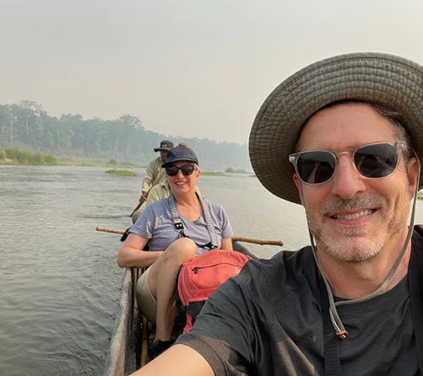
Destination
NepalDifficulty
Easy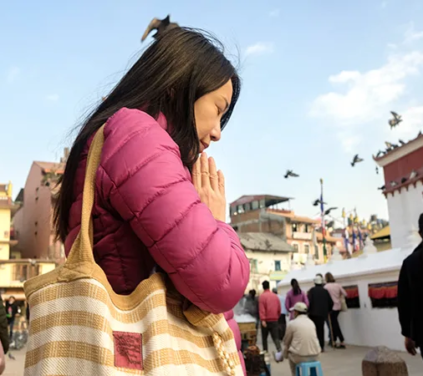
Destination
Kathmandu and PokharaDifficulty
Easy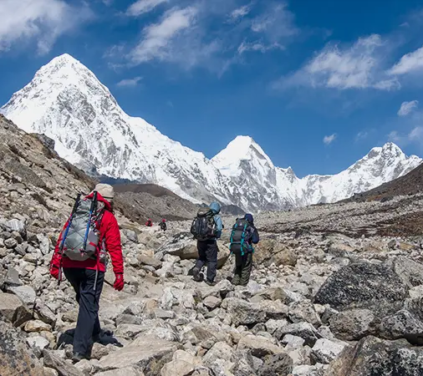
Destination
Everest Three Passes TrekDifficulty
Very Strenous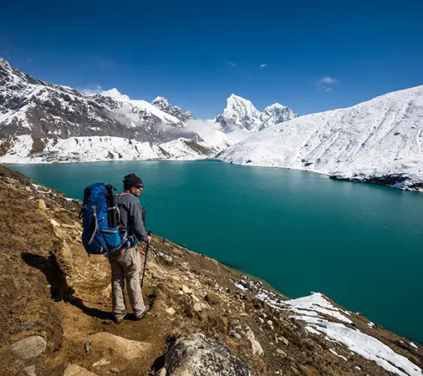
Destination
Difficulty
strenuous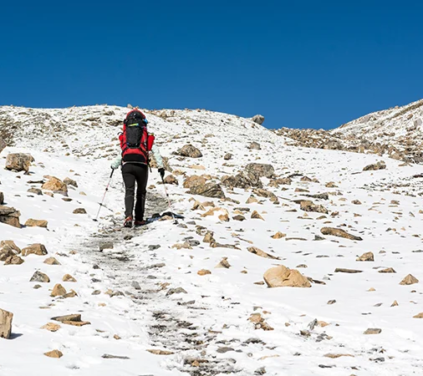
Destination
NepalDifficulty
Challenging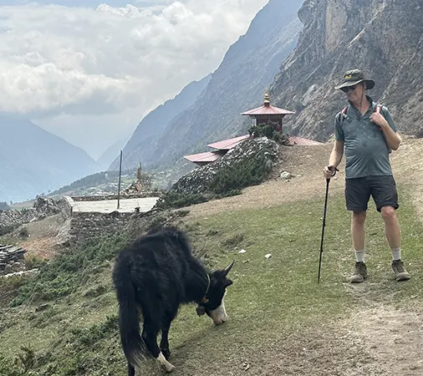
Destination
NepalDifficulty
Destination
Everest Base CampDifficulty
Easy to Moderate
Destination
NepalDifficulty
Easy
Destination
NepalDifficulty
Easy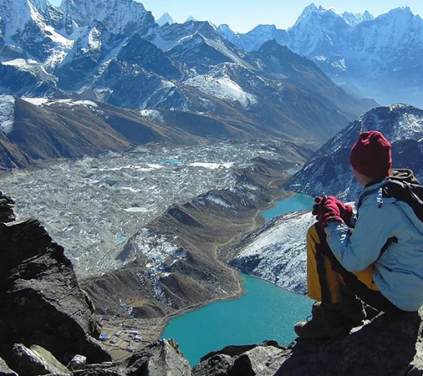
Destination
Gokyo Ri summitDifficulty
Moderate-Adventure
Destination
India Bhutan NepalDifficulty
Easy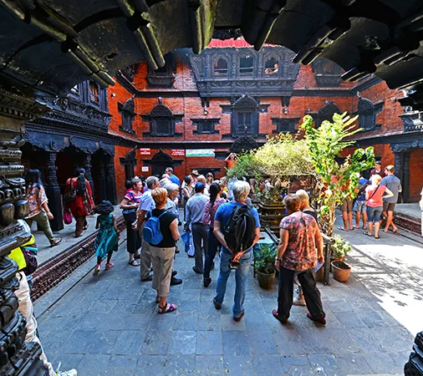
Destination
Nepal and IndiaDifficulty
Easy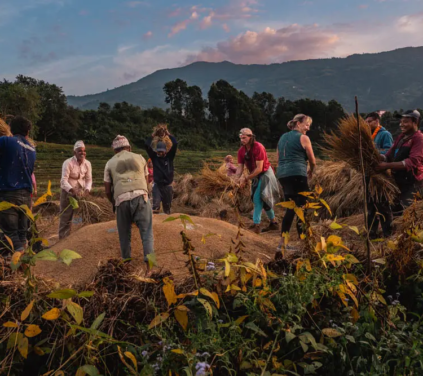
Destination
NepalDifficulty
Easy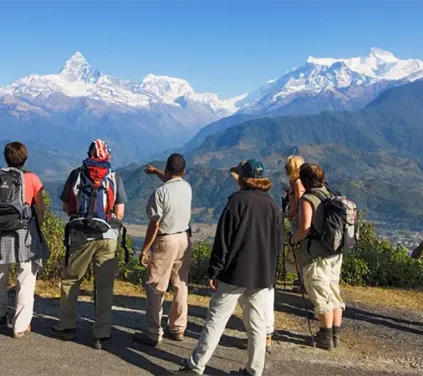
Destination
NepalDifficulty
Easy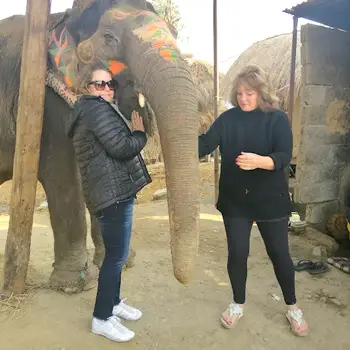
Destination
NepalDifficulty
Easy
Destination
NepalDifficulty
Easy
Destination
NepalDifficulty
Easy
Destination
Nepal & BhutanDifficulty
Easy
Destination
Nepal and BhutanDifficulty
Easy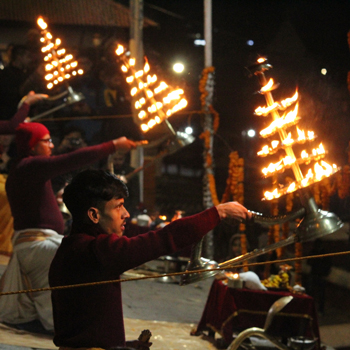
Destination
NepalDifficulty
Easy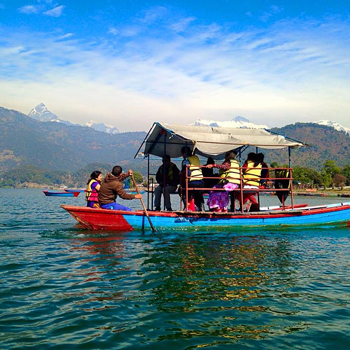
Destination
NepalDifficulty
Easy
Destination
NepalDifficulty
Easy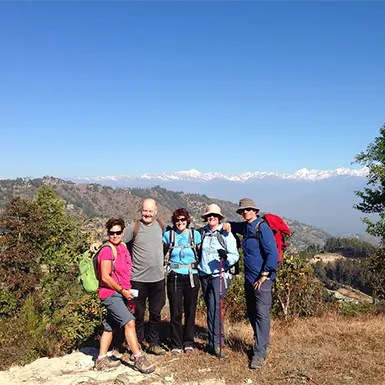
Destination
Nepal and BhutanDifficulty
Moderate
Destination
Nepal, Tibet, and BhutanDifficulty
Easy
Destination
NepalDifficulty
Easy
Destination
Nepal and BhutanDifficulty
Easy
Destination
Nepal and BhutanDifficulty
Easy
Destination
NepalDifficulty
Easy
Destination
NepalDifficulty
Easy
Destination
EverestDifficulty
Easy
Destination
Nepal and TibetDifficulty
Moderate
Destination
Nepal and TibetDifficulty
Moderate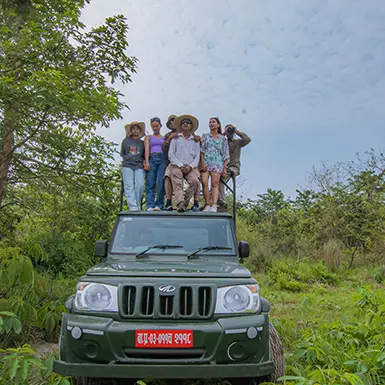
Destination
NepalDifficulty
Easy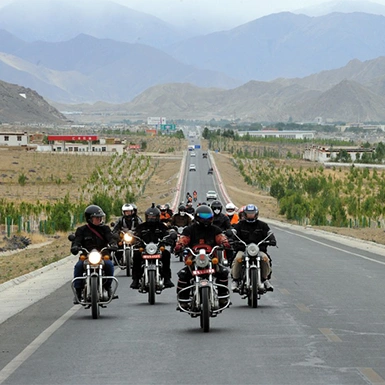
Destination
Nepal and TibetDifficulty
Moderate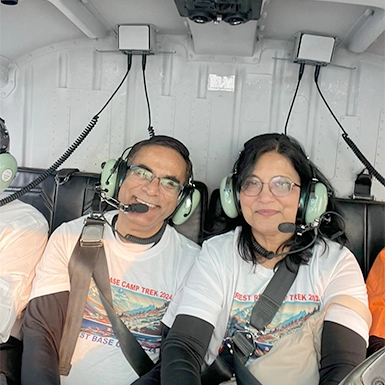
Destination
NepalDifficulty
Easy
Destination
NepalDifficulty
Tough
Destination
NepalDifficulty
Tough
Destination
NepalDifficulty
Tough
Destination
NepalDifficulty
Difficlut
Destination
NepalDifficulty
Difficlut
Destination
NepalDifficulty
Difficlut
Destination
NepalDifficulty
Difficlut
Destination
NepalDifficulty
Difficlut
Destination
NepalDifficulty
Tough
Destination
NepalDifficulty
Difficlut
Destination
NepalDifficulty
Tough
Destination
NepalDifficulty
Difficlut
Destination
NepalDifficulty
Tough
Destination
NepalDifficulty
Difficlut
Destination
NepalDifficulty
Tough
Destination
NepalDifficulty
Difficult
Destination
NepalDifficulty
Difficult
Destination
NepalDifficulty
Difficult
Destination
NepalDifficulty
Difficlut
Destination
NepalDifficulty
Tough
Destination
NepalDifficulty
Tough
Destination
NepalDifficulty
Tough
Destination
NepalDifficulty
Tough
Destination
NepalDifficulty
Tough
Destination
NepalDifficulty
Tough
Destination
NepalDifficulty
Difficlut
Destination
NepalDifficulty
Difficlut
Destination
NepalDifficulty
Difficlut
Destination
NepalDifficulty
Difficult
Destination
NepalDifficulty
Difficlut
Destination
NepalDifficulty
Difficlut
Destination
NepalDifficulty
Tough
Destination
NepalDifficulty
Tough
Destination
NepalDifficulty
Difficult
Destination
NepalDifficulty
Difficlut
Destination
NepalDifficulty
Difficlut
Destination
NepalDifficulty
Difficlut
Destination
NepalDifficulty
Difficlut
Destination
NepalDifficulty
Tough
Destination
NepalDifficulty
Tough
Destination
NepalDifficulty
Tough
Destination
NepalDifficulty
Tough
Destination
NepalDifficulty
Tough
Destination
NepalDifficulty
Tough
Destination
NepalDifficulty
Easy
Destination
Nepal & TibetDifficulty
Moderate
Destination
NepalDifficulty
Tough
Destination
NepalDifficulty
Tough
Destination
NepalDifficulty
Tough
Destination
NepalDifficulty
Tough
Destination
NepalDifficulty
Tough
Destination
NepalDifficulty
Moderate
Destination
NepalDifficulty
Moderate
Destination
NepalDifficulty
Tough
Destination
NepalDifficulty
Moderate
Destination
NepalDifficulty
Moderate
Destination
NepalDifficulty
Tough
Destination
NepalDifficulty
Tough
Destination
NepalDifficulty
Tough
Destination
NepalDifficulty
Tough
Destination
Nepal Tibet BhutanDifficulty
Easy
Destination
TibetDifficulty
Moderate
Destination
NepalDifficulty
Moderate
Destination
NepalDifficulty
Easy
Destination
NepalDifficulty
Difficult
Destination
NepalDifficulty
Difficult
Destination
NepalDifficulty
Easy
Destination
KathmanduDifficulty
Easy
Destination
NepalDifficulty
Difficlut
Destination
NepalDifficulty
Moderate
Destination
NepalDifficulty
Easy
Destination
NepalDifficulty
Moderate
Destination
NepalDifficulty
Moderate
Destination
NepalDifficulty
Easy
Destination
NepalDifficulty
Moderate to Challenging
Destination
NepalDifficulty
Moderate
Destination
NepalDifficulty
Moderate
Destination
Langtang Region of NepalDifficulty
Moderate
Destination
NepalDifficulty
Moderate
Destination
NepalDifficulty
Moderate
Destination
Nepal and BhutanDifficulty
Moderate
Destination
Nepal and BhutanDifficulty
Moderate
Destination
NepalDifficulty
Moderate
Destination
NepalDifficulty
Easy
Destination
NepalDifficulty
Moderate
Destination
NepalDifficulty
Easy
Destination
NepalDifficulty
Moderate
Destination
NepalDifficulty
Difficult
Destination
NepalDifficulty
Difficult
Destination
NepalDifficulty
Difficult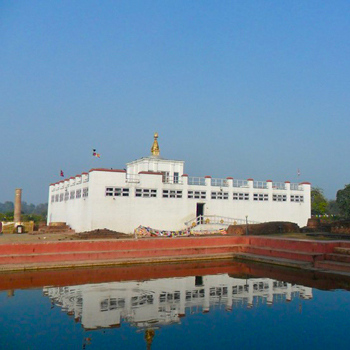
Destination
NepalDifficulty
Easy
Destination
NepalDifficulty
Moderate
Destination
NepalDifficulty
Easy
Destination
NepalDifficulty
Moderate
Destination
NepalDifficulty
Easy
Destination
NepalDifficulty
Easy
Destination
NepalDifficulty
Moderate
Destination
NepalDifficulty
Difficult
Destination
NepalDifficulty
Moderate
Destination
NepalDifficulty
Moderate
Destination
NepalDifficulty
Difficult
Destination
NepalDifficulty
Easy
Destination
Difficulty
Destination
NepalDifficulty
Difficult
Destination
NepalDifficulty
Difficult
Destination
NepalDifficulty
Easy
Destination
NepalDifficulty
Easy
Destination
Nepal & TibetDifficulty
Difficult
Destination
NepalDifficulty
Difficult
Destination
NepalDifficulty
Difficult
Destination
NepalDifficulty
Tough
Destination
NepalDifficulty
Moderate
Destination
NepalDifficulty
Moderate
Destination
NepalDifficulty
Moderate
Destination
19 DaysDifficulty
Moderate
Destination
NepalDifficulty
Moderate
Destination
NepalDifficulty
Moderate
Destination
NepalDifficulty
Moderate
Destination
NepalDifficulty
Moderate
Destination
NepalDifficulty
Moderate
Destination
NepalDifficulty
Moderate
Destination
NepalDifficulty
Moderate
Destination
NepalDifficulty
Moderate
Destination
NepalDifficulty
Moderate
Destination
NepalDifficulty
Easy
Destination
NepalDifficulty
Moderate
Destination
NepalDifficulty
Difficult
Destination
NepalDifficulty
Easy
Destination
NepalDifficulty
Moderate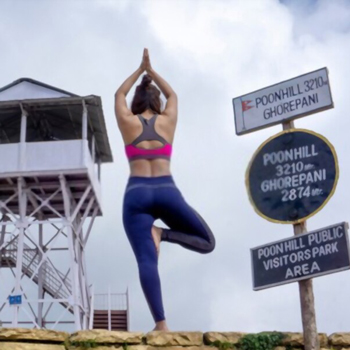
Destination
NepalDifficulty
Easy
Destination
NepalDifficulty
Difficult
Destination
NepalDifficulty
Difficult
Destination
NepalDifficulty
Easy
Destination
NepalDifficulty
Easy
Destination
NepalDifficulty
Difficult
Destination
NepalDifficulty
Moderate
Destination
NepalDifficulty
Easy
Destination
NepalDifficulty
Easy
Destination
NepalDifficulty
Moderate
Destination
NepalDifficulty
Tough
Destination
NepalDifficulty
Easy
Destination
NepalDifficulty
Challenging
Destination
NepalDifficulty
ModerateNepal Package Travel Information
Quick Answer
Nepal sits between India and China and is home to eight of the world’s ten highest peaks. The country offers world-class trekking, rich Hindu and Buddhist culture, wildlife safaris in Chitwan, and the sacred birthplace of the Buddha at Lumbini. This Nepal Package covers the top places, treks, seasons, costs, permits, and practical tips. Friendly local service and strong travel value round out the appeal.
Nepal packs more variety into a small country than almost any other place in Asia. You get high mountains, ancient temples, lowland jungles, and busy cities — all within a few hours of each other. Trekkers, families, culture lovers, and luxury travelers all find a Nepal package that fits their style.
Around one million tourists visit Nepal each year. Most arrive through Kathmandu’s Tribhuvan International Airport. From there, top sites and trekking routes lie within easy reach. Smart planning keeps the trip smooth. Read on for the top places, treks, seasons, permits, costs, and practical tips for picking the right Nepal package.
Where Is Nepal?
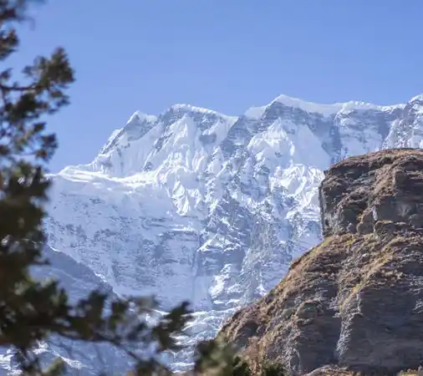
Nepal sits in South Asia between India and China. India wraps around three sides — south, east, and west. China’s Tibet region borders Nepal to the north. The country measures roughly 800 km east to west and 200 km north to south. Land rises sharply from the Terai plains in the south to the Himalayan peaks along the northern border. Eight of the world’s 14 8,000-meter peaks are in Nepal, including Mount Everest at 8,849 meters. The capital, Kathmandu, lies in a wide valley at an elevation of 1,400 meters. Nepal has three main geographic zones: the Terai lowlands, the middle hills, and the high mountains. Each zone offers a different travel experience.
Why Visit Nepal?
Nepal rewards every type of traveler. The country offers a strong mix of experiences in one trip. Mountain views top the list for most visitors. Eight 8,000-meter peaks rise within Nepal’s borders. The trekking routes through the Khumbu, Annapurna, and Langtang regions offer close access to the mountains.
Cultural heritage adds depth. The Kathmandu Valley alone holds seven UNESCO World Heritage Sites. Wildlife parks at Chitwan and Bardia let you see one-horned rhinos, Bengal tigers, and wild elephants. Pilgrimage sites add another reason to visit. Lumbini, the birthplace of Buddha, draws visitors from across the world. Pashupatinath and Muktinath rank among the most sacred Hindu sites in South Asia.
Local food, friendly people, and good value round out the picture. A mid-range Nepal trip costs less than the same trip in most other Asian countries. Luxury hotels, private tours, and helicopter options exist for travelers who want more comfort.
Types of Nepal Packages
A Nepal package comes in many styles. The right pick depends on your interests, fitness, and budget. The table below covers the main types.
| Package Type | Best For | Typical Duration | What’s Included |
|---|---|---|---|
| Trekking Package | Active travelers, mountain lovers | 5–18 days | Guide, porter, permits, teahouse stays, meals on trek |
| Cultural Tour Package | Heritage and history travelers | 5–10 days | Private vehicle, guide, hotels, site entries |
| Wildlife Safari Package | Nature lovers, families | 2–4 days | Jungle resort, jeep safari, canoe, bird walks |
| Luxury Nepal Package | Premium travelers | 7–14 days | 5-star hotels, private guide, helicopter options, spa |
| Family Nepal Package | Travelers with children | 7–12 days | Easy pace, child-safe activities, private vehicles |
| Pilgrimage Package | Spiritual travelers | 5–14 days | Temple visits, licensed guide, hotels, transfers |
| Group Tour Package | Solo and budget travelers | 7–14 days | Shared trip, fixed dates, lower per-person cost |
| Custom Private Package | Travelers who want full control | Flexible | Tailored route, dates, hotels, and pace |
Scroll left or right to view the full table.
A custom Nepal package combines two or more of these styles. A trekking-plus-wildlife trip, for example, links the Annapurna Base Camp Trek with a Chitwan jungle stay. Mix-and-match planning works well with a local agency.
Best Places to Visit in Nepal
The table below covers the top travel spots for a Nepal trip. Mix and match based on your time and interests.
| Place | Best For | Main Highlights | Suggested Duration |
|---|---|---|---|
| Kathmandu | Culture, history | Durbar Square, Pashupatinath, Boudhanath, Swayambhunath, Patan, Bhaktapur | 2–3 days |
| Pokhara | Lakes, mountain views | Phewa Lake, Sarangkot sunrise, Peace Pagoda, gateway to Annapurna treks | 2–3 days |
| Chitwan | Wildlife safari | One-horned rhinos, Bengal tigers, jeep safari, Tharu culture, bird watching | 2 nights |
| Lumbini | Pilgrimage, peace | Buddha’s birthplace, Maya Devi Temple, Ashoka Pillar, monastery zone | 1–2 days |
| Nagarkot | Sunrise views | Himalayan sunrise viewpoint, easy day trip from Kathmandu, short hikes | 1 night |
| Bandipur | Hill town charm | Newari architecture, mountain views, quiet lanes, day hikes | 1–2 days |
| Everest Region | High-altitude trekking | Everest Base Camp, Kalapatthar, Sherpa culture, Tengboche Monastery | 12–16 days |
| Annapurna Region | Trekking, variety | Annapurna Base Camp, Annapurna Circuit, Ghorepani Poon Hill, Mardi Himal | 5–18 days |
| Langtang Region | Quieter trekking | Langtang Valley, Gosainkunda lakes, Helambu, easy access from Kathmandu | 7–10 days |
| Mustang | Desert culture, rain shadow | Upper Mustang restricted area, Muktinath, dry trails, Tibetan culture | 10–14 days |
Scroll left or right to view the full table.
Kathmandu Valley
Kathmandu Valley packs more cultural depth per square kilometer than almost anywhere in Asia. The valley holds seven UNESCO World Heritage Sites within a 30-kilometer radius. Kathmandu Durbar Square sits at the historic heart of the old city. Wooden temples, royal palaces, and the Kumari Ghar — home of the living goddess — fill the square. Pashupatinath Temple ranks as Nepal’s most sacred Hindu site. The temple sits along the Bagmati River. Evening aarti ceremonies draw crowds of pilgrims and visitors.
Boudhanath Stupa, one of the world’s largest Buddhist stupas, anchors the Tibetan Buddhist community in Kathmandu. Walk a clockwise circle around the base in the late afternoon for the best feel. Swayambhunath, often called the Monkey Temple, sits on a hill above the city. The climb gives a fine view of the valley. Patan and Bhaktapur each have their own Durbar Squares. Both feel quieter and more preserved than central Kathmandu. Local markets in Thamel and Asan offer crafts, prayer flags, and warm clothing for trekkers. A guided cultural tour of Kathmandu suits most travelers.
Pokhara
Pokhara serves as Nepal’s main gateway to the Annapurna trekking region. The city sits at 822 meters next to a calm lake with mountain views in the background. Phewa Lake forms the heart of the lakeside tourist area. Take a small boat across the water at sunrise for the best photos. The Peace Pagoda stands on a forested hill across the lake. Sarangkot, a hilltop just outside Pokhara, offers the best sunrise views of the mountains in central Nepal. The Annapurna and Dhaulagiri ranges glow gold at first light.
Lakeside hotels run from budget guesthouses to five-star resorts. Most have lake or mountain views. Restaurants along the lake serve Nepali, Indian, and Western food. Soft adventure activities — paragliding, zip-lining, and short hikes — suit travelers of all ages. Most need just half a day. Pokhara also serves as the starting point for the Annapurna Base Camp Trek and the Ghorepani Poon Hill Trek.
Chitwan National Park
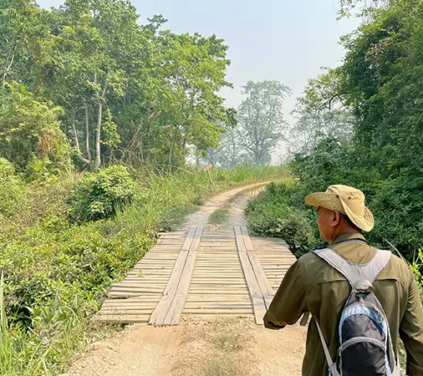
Chitwan National Park sits in Nepal’s southern Terai plains. The park covers around 950 square kilometers of jungle, grassland, and rivers. Wildlife safaris run by jeep and on foot with trained park rangers. Most visitors come to see one-horned rhinos. Bengal tigers also live in the park, though sightings remain rare. Jungle activities include canoe trips on the Rapti River, bird watching, and visits to elephant breeding centers. The Tharu people, original residents of the Terai, share their culture through music and dance shows.
Bird watching draws visitors year-round. The park hosts over 540 bird species. Chitwan suits families and first-time Asia travelers well. The activities run at an easy pace. The best season runs from October to March. Cooler weather, lower grass, and clear skies make wildlife sightings easier. June to September gets hot and humid.
Lumbini
Lumbini, the birthplace of Lord Buddha, sits in Nepal’s southern plains near the Indian border. The UNESCO World Heritage Site draws pilgrims from across the world. The Sacred Garden marks the exact birth spot. The Maya Devi Temple holds the marker stone and ancient ruins. The Ashoka Pillar, built around 250 BCE, confirms the site as the birthplace of the Buddha.
Monasteries from many countries — Japan, Myanmar, Korea, Thailand, China, and others — fill the wider Lumbini area. Each follows the architecture of its home country. A walking or cycling tour of the monastery zone makes for a peaceful half-day. Lumbini suits pilgrims, history lovers, and travelers who want a peaceful break from city sightseeing. Most visitors stay one or two nights.
Best Trekking Routes in Nepal
The table below covers the top trekking routes in Nepal. A trekking package builds around one of these routes.
| Trek | Duration | Difficulty | Best Season | Best For |
|---|---|---|---|---|
| Everest Base Camp Trek | 12–14 days | Strenuous | Mar–May, Sep–Nov | Classic high-altitude trek |
| Annapurna Base Camp Trek | 7–10 days | Moderate | Mar–May, Oct–Dec | Mountain views, varied scenery |
| Annapurna Circuit Trek | 12–18 days | Strenuous | Mar–May, Oct–Nov | Long classic route, Thorong La pass |
| Langtang Valley Trek | 7–10 days | Moderate | Mar–May, Oct–Nov | Quieter route close to Kathmandu |
| Manaslu Circuit Trek | 14–16 days | Strenuous | Mar–May, Oct–Nov | Restricted area, fewer trekkers |
| Ghorepani Poon Hill Trek | 4–5 days | Easy | All seasons except monsoon | Short trek, sunrise views |
| Mardi Himal Trek | 5–7 days | Easy–Moderate | Mar–May, Oct–Dec | Quiet, off-the-beaten-path option |
| Upper Mustang Trek | 12–14 days | Moderate–Strenuous | Mar–Nov, including monsoon | Tibetan culture, rain shadow trek |
| Gokyo Lakes Trek | 12–14 days | Strenuous | Mar–May, Oct–Nov | Lakes, Everest views from Gokyo Ri |
| Helambu Trek | 5–7 days | Easy | Mar–May, Oct–Dec | Short trek near Kathmandu |
Scroll left or right to view the full table.
Nepal Trekking for Beginners
Beginners enjoy strong trekking options in Nepal with the right route choice. You do not need previous experience for many short treks. The Ghorepani Poon Hill Trek runs about 4–5 days. The trail passes through Gurung villages with sunrise views of the mountains. The Mardi Himal Trek, lasting 5–7 days, offers a quieter, beginner-friendly alternative.
Fitness needs stay moderate. Daily walking runs 4–6 hours on most beginner routes. Steady pacing matters more than speed. A licensed guide helps with route finding, permits, and altitude advice. Local porters carry the heavy load. You walk with a small day pack.
Packing basics include good walking shoes, layered clothing, a light rain jacket, and a refillable water bottle. Most teahouses provide bedding. Altitude awareness matters even on beginner routes. Walk slowly, drink water, and tell your guide if you feel unwell.
Nepal Trekking for Experienced Hikers
Experienced trekkers find world-class high-altitude routes in Nepal. The Everest Base Camp Trek, Annapurna Circuit, and Manaslu Circuit cover wild high country. High-altitude routes cross passes above 5,000 meters. The Everest Three Passes Trek and Annapurna Circuit reach 5,416 meters at Thorong La Pass.
Restricted areas such as Upper Mustang, Upper Dolpo, and Manaslu require special permits. Group size and route plans get tighter. Long trekking days run 6–8 hours, sometimes more. Trail conditions include scree, snow, and exposed ridges. Strong fitness pays off.
Permits cost from NPR 3,000 for standard parks to USD 500 for ten days in Upper Mustang or Upper Dolpo. A registered Nepal trekking agency handles all paperwork. Travel insurance with high-altitude rescue cover remains essential. Many policies cap coverage at 4,000 or 5,000 meters. Check the limit before you book. A guide-and-porter team improves safety on remote routes. Local knowledge solves trail and weather problems quickly.
Cultural Tours in Nepal
Nepal cultural tours suit travelers who want temples, art, food, and daily life rather than hard physical activity. Tours run from short half-day visits to two-week deep stays. The Kathmandu Valley tour covers seven UNESCO World Heritage Sites. Most travelers spend 3–4 days in the valley.
Pokhara adds a lake and mountain element. The 2–3 day stay covers Phewa Lake, the Peace Pagoda, and a Sarangkot sunrise. A Chitwan add-on brings wildlife into the mix. Two nights’ work well — one full day in the park, plus arrival and departure travel.
Lumbini adds the Buddhist pilgrimage layer. One or two nights cover the Sacred Garden and the international monastery zone. Festival travel adds energy. Dashain (September–October), Tihar (October–November), and Indra Jatra (August–September) bring color and crowds. Local food, market visits, and short cooking classes round out a cultural tour. A licensed guide explains the history and meaning behind each site.
Luxury Travel in Nepal
Nepal has strong luxury travel options. The country mixes premium hotels with rustic mountain settings for a unique high-end trip. Five-star hotels in Kathmandu include international brands and luxury heritage hotels in restored palace properties. Pokhara has lakeside resorts with full spa facilities.
Private vehicles with English-speaking drivers handle all road travel. Expert local guides offer deep historical and cultural background. Helicopter tours offer the fastest access to the mountains. The Everest Base Camp helicopter day tour covers a 12-day trek in five hours. Annapurna helicopter tours work well, too.
Luxury trekking uses upgraded lodges along the Everest and Annapurna trails. Heated rooms, en-suite bathrooms, and gourmet meals replace basic teahouse stays. Wellness and spa stays at lakeside Pokhara hotels suit travelers who pair sightseeing with relaxation. Fine dining works well in Kathmandu and Pokhara. Private itinerary planning matches every detail to the traveler’s pace, budget, and interests.
Family Travel in Nepal
Nepal works well for family travel with the right plan. Pacing, transport, and hotel choice matter more than the route. Top family places include Kathmandu Valley, Pokhara, and Chitwan. Lumbini suits older children and teens with an interest in history. Short hikes around Pokhara (Peace Pagoda, Sarangkot) or in the Kathmandu Valley (Nagarkot, Shivapuri) work for kids over six. Most last 2–3 hours.
Wildlife tours in Chitwan suit families well. Jeep safaris, canoe trips, and the elephant breeding center keep kids engaged. The pace stays gentle. Easy cultural tours work better than long temple visits. Mix short site stops with markets, food breaks, and parks. Safe transport means private vehicles for kids. Tourist buses suit adults but get long and bumpy for children.
Child-friendly pacing means shorter days and more rest stops. Add a buffer day every three travel days. Pick family-friendly hotels with pools, gardens, and clean en-suite bathrooms.
Best Time to Visit Nepal
The table below covers Nepal’s four travel seasons. Each season suits different trip types.
| Season | Months | Weather | Best Activities | Travel Notes |
|---|---|---|---|---|
| Spring | Mar–May | Mild, clear skies, blooming rhododendrons | Trekking, cultural tours, wildlife | Most popular season for treks; book early |
| Summer / Monsoon | Jun–early Sep | Hot, humid, daily rain | Rain shadow treks, Kathmandu Valley tours | Main trekking routes get wet; flight delays are common |
| Autumn | Sep–Nov | Clear skies, mild temperatures, dry trails | All treks, all tours, wildlife safaris | Peak season; book hotels and flights early |
| Winter | Dec–Feb | Cold at altitude, mild in lowlands, dry | Low-altitude treks, Chitwan, Pokhara, cultural tours | High passes may close due to snow |
Scroll left or right to view the full table.
Nepal Weather by Region
The weather changes a lot across Nepal because of the wide altitude range. A single day can cover three climate zones. Kathmandu Valley sits at 1,400 m and stays mild year-round. Summer highs reach 30°C. Winter nights drop to 3°C but rarely freeze. Pokhara, at 822 m, sits a bit warmer than Kathmandu. The lake area gets more rain during the monsoon. Winters stay mild.
Chitwan, at 150m, has hot, humid summers and warm winters. The best season runs from October to March. The Everest Region trekking trails range from 2,800 m at Lukla to 5,545 m at Kalapatthar. Daytime in October feels pleasant. Night temperatures at high camps drop well below zero. Annapurna Region routes cover similar altitude ranges. Southern trails get more rain during the monsoon. The northern Mustang district stays dry.
Mustang sits in the Himalayan rain shadow. Trails stay dry even during the monsoon. The region works year-round, except in deep winter. The Terai lowlands stay hot. Summer highs hit 40°C. Winter feels mild and dry — the best season for visits to Chitwan and Lumbini.
Nepal Visa and Entry Tips
Nepal offers tourist visas on arrival at Tribhuvan International Airport. Most travelers get the visa within 30 minutes. Tourist visa options come in three lengths: 15 days for USD 30, 30 days for USD 50, and 90 days for USD 125. Pay in US dollars, euros, or other major currencies. Passport validity matters. Carry a passport with at least six months remaining from your arrival date.
The arrival process runs in steps. Fill the visa form on the computer kiosks. Pay at the cash counter. Take the receipt to the visa stamp counter. Bring one or two passport-size photos as a backup. The kiosks include a webcam, but a paper photo speeds the process. Cash works best for the visa fee. Card payment options exist, but lines run longer. Plan the visa step before travel if you fly during a busy time slot. Indian nationals do not need a tourist visa for Nepal. A passport, voter ID card, or Aadhar card works as a travel ID at the border.
Permits for Trekking in Nepal
Every trekker in Nepal needs at least one permit, sometimes more. The exact permit set depends on the route. An organized trekking trip usually includes all required permits in the price.
National park permits cover the Everest region (Sagarmatha National Park) and the Langtang region (Langtang National Park). Each costs NPR 3,000 per person plus 13% VAT. Conservation area permits cover the Annapurna Conservation Area Project (ACAP) and the Manaslu Conservation Area Project (MCAP). Each costs NPR 3,000 per person. Restricted area permits apply to Upper Mustang, Upper Dolpo, Manaslu, Tsum Valley, and Nar Phu. Costs run from USD 100 to USD 500 for the first ten days.
The TIMS card (Trekkers’ Information Management System) covers free trekking areas. It costs NPR 2,000 per person. Permits depend on the route because each region has different rules. Restricted areas need a guide and a minimum group size of two. A registered Nepal trekking agency handles all paperwork. The process takes one full working day. Going through an agency saves time and avoids errors at trail checkpoints.
Transportation in Nepal
Nepal offers several ways to get around. The best choice depends on time, budget, and group size. Private cars with drivers offer the most flexible road option. Cost runs USD 80–150 per day for a mid-size SUV. Best for families and small groups.
Tourist buses connect Kathmandu, Pokhara, and Chitwan. Tickets cost USD 10–20. Trips take 6–8 hours each way. Comfortable for budget travelers. Domestic flights save time on long road trips. Kathmandu to Pokhara takes 25 minutes by air, 6–8 hours by road. Tickets cost USD 100–150 one-way.
Helicopter options exist for mountain access and emergency rescue. Helicopters fly to Lukla, Everest Base Camp, Annapurna Base Camp, and Upper Mustang. Jeep transfers handle off-road sections. Common routes include Pokhara to Jomsom (12 hours) and Kathmandu to Salleri for Everest treks (8–10 hours). Road conditions vary. Main highways have improved. Mountain roads stay rough and slow.
Flight delays happen often at Lukla and other mountain airports. Build a buffer day or two into any plan with mountain flights. The best transport mix depends on the trip type. Use private cars for cultural tours. Mix flights and jeeps for long trekking trips.
Accommodation in Nepal
Nepal has accommodation options for every budget and style. Tourist-standard hotels (3-star equivalent) cost USD 30–60 per night. Most sit in Kathmandu’s Thamel area and Pokhara’s lakeside. Rooms include private bathrooms, hot showers, Wi-Fi, and breakfast. Luxury hotels cost USD 150–500 per night. Top options include international brands in Kathmandu and resort properties in Pokhara. Heritage hotels offer restored Newari mansions.
Teahouses serve trekking routes. Rooms cost USD 5–15 per night. Most have twin beds with shared bathrooms. Hot showers cost extra. Meals come from a fixed menu. Trekking lodges on luxury routes (Everest Comfort Trek, Luxury Annapurna routes) cost USD 100–300 per night. Heated rooms, attached bathrooms, and full menus replace basic teahouse stays.
Jungle resorts in Chitwan and Bardia cost USD 60–300 per night. Most include meals and park activities. Family-friendly hotels in Kathmandu and Pokhara have pools, gardens, and larger rooms. Pick these for trips with kids. Travelers should expect occasional power cuts, hot water that depends on the system, and variable Wi-Fi quality. Top hotels stay reliable.
Food and Drinking Water in Nepal
Nepali food centers on dal bhat — lentil soup, rice, and curry. Most travelers eat dal bhat at least once a day on a trek. Momo, the Nepali dumpling, comes steamed or fried. Fillings include vegetables, chicken, water buffalo (buff), or paneer. Tea, called chiya in Nepali, comes with milk and sugar. Masala chai with spices works as the local afternoon drink.
Vegetarian options run wide. Dal bhat itself is vegetarian. Most restaurants offer separate vegetarian menus. Safe drinking water matters. Never drink tap water. Bottled water works but creates plastic waste. Filtered water from refill stations or a personal filter saves money and reduces plastic waste.
Food safety tips: eat at busy restaurants, avoid raw salads in cheap places, and stick to peeled fruit on treks. Cooked food from teahouses stays safe. Trekking meals run from porridge or eggs for breakfast to pasta, rice dishes, or dal bhat for dinner. Most teahouses offer a fixed menu set by the local lodge committee. International food works in Kathmandu and Pokhara. You can easily find Italian, Indian, Thai, Chinese, and Western options.
Nepal Package Costs
Nepal package costs depend on several factors. Pick the right mix for your style and budget. Hotel-level costs are the biggest cost factor. Budget hotels run USD 20–40 per night. Mid-range options cost USD 50–100. Five-star hotels start at USD 200. Transport type matters too. Tourist buses cost USD 10–20 per route. Private cars run USD 80–150 per day. Domestic flights cost USD 100–150 per leg.
Guide service costs USD 25–40 per day for trekking. Cultural tour guides cost USD 50–80 per day. Tips on top of the daily rate stay standard practice. Trek permits range from NPR 3,000 (USD 22) for standard areas to USD 500 for restricted area permits. Trek duration drives food, lodging, and porter costs. A 12-day trek costs more than a 5-day trek.
Domestic flights add USD 100–180 per leg. Lukla flights cost more than flights to Pokhara. A private tour costs more than a group tour. Privacy, custom pacing, and route flexibility add value. Luxury upgrades — heritage hotels, helicopter tours, private chefs on trek — multiply the base cost. Group size matters too. Costs per person drop with larger groups.
Safety Tips for Nepal Travel
Nepal stays safe for most travelers. Follow these tips for a smooth trip.
- Use licensed guides on all trekking routes — they know trails, weather signs, and altitude rules.
- Check the weather daily before each trekking day.
- Plan altitude acclimatization days into every high trek — climb high, sleep low.
- Carry travel insurance with helicopter rescue cover up to the highest point along your route.
- Drink only safe water — use a filter, purification tablets, or bottled water.
- Keep copies of your passport, visa, and travel insurance — one set with you, one set by email.
- Use safe transport options — avoid overcrowded local buses on mountain roads.
- Follow local advice from your guide and hotel staff.
- Keep flexible plans — weather, road conditions, and flight delays often change Nepal trips.
- Carry a basic first-aid kit and any personal medication.
- Avoid trekking alone on remote routes — a group size of two or more is safer.
Responsible Travel in Nepal
Travel choices matter for Nepal’s people, culture, and environment. Respect local culture. Nepal mixes Hindu, Buddhist, and other traditions. Show care at temples, monasteries, and prayer flag sites. Dress modestly at sacred sites. Cover shoulders and knees. Remove shoes before entering temples.
Ask before taking close-up photos of people. Most Nepalis say yes, but a polite request shows respect. Reduce plastic waste. Carry a reusable water bottle. Pokhara, Kathmandu, and most trekking lodges have refill stations.
Support local businesses. Eat at family-run restaurants. Buy crafts from local artisans. Choose home stays where they fit your travel style. Respect wildlife. Keep a safe distance in Chitwan and Bardia. Do not feed monkeys at Swayambhunath or Pashupatinath. Stay on marked trails. Off-trail walking damages plants and disturbs wildlife. Choose tour operators that pay guides and porters fairly.
Who Should Visit Nepal?
Nepal welcomes a wide range of travelers. The country fits many trip styles. Trekkers find world-class routes at every level. Beginners get the Ghorepani Poon Hill Trek. Experts get the Everest Three Passes Trek and Upper Dolpo. Culture lovers find seven UNESCO sites in one valley. Festivals, art, and daily rituals add depth.
Wildlife travelers see rhinos, tigers, and elephants in Chitwan and Bardia. Luxury travelers find five-star hotels, helicopter tours, and upgraded trekking lodges. Families find safe transport, easy cultural tours, and child-friendly wildlife trips. Pokhara and Chitwan suit families especially well.
Pilgrims visit Pashupatinath, Lumbini, Muktinath, and Gosainkunda. Each draws Hindu or Buddhist pilgrims from across Asia. Photographers find mountain light, festival color, and street scenes in equal measure. Adventure travelers add paragliding, white-water rafting, bungee jumping, and zip-lining to their trip.
First-time Asia travelers find Nepal easy enough for a first visit. English works at hotels, restaurants, and tour offices.
Who Should Plan Carefully Before Visiting Nepal?
Some travelers need extra planning before a Nepal trip. Travelers with tight schedules face risk from flight delays. Lukla and other mountain airports often cancel flights. Build 2–3 buffer days. Guests with altitude concerns should pick lower-altitude trips. People with heart, lung, or blood pressure conditions need a doctor’s clearance for treks above 3,000 meters.
Travelers visiting during the monsoon (June to September) need rain-shadow routes. Lower elevations get heavy rain. Roads close after landslides. Families with small children should pick easier trips. Cultural tours, Chitwan safaris, and Pokhara stays work well. Avoid high-altitude treks.
Senior travelers enjoy Nepal best with the right pace. Pick cultural tours, helicopter mountain tours, and lower-altitude hikes. Travelers who need luxury standards everywhere should plan around upgraded routes. Top luxury exists in Kathmandu and Pokhara. Standards drop on trekking routes outside the luxury lodge circuit. Visitors with complex multi-country plans should add buffer time. Nepal–Tibet, Nepal–Bhutan, and Nepal–India routes face border, visa, and weather variables.
Sample Nepal Package Itineraries
Sample plans help you match your time and interests. Mix and match these ideas with help from a local agency.
5-Day Kathmandu and Pokhara Tour
Two days in Kathmandu Valley, one day for travel to Pokhara, two days in Pokhara. A good pick for a quick first visit. Covers Pashupatinath, Boudhanath, Phewa Lake, and Sarangkot sunrise.
7-Day Nepal Cultural Tour
Three days in Kathmandu Valley with Bhaktapur, two days in Pokhara, one day in Nagarkot, and one day for transit. Includes Sarangkot sunrise and a deep cultural stay in Bhaktapur.
10-Day Nepal Highlights Tour
Kathmandu, Pokhara, Chitwan, and Bhaktapur. A mix of city, lake, jungle, and culture. Top fit for first-time visitors. Includes wildlife safari and lake-area stay.
12-Day Luxury Nepal Tour
Five-star hotels, private vehicles, Kathmandu, Pokhara, Chitwan, and a helicopter day to Everest Base Camp or Annapurna. Wellness and fine dining stops included.
14-Day Everest Base Camp Trek
The classic high-altitude trek. Two days each side for Kathmandu and Lukla flight buffer. The trek reaches 5,545 meters at Kalapatthar.
14-Day Annapurna Trek
Annapurna Circuit (12 trek days) plus arrival and departure days in Kathmandu and Pokhara. Reaches 5,416 meters at Thorong La Pass.
Nepal–Tibet–Bhutan Extension Idea
Add 6–8 days to your trip for Tibet (Lhasa) and 5–7 days for Bhutan. Permits and flights need 8–12 weeks of planning.
Nepal Travel Tips for First-Time Visitors
- Choose the right season for your trip type.
- Keep buffer days for flight delays and weather.
- Book trekking permits early through a registered agency.
- Pack for changing weather and altitude.
- Respect local customs at temples and homes.
- Carry cash in small notes for remote areas.
- Avoid rushed trekking plans — a slower pace is safer.
- Use a local expert for complex or first-time trips.
- Drink only filtered or bottled water.
- Tip guides, porters, and drivers fairly — it stays standard practice in Nepal.
- Bring a basic first-aid kit.
- Check vaccination needs with your doctor before travel.
- Carry a power bank for charging on remote routes.
- Learn a few Nepali words — Namaste (hello) and Dhanyabad (thank you).
Why Book Your Nepal Package with Peregrine Treks and Tours?
Peregrine Treks and Tours has worked from Kathmandu since 2002. The team knows Nepal in detail — every region, every route, every season. Local planning support starts before you arrive. The team answers questions, suggests routes, and adjusts the plan to your schedule. Trekking and tour experience runs deep. Senior guides have led groups for 10+ years on routes from Everest to Upper Mustang.
Licensed guides handle every trip. All guides hold government certification and current first-aid training. Permit help saves time. The office handles all permit applications, paperwork, and photo requirements. Private and group trips both work. Solo travelers, couples, families, and large groups all get matched route plans. Luxury tour planning fits travelers who want five-star hotels, helicopters, and upgraded trekking lodges.
Airport transfers come included with every booking. A driver meets you with a name sign at Kathmandu Airport. Transport coordination links every leg — flights, jeeps, private cars, and trail logistics — into one clear plan. Emergency support runs 24/7. The team handles weather changes, flight delays, and medical issues. Clear communication stays the team’s priority.
For questions or a custom quote, email sales@peregrinetreks.com or message us on WhatsApp at +977-9851052413.
FAQs
What is a Nepal package?
A Nepal package is a pre-arranged tour or trek that bundles permits, guide, transport, hotels, and meals into one price. Packages come in many styles — trekking, cultural, wildlife, family, luxury, pilgrimage, and custom — to fit different traveler needs and budgets.
What does a Nepal package include?
Most include airport transfers, hotel accommodation, an English-speaking guide, ground transport, permits, and breakfasts. Trekking packages add porters, teahouse stays, and all meals on the trail. Luxury packages add upgraded hotels, private vehicles, and sometimes helicopter rides.
How much does a Nepal package cost?
Mid-range options cost USD 80–150 per person per day. Budget treks start at USD 70 per day. Luxury trips run USD 300–700 per day. Restricted-area treks (Upper Mustang, Upper Dolpo) cost more because of permit fees and remote logistics.
What is the best time to visit Nepal?
The best times are October to November and March to April. Skies stay clear. Temperatures feel mild at trekking elevations. Summer (June to early September) brings monsoon rain except in Mustang and Dolpo. Winter (December to February) works for low-altitude trips but stays cold on high trails.
How many days does a Nepal package need?
A 7–10 day trip covers Kathmandu, Pokhara, and Chitwan or Lumbini. Add 5–14 days for a trek. A 14-day plan fits the classic Everest Base Camp Trek or the Annapurna Circuit, with time in the cities. Two weeks suit most first-time travelers well.
Is Nepal good for first-time travelers?
Yes. Nepal works well for first-time Asia visitors. English works at hotels, restaurants, and tour offices. The country stays safe, traveler-friendly, and easy to plan with a local agency. Standard tourist routes — Kathmandu, Pokhara, Chitwan — suit first-time travelers especially well.
What are the best treks in Nepal?
The top treks include the Everest Base Camp Trek, Annapurna Base Camp Trek, Annapurna Circuit Trek, Langtang Valley Trek, Manaslu Circuit Trek, Ghorepani Poon Hill Trek, and Mardi Himal Trek. Each fits different fitness levels, durations, and budgets.
Is Nepal safe for tourists?
Yes, Nepal is safe for tourists. Crime against travelers remains rare. Trekking carries higher risks — altitude sickness, weather, and trail conditions. Use licensed guides, carry insurance, and follow local advice for a safe trip.
Do I need a visa for Nepal?
Most nationals need a tourist visa for Nepal. You get the visa on arrival at Kathmandu’s Tribhuvan International Airport. Costs run USD 30 for 15 days, USD 50 for 30 days, and USD 125 for 90 days. Indian nationals do not need a visa.
Do I need a guide for trekking in Nepal?
Yes. The Nepal Tourism Board requires a licensed guide for all foreign trekkers on most routes since April 2023. Solo trekking without a guide is banned in most national parks and conservation areas. Every trekking trip from a registered agency includes a licensed guide.
What permits do I need for trekking?
Permit needs depend on the route. Standard treks (Everest, Annapurna, Langtang) need a national park or conservation area permit plus a TIMS card. Restricted areas (Upper Mustang, Manaslu, Dolpo) need extra permits costing USD 100–500. A registered agency includes all required permits in the price.
What should I pack for Nepal?
For cultural tours, pack lightweight layers, walking shoes, modest clothes for temples, and a power adapter. For treks, add a down jacket, layered clothing, broken-in trekking boots, a sleeping bag, a headlamp, a water bottle, sunglasses, sunscreen, and basic medicine.
Is there a good Nepal package for families?
Yes. A family trip picks easy routes, private vehicles, and family-friendly hotels. Pokhara, Chitwan, and Kathmandu Valley fit families well. Short hikes work for kids over six. Avoid high-altitude treks with young children. Most family plans run 7–12 days.
What is included in a luxury Nepal package?
A luxury trip includes five-star or heritage hotels, private vehicles with English-speaking drivers, expert guides, and optional helicopter tours. Some upgrades add wellness stays, fine dining, and luxury trekking lodges with heated rooms. Plan luxury trips at least 12 weeks ahead for the best availability.
Can I customize a Nepal package?
Yes. A custom plan builds around your dates, budget, and interests. You pick the destinations, hotel level, transport style, and trek route. A local agency designs the full plan, books all logistics, and adjusts the route to suit your pace.
How do I choose the right Nepal package?
Start with your travel dates and budget. Pick the right season. Decide between a cultural tour, trekking, wildlife, or a mix. Contact a registered Nepal agency for route, permit, and quote information. Book at least 8–12 weeks ahead. Buy travel insurance. Pack for variable weather.
How to Book
Follow these steps to book your trip with Peregrine Treks and Tours.
Step 1. Click the Book Now button on the page for your selected tour or trek.
Step 2. Fill in the required details: travel date, traveler name, number of travelers, and contact details.
Step 3. Pay the booking deposit or full amount by card.
Step 4. Note that an additional 4% bank service charge applies for card payments.
Step 5. Receive the automated booking confirmation after a successful payment.
Step 6. After payment, send your passport copy and a passport-size photograph.
Step 7. Send your flight details, including flight number, arrival time, airline name, and arrival date. You can also forward your flight ticket.
Step 8. Arrive in Kathmandu and start the trip. A driver meets you with a name sign at the airport.
For booking help, email sales@peregrinetreks.com or WhatsApp +977-9851052413.
Final Advice
Nepal suits travelers who want mountains, culture, nature, and warm local hospitality in one trip. The country offers high-altitude trekking, wildlife safaris, sacred pilgrimage sites, and ancient temples within easy reach. Pick the right season for your plans. Use a local agency for permits, guides, and transport. Build buffer days into every plan with mountain flights. The right Nepal package matches your group’s route, dates, and style. A licensed Kathmandu-based agency makes the rest easy.
Author:
Pradip Karki
Chairman, Peregrine Treks & Tours
Nepal & Himalayan Travel | 20+ Years of Industry Leadership | Kathmandu, Nepal